Daycare for Shy Children: Helping Introverts Thrive 2026
Choosing daycare for a shy or introverted child. Supporting social development, working with temperament, choosing the right environment, and helping them adjust.
Your child clings to your leg at parties, takes forever to warm up to new people, and seems perfectly happy playing alone. Now you're sending them to daycare, surrounded by children and caregivers they don't know. Will they be okay? Will daycare be overwhelming? How can you help them thrive?
Shy and introverted children can absolutely flourish in childcare—but they often need a different approach than their more outgoing peers. This guide helps you choose the right environment and support your child through the adjustment.

Understanding Shyness and Introversion
What's the Difference?
Shyness:
- Fear or anxiety about social situations
- Discomfort with new people or settings
- May want to engage but feels scared
- Can decrease with practice and support
- Often linked to anxiety
Introversion:
- Preference for calm, less stimulating environments
- Recharges through alone time
- May enjoy socializing but needs breaks
- Personality trait, not a problem
- Not the same as social anxiety
Many children are both—or neither is extreme.
Temperament Is Normal
Important to remember:
- Shyness and introversion are temperament traits
- Not disorders or problems to fix
- Vary across a spectrum
- Many successful adults are introverted
- Society needs all types
Your job isn't to:
- "Fix" your shy child
- Make them extroverted
- Push them to be different
- Eliminate their discomfort entirely
Your job is to:
- Understand their temperament
- Support them through challenges
- Help them develop coping skills
- Choose appropriate environments
- Accept who they are
How Shy Children Experience Daycare
What may be hard:
- Many children at once
- Noise and activity level
- New people
- Group activities requiring participation
- Being watched or on display
- Transitions and unpredictability
What may help:
- Consistent routine
- Same caregivers daily
- Small group options
- Quiet spaces available
- Time to warm up
- Patient, understanding adults

Choosing the Right Daycare
Environment Features
Look for:
- Smaller group sizes
- Lower noise levels
- Quiet corners or spaces
- Consistent daily routine
- Same caregivers consistently
- Respect for different temperaments
May not be ideal:
- Very large groups
- Chaotic environments
- High turnover (new people constantly)
- Pressure to participate in everything
- No quiet spaces
- "Sink or swim" mentality
Types of Care That May Work Well
Small home daycare:
- Fewer children (often 6-12)
- Home-like environment
- Same caregiver daily
- Quieter setting
- Close relationships
Small preschool or daycare:
- Manageable group size
- Calm atmosphere
- Experienced with different temperaments
Nanny or nanny share:
- One-on-one or very small group
- Consistent relationship
- Can control environment
- Add playdates for socialization
Questions to Ask
About environment:
- How many children are in the classroom?
- What's the noise level typically?
- Is there a quiet space for children who need a break?
- How do you handle children who are slow to warm up?
About approach:
- How do you support shy children?
- What's your approach to group participation?
- How do you help children who are overwhelmed?
- What does the adjustment period look like?
About caregivers:
- How long have the teachers been here?
- Will my child have consistent caregivers?
- How do you communicate about temperament needs?
Red Flags
Avoid if:
- "We'll help them come out of their shell" (implies they need to change)
- Pressure to participate immediately
- Forced group activities with no opt-out
- No quiet space
- Dismissive of temperament concerns
- Very high-energy, chaotic environment
Green Flags
Good signs:
- Understanding of different temperaments
- Willingness to let child adjust at their pace
- Quiet corners available
- Consistent caregivers
- Experience with shy children
- Calm, organized environment
Preparing for the Transition
Before Starting
Build familiarity:
- Visit multiple times before starting
- Stay during visits initially
- Meet the teachers beforehand
- Tour at a quiet time
- Take photos to look at later
Talk about it:
- Read books about daycare
- Discuss what will happen
- Keep it positive but realistic
- Acknowledge their feelings
- Don't overpromise
Practice:
- Brief separations before starting
- Playdates in group settings
- Visit new places together
- Practice saying goodbye
Transition Strategies
Gradual entry:
- Start with shorter days
- Build up slowly
- Stay initially if allowed
- Reduce presence gradually
Transitional objects:
- Comfort item from home
- Family photo for cubby
- Something that smells like you
- Special small toy
Goodbye rituals:
- Same goodbye each day
- Keep it brief but warm
- Never sneak away
- Confident departure
Working with Caregivers
Share information:
- Your child's temperament
- What helps them
- Signs they're overwhelmed
- Comfort strategies
Request:
- Patience with adjustment
- Not forcing participation
- One-on-one time initially
- Communication about progress

Supporting Adjustment
What to Expect
Normal adjustment includes:
- Tears at drop-off (may last weeks)
- Clingy behavior
- Slow to engage with activities
- Watching from sidelines
- Preferring one caregiver
- Regression at home
Timeline varies:
- Some children adjust in days
- Others take weeks or months
- Shy children often take longer
- Progress isn't linear
Signs of Progress
Look for:
- Tears stop sooner after drop-off
- Interest in activities (even watching)
- Talking about daycare positively
- One friend or preferred playmate
- Engaging with caregivers
- Less clingy at pickup
When to Be Concerned
More support needed if:
- No improvement after 6-8 weeks
- Extreme distress that doesn't calm
- Physical symptoms (stomach aches, etc.)
- Sleep problems or nightmares
- Complete refusal
- Significant behavior changes
Consider:
- Is this the right environment?
- Is something else going on?
- Would professional support help?
- Does adjustment plan need changing?
Supporting Social Development
Goals for Shy Children
Realistic expectations:
- Comfort in the environment
- Positive relationships with caregivers
- Some peer interaction (even watching)
- Participation in preferred activities
- Coping when overwhelmed
Not the goal:
- Being the most social child
- Loving every group activity
- Immediate friendships
- Never needing a break
Helping Them Connect
One friend at a time:
- Focus on one potential friend
- Arrange playdates outside daycare
- Build from there
Parallel play is okay:
- Playing alongside is a step
- Don't push interaction
- Connection develops naturally
Find their entry point:
- What activities do they like?
- That's where they'll engage
- Build from interests
Working with Temperament
Support, don't change:
- Respect their pace
- Don't push too hard
- Celebrate their style of engaging
- Value quiet contributions
Build skills:
- Practice greetings at home
- Role play social scenarios
- Read books about making friends
- Teach simple scripts ("Can I play?")
At Home Support
After Daycare
What they need:
- Quiet time to decompress
- Low-demand transition
- Patience with big feelings
- Physical comfort
What doesn't help:
- Immediate questions about the day
- More social activities
- High-energy activities right away
- Criticism of their temperament
Building Confidence
Strategies:
- Acknowledge their strengths
- Celebrate small social wins
- Avoid labeling them as "shy"
- Provide low-pressure social exposure
- Model social skills
Language matters:
- "You like to watch first" (not "you're shy")
- "You made a friend!" (celebrating progress)
- "It's okay to take your time"
- "I understand that's hard for you"
Common Scenarios
"They Just Watch and Don't Play"
This is normal:
- Watching IS participating for shy kids
- They're learning by observing
- Engagement will come
- Don't force it
How to help:
- Let caregivers know this is their style
- Celebrate when they watch with interest
- Don't draw attention to non-participation
- Trust the process
"They Only Talk to One Teacher"
This is okay:
- One trusted adult is great
- Relationships build from there
- That teacher is their safe base
- Other connections will follow
What to do:
- Support that relationship
- Don't force other connections
- Trust it will expand naturally
"They Never Talk About Friends"
Possibilities:
- They're still warming up
- They play alongside, not with
- They're not sure how to describe it
- Friendships may be emerging
How to explore:
- Ask specific questions
- Talk to caregivers
- Don't assume the worst
- Be patient
"They Cry Every Drop-Off"
Normal for shy children:
- May last longer than for others
- Doesn't mean they're miserable all day
- Transition is the hard part
- They usually calm after you leave
How to help:
- Quick, confident goodbye
- Same routine each time
- Ask caregivers how long crying lasts
- Trust it will improve
Key Takeaways
Accept their temperament:
- Shyness and introversion are normal
- Not problems to fix
- Have genuine strengths
- Your child is okay
Choose environment carefully:
- Smaller groups often better
- Consistent caregivers important
- Quiet spaces needed
- Philosophy should match
Support the transition:
- Gradual is usually better
- Consistent routines help
- Comfort items allowed
- Patience is essential
Adjust expectations:
- Progress takes longer
- Define success differently
- Celebrate small wins
- Trust the process
Partner with caregivers:
- Share what works
- Communicate regularly
- Advocate for needs
- Appreciate their efforts
Your shy or introverted child can thrive in daycare with the right environment, patient caregivers, and your support. The goal isn't to change who they are but to help them develop skills and confidence while honoring their temperament. With time and the right approach, they'll find their place.
Related guides you may find helpful:
- Breastfeeding and Daycare: Pumping, Storage, an...
- Choosing Infant Daycare: Complete Guide to Care...
- Daycare Parent-Teacher Conferences 2026
- Daycare Special Events and Celebrations 2026
What every centre asks you to bring
Whatever else changes between programmes, the supply list barely does. These four turn up on nearly every one.

Makemake Organics Organic Cotton Nap Mat
GOTS-certified with a removable, machine-washable cover, which is what decides whether a mat survives a year of daily use.
Check price on Amazon
Skip Hop Sparks Kid's Backpack
Sized for a preschooler rather than a school-age child, so it actually fits a classroom cubby.
Check price on Amazon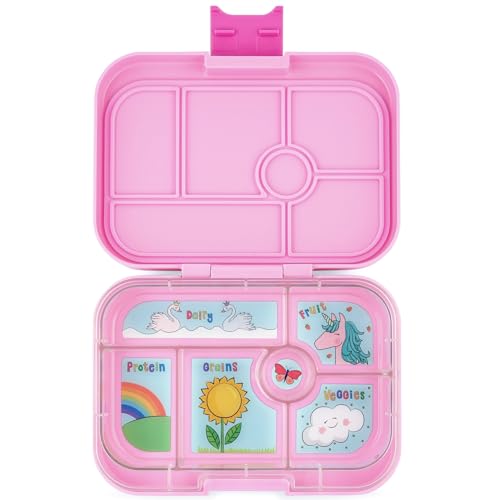
Yumbox Original Leakproof Bento Lunch Box
Leakproof compartments a small child can open unaided, which is the whole test for a daycare lunch.
Check price on Amazon
Name Bubbles Custom Name Labels (95 Labels)
Ninety-five waterproof labels in six sizes. Every centre requires everything named, and this covers a full year.
Check price on AmazonFree Life Insurance Quote
Free Life Insurance Quote for Parents
Childcare is one of the biggest line items in a young family's budget. Life insurance is how many parents make sure that care, and the rest of daily life, can keep going for their kids no matter what. Enter your details to start a free quote.
Daycare Starter Bundle
59 interview questions, safety checklist, evaluation worksheet, and transition guide.
Or get everything with the Ultimate Childcare Library ($79) — all 46 guides and toolkits included.
Written by
ChildCarePath Team
Our team is dedicated to helping families find quality child care options through well-researched guides and resources.
Related Guides
Back-to-School Daycare Checklist 2026: Everything to Buy Before Day One
The complete back-to-school shopping list for daycare and preschool: nap mat, backpack, lunch box, labels, and the big-ticket gear. Every item is a researched top pick with current prices.
Best Breast Pump for Going Back to Work 2026: Top Picks for Daycare Moms
The best breast pump for going back to work in 2026 is the Spectra S1 Plus. We compared 6 top pumps from Spectra, Elvie, Medela, Momcozy, and Willow for working and pumping moms.
Best Daycare Labels and Name Tags 2026: Top 8 Picks
Find the best daycare labels and name tags for 2026. We reviewed 8 top options—Mabel's Labels, Name Bubbles, Avery, and more—with a comparison table and buyer's guide.
Best Daycare Lunch Box 2026: Top 8 Picks for Toddlers and Preschoolers
Find the best daycare lunch box for your child in 2026. We researched 8 top-rated options—Bentgo, Yumbox, OmieBox, PlanetBox, and more—with a comparison table and buyer's guide.
Best Diaper Bag Backpack 2026: Top 8 Picks for Daycare Parents
Find the best diaper bag backpack for daycare in 2026. We reviewed 8 top options including Fawn Design, Skip Hop, Freshly Picked, JuJuBe, and UPPAbaby, organized by storage, comfort, and daily daycare use.
Best Kids Sunscreen for Daycare 2026: Top 8 Picks
Find the best kids sunscreen for daycare in 2026. We reviewed 8 top-rated options—Thinkbaby, Blue Lizard, Coppertone Kids, and more—for outdoor programs and sensitive skin.