Daycare for Introverted Children: Helping Quiet Kids Thrive 2026
How to support introverted children in daycare. Choosing the right program, working with teachers, recharge time, and helping your quiet child thrive in group settings.
Your child is thoughtful, observant, and prefers quiet play to rowdy groups. They have deep friendships with one or two children rather than being the social butterfly of the playground. They're not shy—they're introverted. And you're wondering how they'll handle daycare, where group activities, noise, and constant social interaction are the norm.
Introverted children can absolutely thrive in daycare—but they may need different support than their extroverted peers. This guide helps you understand your introverted child's needs, choose appropriate care, and work with providers to create an environment where your quiet child can flourish.

Understanding Introversion in Young Children
What Introversion Really Means
Introversion is:
- A temperament trait (how the brain processes stimulation)
- About energy (gaining energy from solitude, losing it in groups)
- About processing (thinking before speaking, observing before acting)
- Normal and healthy variation
Introversion is NOT:
- Shyness (fear of social judgment)
- Social anxiety
- A problem to fix
- A phase they'll outgrow
- Unfriendliness or rudeness
Signs of an Introverted Child
You might notice:
- Prefers playing alone or with one friend
- Watches before joining new activities
- Gets overwhelmed in busy or loud settings
- Needs quiet time to recharge
- Has deep interests they pursue intently
- Thinks carefully before speaking
- Enjoys calm, focused activities
- May resist group activities
- Is happier after quiet time
- Gets tired after social events
The Daycare Challenge for Introverts
Daycare environments often feature:
- Large groups of children
- Constant noise and activity
- Many transitions throughout day
- Group activities as the default
- Less alone time
- Pressure to be "social"
- Overstimulation potential
For introverts, this can mean:
- Exhaustion from constant social demands
- Overwhelm from sensory stimulation
- Struggle without recharge time
- Feeling like they don't fit in
- Adults misunderstanding their needs
Choosing the Right Daycare
What to Look For
Smaller group sizes:
- Fewer children = less overwhelming
- More individual attention
- Quieter environment
- Easier to form close friendships
Quiet spaces:
- Areas for solo play
- Reading corners or cozy spots
- Places to retreat
- Away from high-activity areas
Flexible activities:
- Options beyond group activities
- Child-led play opportunities
- Individual projects available
- Not everything is group-based
Understanding teachers:
- Recognize introversion as valid
- Don't force participation
- Appreciate quiet children
- Support individual needs
Low-stimulation options:
- Natural light over fluorescent
- Moderate noise levels
- Not overwhelming décor
- Calm, organized spaces
Types of Care That May Work Well
Family child care (in-home):
- Smaller groups
- Home-like environment
- Consistent caregiver
- May be less stimulating
Montessori programs:
- Individual work emphasized
- Quieter work periods
- Less group-focused
- Self-paced activities
Small preschools:
- Lower enrollment
- More intimate setting
- Easier to know everyone
- Less overwhelming
Part-time arrangements:
- Less total time in group setting
- More recovery time at home
- May reduce exhaustion
- Consider if schedule allows
Questions to Ask Programs
About environment:
- What's your group size?
- Are there quiet spaces for individual play?
- How loud does it typically get?
- Can children retreat from group activities?
About activities:
- How much is group-based vs. individual?
- Can children opt out of circle time sometimes?
- What do you offer for children who prefer solo play?
- How do you handle children who don't want to participate?
About understanding:
- How do you view introverted children?
- How do you support different temperaments?
- Will you work with us on my child's needs?
- How do you handle children who are quiet?

Working with Teachers and Caregivers
Educating Caregivers
Share what you know:
- "My child is introverted, not shy"
- "They need quiet time to recharge"
- "They process before participating"
- "They're not being rude, just observing"
Specific requests:
- Please don't push them to participate before ready
- Let them watch before joining activities
- Provide quiet space when needed
- Don't interpret quietness as unhappiness
- Let them choose one friend over group play
What helps them:
- Warning before transitions
- Time to observe new activities
- One-on-one conversation
- Recognition for their contributions
- Quiet activities available
What Teachers Should Avoid
Well-meaning but harmful:
- "Use your words!" (when they're still processing)
- Forcing participation in group activities
- Drawing attention to their quietness
- Pushing them to "make more friends"
- Interpreting observation as not participating
Better approaches:
- Invite without pressure
- Recognize participation in their own way
- Value observation as engagement
- Support their preferred style
- Create low-pressure opportunities
Ongoing Communication
Check in regularly:
- How is my child doing?
- Are they finding quiet time?
- Do they seem overwhelmed?
- What activities do they enjoy?
- Are there any concerns?
Share what you notice at home:
- Are they exhausted after daycare?
- Do they mention specific challenges?
- What are they enjoying?
- Any changes in behavior?
Supporting Your Child
Before Daycare
Preparation helps:
- Visit the space beforehand
- Meet teachers ahead of time
- Talk about what to expect
- Create a goodbye routine
- Acknowledge their feelings
For introverts specifically:
- Show them quiet spaces
- Reassure them they can watch first
- Talk about when you'll return
- Don't overload with expectations
- Keep morning calm
Building Recharge Time
After daycare:
- Plan quiet time at home
- Don't schedule more activities immediately
- Let them decompress
- Limit questions at first
- Follow their lead on talking
During the day (request from provider):
- Quiet time built into schedule
- Option for solo activities
- Reading corner access
- Flexible participation
Weekends:
- Balance social and alone time
- Don't overschedule
- Honor their need for rest
- Recharge before Monday
Helping Them Navigate
Social skills for introverts:
- Joining play at their own pace
- Having a few close friends (quality over quantity)
- Knowing when to take a break
- Communicating their needs
What to teach:
- "I need a minute by myself"
- How to join play when ready
- It's okay to watch first
- It's okay to play alone sometimes
- How to find quiet spaces
What NOT to do:
- Force them to be different
- Compare to extroverted children
- Make them feel like something's wrong
- Push constant social interaction
Common Challenges and Solutions
Challenge: Exhaustion After Daycare
The issue: Child comes home exhausted, melting down, needing hours to recover.
Solutions:
- Consider shorter days if possible
- Ensure quiet time during day
- Quiet transition at pickup
- Decompress time at home
- Earlier bedtime if needed
- Limit after-daycare activities
Challenge: Not Participating
The issue: Teachers report child doesn't participate in group activities.
Reframe: Observing IS participating for introverts. Watching carefully, taking it in, processing—this is how they learn.
Solutions:
- Educate teachers about introvert learning
- Suggest allowing observation
- Ask for small group options
- Value their style of engagement
- Focus on what they ARE doing
Challenge: Difficulty Making Friends
The issue: Child doesn't have many friends at daycare.
Reframe: Introverts typically have fewer, deeper friendships. One or two close friends is perfect.
Solutions:
- Facilitate one-on-one playdates
- Help them connect with one child
- Don't push for many friends
- Quality over quantity
- Teacher can help pair with compatible child
Challenge: Overwhelm and Meltdowns
The issue: Child has meltdowns at daycare or immediately after.
Solutions:
- More quiet time during day
- Identify triggers and reduce
- Break or calm-down space
- Teach self-regulation strategies
- Consider if setting is right fit
- Check for sensory issues as well
Challenge: Not Talking at School
The issue: Child who talks plenty at home is silent at daycare.
Understanding: This can be selective mutism (anxiety-based) OR introvert processing. They're different.
If it's introversion:
- They may talk more when comfortable
- One-on-one conversations vs. group
- Patience as they warm up
- Not a problem if they're happy
If it's anxiety-based:
- More significant intervention needed
- Consult with pediatrician
- May need professional support
- Different from introversion

Building on Their Strengths
What Introverts Bring
Valuable qualities:
- Deep thinking and creativity
- Careful observation
- Strong focus and concentration
- Loyal friendships
- Independent play skills
- Thoughtful responses
- Rich inner world
In group settings:
- Balance to loud personalities
- Quality contributions
- Strong listener
- Thoughtful friend
- Creative ideas
Celebrating Their Style
Help them see positives:
- "You're such a good observer"
- "You think carefully about things"
- "Your friendship with [child] is so strong"
- "You can focus so well"
- "I love how creative you are when you play alone"
Model acceptance:
- Don't apologize for their quietness
- Don't try to change them
- Show you value introversion
- Share your own need for quiet (if you do)
- Normalize their experience
Key Takeaways
Introversion is a temperament, not a problem:
- It's about energy and processing
- It's not shyness or social anxiety
- It doesn't need to be fixed
- It comes with real strengths
Choose care thoughtfully:
- Look for smaller groups
- Find quiet spaces
- Seek understanding teachers
- Consider family child care or smaller programs
Communicate with caregivers:
- Educate about introversion
- Share what helps your child
- Check in regularly
- Advocate for their needs
Support your child:
- Provide recharge time
- Don't overschedule
- Honor their preferences
- Build on their strengths
Remember:
- Many introverts thrive in daycare
- The right environment matters
- Quiet children can be happy children
- Different isn't wrong
Your introverted child has unique gifts to offer the world. With the right support, understanding, and environment, they can thrive in childcare while staying true to who they are. They don't need to become extroverts—they need caregivers and settings that appreciate and accommodate their natural temperament.
Related guides you may find helpful:
- Daycare Biting: Why It Happens and How to Handl...
- Breastfeeding and Daycare: How to Continue Nurs...
- Reading and Books at Daycare 2026
- Playground and Outdoor Safety at Daycare 2026
What every centre asks you to bring
Whatever else changes between programmes, the supply list barely does. These four turn up on nearly every one.

Makemake Organics Organic Cotton Nap Mat
GOTS-certified with a removable, machine-washable cover, which is what decides whether a mat survives a year of daily use.
Check price on Amazon
Skip Hop Sparks Kid's Backpack
Sized for a preschooler rather than a school-age child, so it actually fits a classroom cubby.
Check price on Amazon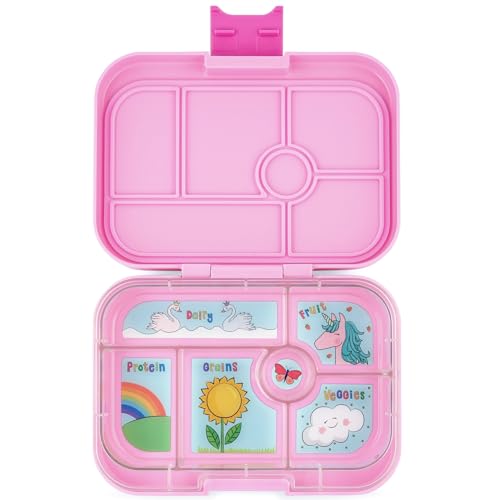
Yumbox Original Leakproof Bento Lunch Box
Leakproof compartments a small child can open unaided, which is the whole test for a daycare lunch.
Check price on Amazon
Name Bubbles Custom Name Labels (95 Labels)
Ninety-five waterproof labels in six sizes. Every centre requires everything named, and this covers a full year.
Check price on AmazonFree Life Insurance Quote
Free Life Insurance Quote for Parents
Childcare is one of the biggest line items in a young family's budget. Life insurance is how many parents make sure that care, and the rest of daily life, can keep going for their kids no matter what. Enter your details to start a free quote.
Daycare Starter Bundle
59 interview questions, safety checklist, evaluation worksheet, and transition guide.
Or get everything with the Ultimate Childcare Library ($79) — all 46 guides and toolkits included.
Written by
ChildCarePath Team
Our team is dedicated to helping families find quality child care options through well-researched guides and resources.
Related Guides
Back-to-School Daycare Checklist 2026: Everything to Buy Before Day One
The complete back-to-school shopping list for daycare and preschool: nap mat, backpack, lunch box, labels, and the big-ticket gear. Every item is a researched top pick with current prices.
Best Breast Pump for Going Back to Work 2026: Top Picks for Daycare Moms
The best breast pump for going back to work in 2026 is the Spectra S1 Plus. We compared 6 top pumps from Spectra, Elvie, Medela, Momcozy, and Willow for working and pumping moms.
Best Daycare Labels and Name Tags 2026: Top 8 Picks
Find the best daycare labels and name tags for 2026. We reviewed 8 top options—Mabel's Labels, Name Bubbles, Avery, and more—with a comparison table and buyer's guide.
Best Daycare Lunch Box 2026: Top 8 Picks for Toddlers and Preschoolers
Find the best daycare lunch box for your child in 2026. We researched 8 top-rated options—Bentgo, Yumbox, OmieBox, PlanetBox, and more—with a comparison table and buyer's guide.
Best Diaper Bag Backpack 2026: Top 8 Picks for Daycare Parents
Find the best diaper bag backpack for daycare in 2026. We reviewed 8 top options including Fawn Design, Skip Hop, Freshly Picked, JuJuBe, and UPPAbaby, organized by storage, comfort, and daily daycare use.
Best Kids Sunscreen for Daycare 2026: Top 8 Picks
Find the best kids sunscreen for daycare in 2026. We reviewed 8 top-rated options—Thinkbaby, Blue Lizard, Coppertone Kids, and more—for outdoor programs and sensitive skin.