Choosing Infant Daycare: Complete Guide to Care for Babies 0-12 Months 2026
How to find quality infant daycare. What to look for in baby care, infant room standards, questions to ask, safety concerns, and evaluating infant childcare programs.
Leaving your baby with someone else for the first time is one of parenting's hardest moments. Finding the right infant care—where your tiny, vulnerable child will be safe, loved, and nurtured—requires careful consideration. Infant care has unique requirements that differ significantly from care for older children.
This guide helps you evaluate infant daycare programs and find care that gives you peace of mind.

Infant Care Is Different
Unique Needs of Babies
What infants require:
- Individual attention and responsiveness
- Safe sleep practices
- Proper feeding (breast milk or formula)
- Frequent diaper changes
- Soothing and comfort
- Developmentally appropriate stimulation
- Consistent caregivers
Why specialized care matters:
- Babies can't communicate needs verbally
- Attachment development is critical
- Safety risks are higher
- Development is rapid
- Every baby is different
What Quality Infant Care Provides
Core elements:
- Low caregiver-to-child ratios
- Trained, experienced infant caregivers
- Safe sleep environment
- Individual care plans
- Communication with parents
- Age-appropriate activities
- Loving, responsive interactions
Evaluating Infant Daycare
Staff Qualifications
Look for:
- Infant/toddler specific training
- CPR and first aid certification
- Experience with babies
- Low staff turnover
- Background checks completed
- Genuine warmth with babies
Questions to ask:
- What training do infant room staff have?
- How long have your infant teachers been here?
- What's your staff turnover rate?
- How do you ensure consistency for babies?
Ratios and Group Size
Industry standards:
- Ideal: 1 caregiver to 3 infants (1:3)
- Maximum recommended: 1:4
- Group size: 6-8 infants maximum
Why it matters:
- More individual attention
- Faster response to needs
- Safer supervision
- Better attachment
- Less overwhelmed caregivers
| Ratio | Quality Level | Notes |
|---|---|---|
| 1:3 | Excellent | Ideal for infants |
| 1:4 | Good | Meets most standards |
| 1:5 | Acceptable | State minimum in some areas |
| 1:6+ | Concerning | Too many babies per caregiver |
Safe Sleep Practices
Critical requirements:
- Babies sleep on backs (always)
- Firm, flat sleep surface
- No loose bedding, toys, bumpers
- Individual cribs for each baby
- Supervision during sleep
- Following AAP safe sleep guidelines
Red flags:
- Babies placed on stomach
- Soft bedding or bumpers in cribs
- Babies sleeping in swings or bouncers
- Cribs with raised sides
- No supervision during nap
Questions to ask:
- What is your safe sleep policy?
- Where do babies sleep?
- How often do you check sleeping babies?
- Do you follow AAP guidelines?
Feeding Practices
For breastfed babies:
- Proper breast milk storage
- Correct labeling system
- Warming methods (not microwave)
- Comfortable space for nursing moms
- Support for pumping if needed
For formula-fed babies:
- Safe formula preparation
- Individual bottles labeled
- Proper storage
- Responsive feeding (not propped bottles)
- Holding during feeding
General feeding:
- Fed on demand/schedule as parents request
- Communication about feeding times/amounts
- Awareness of feeding cues
- Safe introduction to solids (when ready)

Physical Environment
Safety requirements:
- Outlet covers
- Secured furniture
- Safe flooring
- Clean, sanitized surfaces
- Appropriate temperature
- Safe toys for age
- No small parts or choking hazards
- Secure diaper changing area
Developmental environment:
- Floor time opportunities
- Tummy time space
- Appropriate toys and materials
- Natural light when possible
- Calm, nurturing atmosphere
- Music and gentle stimulation
Diaper Changing
What to look for:
- Sanitary changing area
- Proper handwashing
- Gloves used
- Individual supplies
- Communication about diaper contents
- Gentle, interactive changes
Diaper tracking:
- Wet/dirty diapers logged
- Fed back to parents
- Monitoring for issues
Health and Illness
Illness policies:
- Clear sick policy
- Exclusion criteria
- When parents are called
- How illness is handled
- Cleaning and sanitizing procedures
Immunization requirements:
- What's required
- Exemption policies
- How you feel about this
Daily Life in Infant Care
What a Good Day Looks Like
Responsive caregiving:
- Babies responded to quickly when crying
- Individual schedules honored
- Lots of holding and comfort
- Talking and interaction
- Floor time and exploration
- Gentle transitions
Communication:
- Daily reports to parents
- Feeding and diaper tracking
- Nap information
- Milestones and observations
- Photo sharing (some programs)
Primary Caregiving Model
What it is:
- One caregiver is "primary" for your baby
- Handles most care tasks
- Builds strong relationship
- More consistency for baby
Why it's beneficial:
- Supports attachment
- Learns baby's cues
- Better communication with parents
- Baby feels secure
Questions to ask:
- Do you use primary caregiving?
- Who will be my baby's main caregiver?
- What about days that person is absent?
Developmental Activities
Age-appropriate activities:
- Tummy time
- Reading and talking
- Music and singing
- Sensory exploration
- Mirror play
- Texture exploration
- Gentle movement
What NOT to expect:
- Worksheets or "lessons"
- Screen time
- Structured curriculum
- Academic expectations
Special Considerations
Starting Daycare After Maternity Leave
Timing:
- Many parents return at 6-12 weeks
- Some programs don't take babies under 6 weeks
- Adjustment takes time
- Expect emotions (yours and baby's)
Transition tips:
- Start gradual if possible
- Practice with short separations
- Communicate with caregivers
- Be patient with yourself
Breastfeeding and Daycare
Support needed:
- Proper breast milk handling
- Communication about feeding
- Space for nursing visits if possible
- Understanding of breastfeeding importance
What to ask:
- How do you store and label breast milk?
- How do you warm it?
- Can I visit to nurse during the day?
- How do you handle paced bottle feeding?
Sleep Schedules
Working with daycare:
- Share your baby's schedule
- Expect some adjustment
- Communicate about naps
- Flexibility may be needed
Questions:
- How do you handle sleep schedules?
- What if my baby's schedule differs from others?
- How will you communicate about naps?
First Year Milestones
Daycare's role:
- Providing tummy time
- Encouraging development
- Noticing milestones
- Communicating progress
- Not pushing too fast
Communication:
- Regular milestone updates
- Celebration of achievements
- Concerns raised early
- Partnership with parents

Warning Signs
Red Flags to Watch For
During your visit:
- Babies left crying for extended periods
- Rough handling
- Propped bottles
- Babies in containers (swings, bouncers) constantly
- Dirty diaper smell
- Overwhelmed staff
- High noise level
- Unsafe sleep practices
After starting care:
- Baby seems distressed consistently
- Unexplained injuries
- Poor communication
- Inconsistent caregivers
- Your concerns not addressed
- Gut feeling something's wrong
Trust Your Instincts
If something feels wrong:
- Ask more questions
- Visit unexpectedly
- Talk to director
- Consider other options
- Your instincts matter
Making the Decision
Visit Checklist
During your tour, observe:
- How caregivers interact with babies
- Ratio of caregivers to infants
- Cleanliness and safety
- Sleep area and practices
- Feeding area and practices
- Diaper changing procedures
- Overall atmosphere
- Staff demeanor and warmth
Questions Summary
Essential questions:
- What are your infant room ratios?
- What training do infant caregivers have?
- What is your safe sleep policy?
- How do you handle breast milk/formula?
- How do you communicate with parents daily?
- What's your sick policy?
- How do you handle crying/soothing?
- Who will be my baby's primary caregiver?
Comparing Programs
Create a comparison:
| Factor | Program A | Program B | Program C |
|---|---|---|---|
| Ratio | 1:3 | 1:4 | 1:4 |
| Staff training | Excellent | Good | Good |
| Safe sleep | Yes | Yes | Concern |
| Communication | App + verbal | Verbal | Written |
| Cost | $$$ | $$ | $ |
| Gut feeling | Great | Good | Unsure |
After Enrollment
Transition Period
First weeks:
- Expect adjustment for baby and you
- Short days if possible initially
- Extra communication with caregivers
- Patience with everyone
Signs of good adjustment:
- Baby calms with caregiver
- Interested in environment
- Normal eating and sleeping (eventually)
- Growing comfort over time
Ongoing Communication
Stay connected:
- Daily check-ins
- Read all reports
- Ask questions
- Share home information
- Partner with caregivers
Continued Evaluation
Monitor:
- Is your baby thriving?
- Do caregivers know your baby?
- Is communication good?
- Are your concerns addressed?
- Trust your observations
Key Takeaways
Prioritize the essentials:
- Low ratios (1:3 or 1:4)
- Trained, consistent caregivers
- Safe sleep practices
- Responsive care
- Good communication
Trust your instincts:
- If it doesn't feel right, keep looking
- Quality matters more than convenience
- Your baby deserves loving care
- You know your baby best
Ask the right questions:
- About safety practices
- About caregiver qualifications
- About daily routines
- About communication
Observe carefully:
- How babies are held and comforted
- How caregivers respond to crying
- Overall atmosphere
- Specific safety practices
Stay involved:
- Communicate regularly
- Visit when you can
- Raise concerns early
- Partner with caregivers
Finding infant care is emotional and challenging, but quality programs exist. Take your time, ask questions, observe carefully, and trust yourself. The right care will give both you and your baby peace of mind.
Related guides you may find helpful:
- How to Tour a Daycare: Complete Walkthrough Gui...
- Breastfeeding and Daycare: How to Continue Nurs...
- Daycare Pickup Tips and Routines 2026
- Breastfeeding and Daycare: Pumping, Storage, an...
What every centre asks you to bring
Whatever else changes between programmes, the supply list barely does. These four turn up on nearly every one.

Wildkin Nap Mat with Pillow and Blanket
Mat, blanket and removable pillow in one roll, and it is machine washable, which is what decides whether a mat survives a year of daily use.
Check price on Amazon
Skip Hop Sparks Kid's Backpack
Sized for a preschooler rather than a school-age child, so it actually fits a classroom cubby.
Check price on Amazon
Yumbox Original Leakproof Bento Lunch Box
Leakproof compartments a small child can open unaided, which is the whole test for a daycare lunch.
Check price on Amazon
Name Bubbles Custom Name Labels (95 Labels)
Ninety-five waterproof labels in six sizes. Every centre requires everything named, and this covers a full year.
Check price on Amazon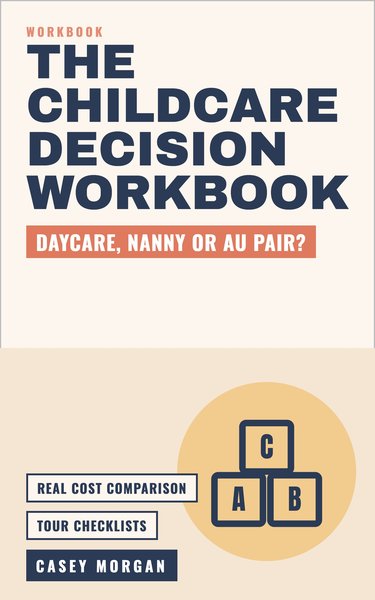
The companion book
The Childcare Decision Workbook
by Casey Morgan
Compare daycare, nanny, nanny share, au pair, and family care by cost and fit, with tour checklists, interview questions, tax worksheets, and a budget planner. A fill-in workbook, so it is printed paperback only.
Written by
ChildCarePath Team
Our team is dedicated to helping families find quality child care options through well-researched guides and resources.
Related Guides
BabyBjörn Smart Potty vs Toilet Trainer Seat: Which for Potty Training? (2026)
A floor potty lets a toddler get on and off alone; a toilet seat insert skips the second transition. Compare independence, cleaning and what most daycares are set up for.
Bentgo Chill vs OmieBox: Cold Lunch or Hot Lunch for Daycare? (2026)
Bentgo Chill keeps a cold lunch cold with removable ice packs; OmieBox adds an insulated thermos well for hot food. Compare capacity, leak resistance and daycare practicality.
Brother P-touch CUBE Plus Review: Labelling Everything for Daycare (2026)
A Brother P-touch CUBE Plus PT-P710BT review for parents: Bluetooth label printing up to 24 mm, laminated TZe tapes that survive the dishwasher, running tape cost, and cheaper label options.
Hatch Baby Sound Machine Review: Routine Builder, Subscription Attached (2026)
A Hatch Baby sound machine and night light review: app-controlled routines, sleep guides, the Hatch+ subscription after three months, safe volume for infants, and simpler alternatives.
Hatch Rest vs Yogasleep Dohm: Which Sound Machine for a Nursery? (2026)
Hatch Rest adds a night light, app control and routines; the Dohm is a mechanical fan that never loops. Compare sound quality, features and safe volume for a nursery.
Munchkin Miracle 360 vs NUK Learner Cup: Which First Cup? (2026)
The Miracle 360 drinks like an open cup with no spout; the NUK Learner keeps a soft spout. Compare spill resistance, dental guidance and which one daycare will accept.