Daycare Biting: Why It Happens and How to Handle It 2026
Understanding and addressing biting behavior in daycare. Why toddlers bite, what daycares should do, how parents can help, and when biting becomes a serious concern.
Few things upset parents more than learning their child was bitten at daycare - or that their child bit someone else. Biting is one of the most challenging behaviors in early childhood settings, causing pain, anxiety, and sometimes conflict between families and providers.
But here's the reality: biting is extremely common in toddlers. It's developmentally normal (though never acceptable), and with proper handling, it typically passes. This guide helps both sides of the situation - parents of biters and parents of bitten children - understand what's happening and how to respond.

What Helps During the Biting Phase
Biting usually comes from teething, frustration without words, or sensory seeking, so the tools that help give a toddler something safe to bite, words for big feelings, and a consistent script at home and at daycare. These are the items daycare teachers and parents most often use:
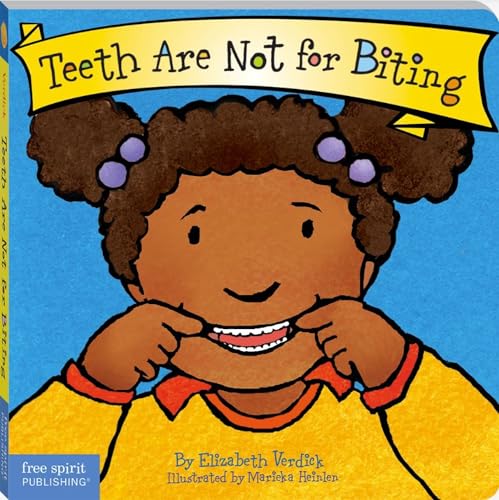
Teeth Are Not for Biting (Board Book) by Elizabeth Verdick
The read-aloud many daycare classrooms use at circle time. It gives toddlers simple alternatives to biting and gives you the same words their teachers use.
Check price on Amazon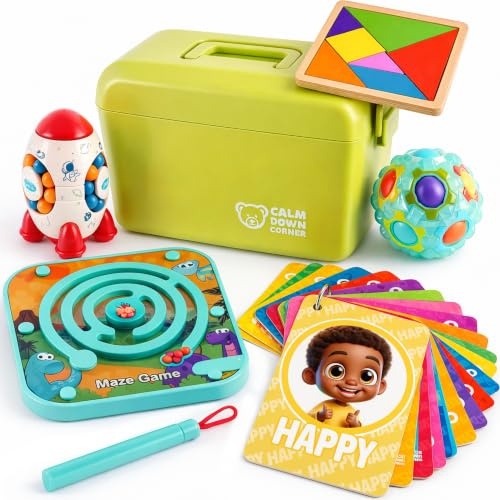
CALM DOWN CORNER Original Emotional Regulation Kit
A boxed kit of laminated feelings cards and sensory fidget tools for a home calm-down spot. Listed for ages 3 and up, so it fits older toddlers whose biting is about frustration rather than teething.
Check price on Amazon
Comotomo Silicone Baby Teether (2-Pack)
Soft silicone teethers to offer the moment a teething toddler starts mouthing, so the urge to bite has somewhere safe to go.
Check price on AmazonFor children 3 and older who still bite or chew for sensory input, the ARK Bite Tube (under $25) is a chew tool developed by a speech-language pathologist and made from medical-grade material in the USA. For a gentler lift-the-flap book for younger toddlers, No Biting! by Karen Katz (under $25) is a daycare favorite. More tools are listed at the end of this guide.
As an Amazon Associate, we earn from qualifying purchases.
Why Toddlers Bite
It's Developmentally Normal
Biting peaks between 13-24 months because toddlers:
- Have limited verbal skills
- Experience big emotions they can't express
- Are learning about cause and effect
- Are exploring their environment orally
- Have developing impulse control
- Are in the "sensory-motor" stage of development
This doesn't make biting acceptable but it helps explain why it happens - and why punishment alone doesn't work.
Common Triggers
Frustration and communication:
- Can't express what they want
- Don't have words for their feelings
- Want something another child has
- Feel misunderstood
Overwhelming emotions:
- Excitement that becomes too much
- Anger they can't regulate
- Fear or anxiety
- Overstimulation
Sensory needs:
- Oral exploration (mouthing everything)
- Teething pain and pressure
- Seeking sensory input
- Self-soothing through mouth
Social challenges:
- Defending space or toys
- Imitating what they've seen
- Seeking attention (even negative)
- Testing boundaries
Physical states:
- Tired
- Hungry
- Sick or in pain
- Overstimulated
- Understimulated (bored)
When Biting Is More Concerning
Normal biting typically:
- Happens occasionally (not daily)
- Has identifiable triggers
- Responds to intervention over time
- Occurs in specific contexts
- Decreases with age and language development
Seek additional support if:
- Biting is frequent (multiple times per day)
- No clear triggers can be identified
- Interventions aren't working
- Child is over 3 and still biting regularly
- Biting seems planned rather than impulsive
- Other concerning behaviors are present
What Daycares Should Do
Immediate Response
When a bite occurs:
- Separate children immediately (calmly, without drama)
- Attend to the bitten child first (comfort and first aid)
- Respond to biter briefly and firmly ("Biting hurts. I won't let you bite.")
- Clean and treat the wound (soap, water, cold compress)
- Document the incident
- Notify both sets of parents
What NOT to do:
- Bite the child back (harmful and ineffective)
- Shame or humiliate the biter
- Make the biter apologize (meaningless at this age)
- Give excessive attention to the biting behavior
- Punish harshly (doesn't address root cause)
Documentation
Incident reports should include:
- Date, time, location
- What happened before the bite
- Who was involved (confidentially)
- Where on the body the bite occurred
- How wound was treated
- Staff response
- Parent notification time
Tracking patterns:
- When does biting occur? (time of day, activity)
- Who is involved? (same children repeatedly?)
- What are the circumstances? (crowded areas, transitions?)
- Are there identifiable triggers?
Prevention Strategies
Environmental modifications:
- More duplicates of popular toys
- Less crowded play areas
- Clear sight lines for supervision
- Cozy corners for overwhelmed children
- Teething toys readily available
Scheduling adjustments:
- Shorter transitions
- More outdoor time
- Snacks before hunger sets in
- Quiet time before fatigue
- Smaller group activities
Staff practices:
- Shadow children who bite frequently
- Stay close during high-risk times (transitions, crowded areas)
- Intervene before bites happen
- Teach alternative behaviors
- Model and reinforce language
Communication with Parents
What daycare should share:
- That an incident occurred
- Basic details (when, where on body)
- How it was handled
- What they're doing to prevent future incidents
- Openness to working together
What they typically can't share:
- Name of the other child (confidentiality)
- Details about the other family
- Information beyond what's relevant to your child
Red flags in daycare response:
- Minimizing or dismissing incidents
- Not documenting bites
- Not notifying parents
- Blaming children or families
- No prevention strategies in place
- Refusing to communicate

If Your Child Was Bitten
In the Moment
At pickup:
- Stay calm (children pick up on parent anxiety)
- Ask what happened and how it was handled
- Review any injury
- Get a copy of the incident report
With your child:
- Comfort them
- Acknowledge their feelings ("That must have hurt")
- Don't ask leading questions or dramatize
- Reassure them they're safe
Wound Care
For minor bites (most common):
- Wash with soap and water
- Apply cold compress for swelling
- Watch for signs of infection (increasing redness, warmth, swelling)
Seek medical attention if:
- Skin is broken and bleeding
- Bite is deep
- Signs of infection develop
- Bite is near eyes or on face
- Your child isn't up to date on vaccinations
Working with Daycare
Productive approach:
- Ask what happened and why
- Ask what they're doing to prevent recurrence
- Share any concerns calmly
- Request increased supervision if pattern develops
Avoid:
- Demanding to know who bit your child (they can't tell you)
- Demanding the other child be expelled (rarely appropriate)
- Threatening to sue (escalates rather than resolves)
- Confronting the other family (you don't know the full situation)
If Biting Continues
If your child is repeatedly bitten:
- Document each incident
- Request a meeting to discuss pattern
- Ask about specific prevention strategies
- Consider whether supervision is adequate
- Evaluate if this is the right environment
When to consider changing care:
- Pattern continues despite intervention
- Daycare seems unable or unwilling to address it
- Your child is distressed or afraid
- You've lost confidence in the program
- Your child's safety isn't being prioritized
If Your Child Is the Biter
Receiving the News
How to respond:
- Don't panic (this is common and typically temporary)
- Listen to what happened
- Ask about triggers and circumstances
- Express concern for the other child
- Discuss next steps with daycare
What NOT to do:
- Punish at home hours later (child won't connect it)
- Shame your child extensively
- Bite your child back (harmful and ineffective)
- Dismiss it ("kids will be kids")
- Blame the daycare entirely
Working with Daycare
Partner effectively:
- Share what works at home
- Discuss triggers you've noticed
- Ask about patterns they're seeing
- Implement consistent approaches
- Communicate regularly
- Be open to suggestions
Questions to ask:
- When is this happening?
- What's going on right before?
- Who is most often involved?
- What strategies are you using?
- What can I do at home?
Strategies at Home
Build language:
- Teach feeling words
- Practice phrases like "I want that" or "Stop"
- Read books about feelings
- Narrate emotions throughout the day
- Celebrate when they use words instead of actions
Address potential causes:
- Ensure adequate sleep
- Regular mealtimes
- Reduce overstimulation
- Provide sensory input (chewy toys, textured foods)
- Manage transitions
Role play:
- Practice scenarios with stuffed animals
- "What could teddy do instead of biting?"
- Act out using words
- Praise practicing new skills
When biting happens at home:
- Respond calmly but firmly
- Remove attention briefly
- Comfort the other child first
- Help them make amends (get ice, give hug)
- Review what they could do instead
If Biting Continues
Escalating interventions:
- Increase shadowing at daycare
- Consult with pediatrician
- Consider developmental evaluation
- Seek guidance from early intervention
- Work with child development specialist
When professional help is needed:
- Biting is frequent and persistent
- Child is over 3 and still biting regularly
- No improvement with intervention
- Other concerning behaviors
- You're out of ideas

Daycare Biting Policies
What to Expect
Good policies include:
- Clear definition of how biting is handled
- Immediate care for both children
- Documentation of all incidents
- Notification of parents
- Prevention strategies
- Escalation procedures
Common policy elements:
- First bite: Incident report, communication
- Repeated biting: Meeting with family, increased shadowing
- Persistent biting: Behavior plan development
- Continued issues: Possible suspension or transition
Questions About Policy
Ask your daycare:
- What is your biting policy?
- How do you respond when biting occurs?
- What prevention strategies do you use?
- At what point do you involve parents?
- What happens if biting continues?
- Has a child ever had to leave due to biting?
Controversial Policies
"Three bites and you're out":
- Pros: Protects other children, clear boundary
- Cons: Doesn't address root cause, may be unfair to child with underlying issues
- Consider: Is there flexibility for individual circumstances?
Confidentiality:
- Standard practice: Don't reveal biter's identity
- Parent concern: Want to know who's hurting their child
- Balance: Confidentiality protects all children; focus on prevention
Separating children:
- Sometimes necessary for safety
- Should be part of broader plan, not only strategy
- Goal is teaching new behaviors, not permanent isolation
Supporting All Children Involved
The Bitten Child
What they need:
- Physical comfort and first aid
- Emotional reassurance
- To know adults will keep them safe
- Not to be frightened by parent response
- Normal routine to continue
What they don't need:
- Adults making a huge drama
- Repeated questioning about the incident
- Fear of returning to daycare
- Thinking they did something wrong
- Parents' anxiety transferred to them
The Biting Child
What they need:
- Clear, consistent response
- Help learning alternatives
- Adults who understand it's developmental
- Language development support
- No shaming or punishment that doesn't teach
What they don't need:
- Being labeled a "bad kid"
- Harsh punishment
- Excessive attention to biting
- Adults who are afraid of them
- Isolation without teaching
Other Children in the Room
What they need:
- To see adults handle it calmly
- Reassurance that adults keep everyone safe
- Not to be frightened by the incident
- Normal routine continuing
When Biting Leads to Bigger Issues
Conflict Between Families
If you're upset:
- Remember the other family is probably struggling
- Don't confront them directly
- Work through the daycare
- Focus on solutions, not blame
If you're approached:
- Stay calm
- Express understanding for their concern
- Don't be defensive
- Let daycare mediate
Legal Concerns
When biting becomes a legal issue:
- Very rare, but can happen with severe injuries
- Document all incidents
- Keep all incident reports
- Consult an attorney if concerned
- Focus on prevention and resolution
Dismissal from Daycare
If your child is asked to leave:
- Understand the daycare's perspective
- Ask for a transition period if possible
- Request documentation to share with next provider
- Seek evaluation if underlying issues suspected
- Find a new setting that may be better equipped
Prevention Is Key
For Daycares
Best practices:
- Low ratios allow close supervision
- Training on child development and biting
- Understanding that biting is normal, not bad
- Environmental design that reduces conflict
- Proactive intervention when frustration builds
- Teaching emotional regulation skills
For Parents
Support your child by:
- Ensuring adequate rest
- Teaching language aggressively
- Building emotional vocabulary
- Providing sensory input at home
- Reducing stress where possible
- Partnering effectively with daycare
Key Takeaways
Biting is normal:
- Extremely common in toddlers
- Peaks 13-24 months
- Related to development, not character
- Typically temporary with good intervention
Response matters:
- Stay calm (parents and providers)
- Brief, firm response to biter
- Comfort to bitten child
- Prevention is primary focus
- Partnership between home and daycare
When it's your child:
- Bitten: Comfort, watch wound, work with daycare on prevention
- Biting: Partner with daycare, teach alternatives, don't punish harshly
Good daycares:
- Have clear policies
- Document and communicate
- Focus on prevention
- Support both families
- Know when to seek help
When to worry:
- Biting is frequent and persistent
- No improvement with intervention
- Child is over 3 and still biting regularly
- Other concerning behaviors present
Biting is stressful for everyone involved - the bitten child, the biting child, both families, and the daycare staff. But with developmental understanding, consistent intervention, and partnership between home and school, it almost always improves. Stay calm, stay consistent, and remember: this too shall pass.
Age-by-Age Biting Timeline (What's Normal vs Concerning)
Biting frequency, intensity, and triggers shift dramatically across early childhood. Here's what pediatric developmental specialists consider age-appropriate vs. worth professional attention in 2026:
6-12 months: The Exploration Phase
At this age, biting is purely sensory exploration. Babies bite because their gums hurt, because they're discovering cause and effect, or because mouthing is their dominant way of investigating texture. Biting at this age is never aggressive - there's no intent behind it, even when it hurts. Frequency: 1-3 incidents/week is common, especially during teething peaks (4-7 months and 12-14 months).
Concerning at this age: Biting that draws blood frequently, biting paired with consistent withdrawal/avoidance from caregivers, or biting that doesn't decrease with teething toys. Talk to your pediatrician if any of these apply.
12-24 months: The Frustration Phase
By 18 months, biting becomes a communication tool. Children at this age have words emerging but limited vocabulary, so they bite when overwhelmed, frustrated, or excited. The peak biting age is 18-24 months - this is when daycares see the most incidents, and it's also when biting feels most upsetting because it appears intentional.
Normal frequency: 0-2 incidents per week during peak phases. Triggers cluster around transitions (drop-off, nap time, mealtimes), shared-resource conflicts (toys, caregiver attention), and fatigue. Most biting at this age happens before lunch or right before nap.
Concerning at this age: More than 3-4 incidents per week sustained over 2+ weeks, biting that targets specific children consistently, or biting paired with significant language delays.
2-3 years: The Communication Bridge Phase
This is when biting should be decreasing as language explodes. A 2-year-old has 50-200 words; a 3-year-old has 1,000+. Biting that persists into this age range typically signals one of three things: language delay, an underlying anxiety, or a learned behavior pattern that's getting reinforced (because it works to clear space, get attention, or end an activity).
Normal frequency: 0-1 incidents per week, typically during major transitions (new sibling, daycare switch, parent travel). Most 2.5-year-olds have stopped biting entirely.
Concerning at this age: Any persistent pattern - meaning weekly biting that continues past 30 months. This is the age where developmental evaluation becomes appropriate.
3-5 years: The Anomaly Phase
Biting in this age range is uncommon and warrants attention. Children this age have the language and self-regulation tools to express frustration without aggression. When biting persists, the most common underlying causes are:
- Sensory processing differences (often co-occurring with autism spectrum diagnoses)
- Significant unmet emotional needs (recent family disruption, attachment concerns, undiagnosed trauma)
- Reinforcement patterns where biting reliably gets the child what they want
- Social-emotional learning gaps that warrant a school-based or private intervention
Concerning at this age: Any biting at all warrants a pediatrician conversation, and 2+ incidents in a month should prompt a developmental specialist or behavioral consultant referral.
When to Escalate: A Decision Framework
Most daycare biting resolves with the standard prevention strategies covered above. But there are clear signals that the situation has moved beyond what daycare staff and family routines can address alone:
Escalate to your pediatrician if:
- Biting is bleeding, deep, or causing puncture wounds
- The child's biting frequency is increasing (not decreasing) despite consistent daycare intervention
- Biting is paired with significant language delay, sensory issues, or social withdrawal
- The biting child shows other regression signs (sleep changes, appetite shifts, mood instability)
Escalate to a developmental specialist if:
- Biting persists past age 3
- A pediatric evaluation reveals possible developmental concerns
- Multiple daycare placements have failed due to biting
- Biting is part of a broader pattern of aggression (hitting, kicking, scratching)
Consider switching daycares if:
- Your child has been bitten 5+ times by the same child with no intervention plan
- The daycare lacks a clear biting policy or refuses to share it
- Staff respond punitively to biting (timeouts, isolation, scolding) rather than developmentally
- Multiple families have raised concerns and the director isn't responding
- Your child has developed daycare avoidance behaviors (clinging at drop-off, regression at home)
What Pediatric Behavioral Experts Recommend in 2026
Pediatric behavioral guidance has evolved significantly in the last decade. Older approaches (biting back, hot sauce on the tongue, public shaming) are now considered counterproductive and potentially harmful. Current evidence-based recommendations from the American Academy of Pediatrics, Zero to Three, and the National Association for the Education of Young Children (NAEYC) emphasize:
- Consistent, calm, immediate response - short verbal redirect, attention to the bitten child, low affect (don't make biting "exciting" with a big reaction)
- Identifying and removing triggers proactively - if biting clusters around 11 a.m., move snack earlier; if it happens during transitions, add a 5-minute warning ritual
- Building communication tools faster than biting urges develop - sign language for 12-18 month olds, emotion word coaching for 18-30 month olds, and "use your words" prompts for 30+ month olds
- Family-school partnership - daycare and home use the same words, the same visual cues, and the same de-escalation rituals
- Sensory and attachment assessment if biting persists past age 3
2026 Expanded FAQ
Should I bite my child back to teach them how it feels?
No. Biting back is universally rejected by current pediatric guidelines. It teaches the child that adults use biting to solve problems (the exact opposite of the lesson you want), can damage attachment, and has been shown in research to increase rather than decrease biting behavior.
Is biting a sign of autism?
Biting alone is not a sign of autism. The peak biting age (18-24 months) precedes the typical age of autism diagnosis (24-36 months), and the vast majority of toddlers who bite are neurotypical. Autism evaluation becomes relevant only when biting persists past age 3 and is accompanied by other signs (social communication differences, restricted interests, sensory sensitivities, language delays).
Can a daycare expel my child for biting?
Yes - most US daycares reserve the right to disenroll for repeated biting that injures other children, especially after multiple intervention attempts. Policies vary widely. Before enrolling, ask any prospective daycare for their written biting policy and the typical sequence of interventions before disenrollment is considered.
My toddler only bites at daycare, never at home. Why?
This is extremely common. Daycare environments have more transitions, more peer competition for resources, more sensory input, and longer time away from primary attachment figures - all of which exceed what most toddlers experience at home. Biting at daycare but not home doesn't mean the daycare is failing; it means daycare is harder.
How long does the biting phase last for most children?
For most toddlers, biting starts around 12-15 months, peaks at 18-24 months, and resolves by 28-32 months. The full window is typically 6-12 months. Children who continue biting past 3 represent a small minority, and that minority benefits most from professional support.
What if another child bit my baby and broke the skin?
Wash the area immediately with soap and water for at least 30 seconds. Apply gentle pressure if bleeding. If the bite punctured the skin, call your pediatrician's nurse line - human bites have an elevated infection risk and may warrant antibiotic prophylaxis. Document the incident with the daycare in writing within 24 hours and request the standard incident report.
Are there any helpful biting books for toddlers?
Yes. Teeth Are Not for Biting by Elizabeth Verdick (Free Spirit Publishing) and No Biting! by Karen Katz are widely used by daycare programs as preventive read-alouds. They establish vocabulary ("biting hurts," "teeth are for chewing food") that staff and parents can reference during incidents.
Recommended Tools for the Biting Phase
As an Amazon Associate, we earn from qualifying purchases. These are the items parents and daycare teachers most often reach for during the 12 to 30 month biting window. Picks are based on publisher and manufacturer details and owner reviews.
- Teeth Are Not for Biting by Elizabeth Verdick (under $25): the most-used preventive read-aloud at daycare circle time. Establishes the "teeth are for chewing food" vocabulary that staff and parents can reference during incidents.
- No Biting! by Karen Katz (under $25): a lift-the-flap board book that pairs with the Verdick book for younger toddlers who need shorter content.
- Hands Are Not for Hitting by Martine Agassi (under $25): the companion board book in the same series, useful when biting comes bundled with hitting or pushing.
- Comotomo Silicone Teether (2-Pack) (under $25): a replacement object to offer when a teething toddler needs to bite something. Dishwasher safe.
- Silicone Chew Necklace for Caregivers (2-Pack) (under $25): worn by the parent or caregiver, it gives a teething toddler something safe to chew while being held, instead of a shoulder.
- CALM DOWN CORNER Original Kit (under $50): feelings cards and sensory tools for a home calm-down spot, for older toddlers whose biting is about frustration.
This guide is researched information, not professional or medical advice. If biting continues past age 3, is frequent, or comes with other developmental concerns, talk with your pediatrician.
Getting ready for daycare?
Our most-used gear guides cover the three things nearly every center asks families to bring on day one.
Related guides you may find helpful:
Written by
ChildCarePath Team
Our team is dedicated to helping families find quality child care options through well-researched guides and resources.
Related Guides
BabyBjörn Smart Potty vs Toilet Trainer Seat: Which for Potty Training? (2026)
A floor potty lets a toddler get on and off alone; a toilet seat insert skips the second transition. Compare independence, cleaning and what most daycares are set up for.
Bentgo Chill vs OmieBox: Cold Lunch or Hot Lunch for Daycare? (2026)
Bentgo Chill keeps a cold lunch cold with removable ice packs; OmieBox adds an insulated thermos well for hot food. Compare capacity, leak resistance and daycare practicality.
Brother P-touch CUBE Plus Review: Labelling Everything for Daycare (2026)
A Brother P-touch CUBE Plus PT-P710BT review for parents: Bluetooth label printing up to 24 mm, laminated TZe tapes that survive the dishwasher, running tape cost, and cheaper label options.
Hatch Baby Sound Machine Review: Routine Builder, Subscription Attached (2026)
A Hatch Baby sound machine and night light review: app-controlled routines, sleep guides, the Hatch+ subscription after three months, safe volume for infants, and simpler alternatives.
Hatch Rest vs Yogasleep Dohm: Which Sound Machine for a Nursery? (2026)
Hatch Rest adds a night light, app control and routines; the Dohm is a mechanical fan that never loops. Compare sound quality, features and safe volume for a nursery.
Munchkin Miracle 360 vs NUK Learner Cup: Which First Cup? (2026)
The Miracle 360 drinks like an open cup with no spout; the NUK Learner keeps a soft spout. Compare spill resistance, dental guidance and which one daycare will accept.