Breastfeeding and Daycare: Pumping, Storage, and Continuing to Nurse 2026
How to continue breastfeeding when your baby goes to daycare. Pumping at work, milk storage, working with caregivers, and maintaining your breastfeeding relationship.
Returning to work and starting daycare doesn't mean the end of breastfeeding. Many mothers successfully continue nursing while their babies are in childcare. It takes planning, communication, and some logistics, but it's absolutely possible to maintain your breastfeeding relationship.
This guide covers everything you need to know about breastfeeding and daycare—from pumping at work to helping caregivers feed your expressed milk.

Preparing Before Daycare Starts
Building Your Milk Stash
When to start pumping:
- 2-4 weeks before returning to work
- After morning nursing sessions (when supply is highest)
- Don't stress about huge stash—just enough to start
How much to store:
- 2-3 days' worth is plenty
- About 24-36 ounces
- You'll replenish daily with pumping
- Too much can lead to waste
Why you don't need a huge freezer stash:
- Fresh milk is preferred
- You'll pump daily what baby needs
- Frozen milk is backup, not primary
- Large stashes often go unused
Getting Baby Used to Bottle
Introduce bottle early enough:
- Around 4-6 weeks old (after breastfeeding established)
- Practice 1-2 times per week
- Have someone other than mom offer bottle
- Use slow-flow nipples
- Pace bottle feeding
If baby refuses bottle:
- Try different nipples
- Try different holders
- Offer when calm, not starving
- Use freshly pumped milk
- Be patient—most babies adjust
Communicating with Daycare
Before enrollment, ask:
- How do you store and prepare breast milk?
- Are staff trained in breast milk handling?
- What feeding method do you use?
- Can I come nurse during the day?
- How do you track feedings?
Provide in writing:
- Feeding schedule preferences
- Amount per feeding
- Warming instructions
- Storage guidelines
- Any special instructions
As an Amazon Associate, we earn from qualifying purchases.
Recommended Feeding Products
The pump itself is the biggest decision. Our full roundup of the best breast pumps for going back to work compares the top plug-in and wearable pumps for working moms; these are the two we recommend most:
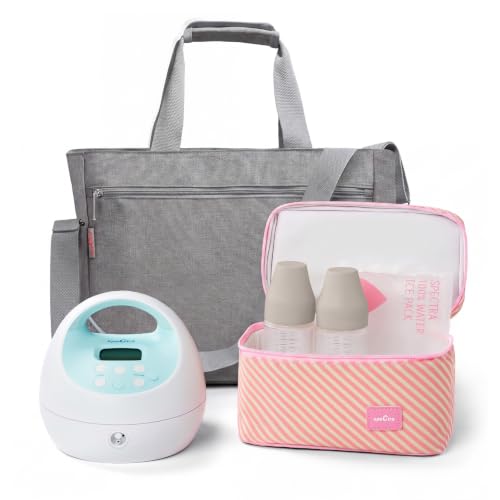
Spectra S1 Plus Electric Breast Pump
Rechargeable, quiet, closed system, the pump lactation consultants recommend most for working moms
Check price on Amazon
Momcozy S12 Pro Wearable Breast Pump (Double)
In-bra hands-free double pumping for meetings and commutes
Check price on AmazonSmaller accessories worth having from day one:
- Breast Pump Bag - Organized carrying bag for breast pump and accessories
- Baby Bottle Warmer - Quick and even warming for bottles and baby food
- Nursing Cover - Breathable, full-coverage nursing cover for on-the-go
Pumping at Work
Know Your Rights
Federal law (PUMP Act):
- Reasonable break time to express milk
- Private space that's not a bathroom
- Applies to most employees
- Up to one year after birth
State laws may provide:
- Additional protections
- Extended time period
- More specific requirements
- Compensation for pump time
Setting Up for Success
What you need:
- Quality double electric pump
- Pumping bra (hands-free)
- Milk storage bags or bottles
- Cooler bag with ice packs
- Cleaning supplies
- Extra parts
Helpful additions:
- Photos/videos of baby
- Nursing cover if needed
- Hand sanitizer
- Snacks and water
- Extra pump parts
Pumping Schedule
Typical schedule:
| Time | Activity |
|---|---|
| Before work | Nurse baby |
| Mid-morning | Pump session (15-20 min) |
| Lunch | Pump session (15-20 min) |
| Mid-afternoon | Pump session (15-20 min) |
| After pickup | Nurse baby |
Maintaining supply:
- Pump when baby would eat
- Don't skip sessions
- Stay hydrated
- Eat enough calories
- Manage stress
Pumping Tips
Maximize output:
- Relax before pumping
- Look at baby's photo
- Use massage and compression
- Check flange fit
- Ensure pump is working properly
Common challenges:
- Output decreasing: Add a session, check parts
- Sore nipples: Check flange size
- Clogged ducts: Massage, heat, nurse frequently
- Time constraints: Talk to employer about schedule

Milk Storage Guidelines
Fresh Milk
Storage times (healthy, full-term babies):
| Location | Temperature | Duration |
|---|---|---|
| Room temperature | Up to 77°F | 4 hours |
| Insulated cooler | With ice packs | 24 hours |
| Refrigerator | 40°F or below | 4 days |
| Freezer (attached) | 0°F | 6 months optimal |
| Deep freezer | 0°F | 12 months acceptable |
Best practices:
- Date all containers
- Use oldest milk first
- Store in back of fridge (coldest)
- Freeze in small amounts (2-4 oz)
- Leave room for expansion
Transporting Milk
To and from daycare:
- Use insulated cooler bag
- Include ice packs
- Label clearly with name and date
- Give verbal instructions
- Verify proper storage on arrival
What to include on labels:
- Baby's full name
- Date expressed
- Amount in container
- Any special instructions
What Daycare Should Know
Handling breast milk:
- Never microwave breast milk
- Thaw in refrigerator or warm water
- Swirl to mix (don't shake vigorously)
- Use within 2 hours of warming
- Discard what baby doesn't finish
Feeding practices:
- Paced bottle feeding
- Respond to hunger cues
- Don't force baby to finish
- Keep milk cold until feeding
- Track amounts consumed
Working with Caregivers
Training Daycare Staff
Topics to cover:
- Proper storage and handling
- Warming methods
- Paced bottle feeding
- Reading hunger cues
- Not wasting milk
Paced bottle feeding:
- Hold baby upright (not lying flat)
- Use slow-flow nipple
- Pause frequently
- Let baby control pace
- Feeding takes 15-20 minutes
Why it matters:
- Mimics breastfeeding
- Prevents overfeeding
- Reduces nipple confusion
- Baby controls intake
- Less milk wasted
Communicating About Feeding
Daily communication:
- How much baby ate
- When baby ate
- How feeding went
- Any concerns or questions
- Tomorrow's milk needs
Be specific about:
- How much per feeding
- Frequency preferences
- Hunger cue recognition
- When to offer milk vs. wait
- What to do with leftover milk
Problem-Solving
If daycare overfeeds:
- Explain paced feeding
- Provide smaller bottles
- Request they wait if baby just ate
- Ask about feeding environment
- Consider observing a feeding
If milk is wasted:
- Provide smaller amounts
- Explain how precious milk is
- Ask them to save partial bottles
- Discuss feeding cues
- Adjust amounts based on baby's intake
How Much Milk Does Baby Need?
Calculating Daily Needs
General guideline:
- 1-1.5 ounces per hour away
- 8-hour day = 8-12 ounces
- 10-hour day = 10-15 ounces
Individual variations:
- Some babies eat more during day
- Some prefer nursing when with mom
- Appetite varies by age
- Activity level affects needs
Sample Milk Prep
For 9-hour daycare day:
| Feeding | Amount |
|---|---|
| Morning (at daycare) | 3-4 oz |
| Mid-day | 3-4 oz |
| Afternoon | 3-4 oz |
| Late afternoon | 2-3 oz |
| Total | 11-15 oz |
Adjust based on:
- Baby's actual intake
- Caregiver feedback
- Whether baby reverse cycles
- Age and growth
Reverse Cycling
What it is: Baby nurses more at night and takes less during day
Why it happens:
- Prefers mom to bottle
- Misses nursing connection
- May be normal response
How to manage:
- Accept increased night nursing temporarily
- Reduce bottles at daycare slightly
- Enjoy nursing time when together
- It often resolves as baby adjusts

Maintaining Your Supply
Keys to Supply
Supply follows demand:
- Remove milk frequently
- Don't skip pump sessions
- Nurse on demand when home
- Power pump if needed
- Stay hydrated and nourished
Warning signs of decreasing supply:
- Less pumping output
- Baby seems hungrier
- Fewer wet/dirty diapers
- Less breast fullness
Boosting Supply
If supply drops:
- Add pumping sessions
- Power pump (pump, rest, pump)
- Nurse more when home
- Check pump parts
- Reduce stress
- Consider galactagogues (oatmeal, fenugreek)
When to get help:
- Supply doesn't respond to changes
- Baby not gaining weight
- Significant concerns
- Considering stopping
Weekend and Evening Nursing
Rebuild connection:
- Nurse on demand at home
- Skin-to-skin time
- Nurse before and after daycare
- Weekend nursing focus
- Bedtime and morning nursing
Common Challenges
Pumping Output Decreasing
Troubleshooting:
- Check pump parts (replace valves, membranes)
- Ensure proper flange fit
- Add a pump session
- Try hands-on pumping
- Address stress
- Consider power pumping
Baby Prefers Bottle
Signs:
- Fussing at breast
- Quick nursing sessions
- Seeming frustrated
- Preferring faster flow
Solutions:
- Use slower flow nipples at daycare
- Practice paced feeding
- Bottle pause technique
- More skin-to-skin
- Nurse in quiet, dark room
Clogged Ducts or Mastitis
Prevention:
- Don't skip pump sessions
- Empty breasts fully
- Proper flange fit
- Avoid tight bras or clothing
Treatment:
- Continue nursing/pumping
- Heat and massage
- Point baby's chin toward clog
- Rest and hydration
- See doctor if fever or flu symptoms
Not Enough Time to Pump
Solutions:
- Talk to employer about breaks
- Know your legal rights
- Advocate for yourself
- Pump during lunch
- Consider earlier arrival
- Pump in car if needed (carefully)
Combination Feeding Options
When to Consider
Supplementing may help if:
- Supply can't meet demand
- Work situation is very difficult
- Stress is overwhelming
- Baby needs more than you can provide
This is not failure:
- Some breast milk has benefits
- Your mental health matters
- Fed baby is most important
- Many combinations work
How to Combine
Options:
- Breast milk at daycare, formula at home
- Formula at daycare, nurse at home
- Mixed bottles
- Gradual transition if weaning
What to tell daycare:
- Which feedings are breast milk
- Which are formula
- Order of preference
- How to supplement if needed
Weaning from Pumping
Gradual Approach
When ready to stop pumping:
- Drop one session at a time
- Wait 3-5 days between drops
- Watch for clogged ducts
- May take several weeks
Order to drop sessions:
- Usually middle of day first
- Morning and evening last
- Based on your schedule
Continuing to Nurse
Many mothers:
- Stop pumping but keep nursing
- Nurse morning and evening
- Nurse on weekends
- Wean gradually from nursing too
Key Takeaways
Preparation matters:
- Practice bottle feeding
- Build modest milk stash
- Communicate with daycare
- Set up pumping space
Pumping success:
- Pump when baby would eat
- Don't skip sessions
- Stay hydrated and fed
- Know your legal rights
Work with daycare:
- Explain handling and storage
- Request paced feeding
- Communicate daily
- Problem-solve together
Maintain supply:
- Remove milk frequently
- Nurse when together
- Address issues early
- Get help if needed
Be flexible:
- Adjust to what works
- Combination feeding is okay
- Your mental health matters
- Any amount of breast milk helps
You can do this:
- Many mothers successfully continue
- It gets easier over time
- Support is available
- You're doing great
Breastfeeding and daycare require coordination, but with preparation and support, you can maintain your nursing relationship while your baby is in care. Communicate clearly with your caregivers, take care of yourself, and know that whatever amount of breastfeeding works for your family is the right amount.
Related guides you may find helpful:
Written by
ChildCarePath Team
Our team is dedicated to helping families find quality child care options through well-researched guides and resources.
Related Guides
BabyBjörn Smart Potty vs Toilet Trainer Seat: Which for Potty Training? (2026)
A floor potty lets a toddler get on and off alone; a toilet seat insert skips the second transition. Compare independence, cleaning and what most daycares are set up for.
Bentgo Chill vs OmieBox: Cold Lunch or Hot Lunch for Daycare? (2026)
Bentgo Chill keeps a cold lunch cold with removable ice packs; OmieBox adds an insulated thermos well for hot food. Compare capacity, leak resistance and daycare practicality.
Brother P-touch CUBE Plus Review: Labelling Everything for Daycare (2026)
A Brother P-touch CUBE Plus PT-P710BT review for parents: Bluetooth label printing up to 24 mm, laminated TZe tapes that survive the dishwasher, running tape cost, and cheaper label options.
Hatch Baby Sound Machine Review: Routine Builder, Subscription Attached (2026)
A Hatch Baby sound machine and night light review: app-controlled routines, sleep guides, the Hatch+ subscription after three months, safe volume for infants, and simpler alternatives.
Hatch Rest vs Yogasleep Dohm: Which Sound Machine for a Nursery? (2026)
Hatch Rest adds a night light, app control and routines; the Dohm is a mechanical fan that never loops. Compare sound quality, features and safe volume for a nursery.
Munchkin Miracle 360 vs NUK Learner Cup: Which First Cup? (2026)
The Miracle 360 drinks like an open cup with no spout; the NUK Learner keeps a soft spout. Compare spill resistance, dental guidance and which one daycare will accept.