Potty Training Regression in Toddlers: Causes and Solutions 2026
Why do potty-trained toddlers have accidents again? Understanding regression triggers, daycare coordination, when it's normal, and when to worry. Parent's complete guide.
Your toddler was potty trained. Weeks or even months of accident-free days. Then suddenly—accidents everywhere. Refusing to use the potty. Acting like they never learned at all. What happened?
Potty training regression is frustrating, messy, and completely normal. Nearly all potty-trained toddlers experience some regression. Understanding why it happens and how to respond can get things back on track without making the situation worse.

Regression is usually about consistency rather than equipment, but these three remove the most common friction points.
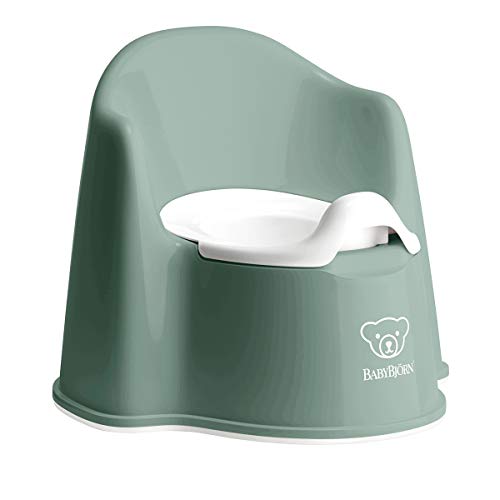
BabyBjörn Potty Chair
Stable, low, and simple enough that a child who has lost confidence can use it without help. Going back to a standalone potty for a few weeks is a normal part of recovering from a regression.
Check price on Amazon
MooMoo Baby Cotton Training Pants (8-Pack)
Cotton training pants pull up and down without help, which matters when a child is regressing because they cannot manage the clothing in time.
Check price on Amazon
Cozy Greens Potty Training Reward Chart
A reusable chart with stickers. Reward systems work best restarted fresh rather than continued from before the regression.
Check price on AmazonWhat Is Potty Training Regression?
Definition
Potty training regression is:
- Return of accidents after being potty trained
- Refusal to use the potty after previously using it successfully
- Backward movement in potty training progress
- Typically temporary
It is NOT:
- A sign your child wasn't really trained
- Your child being defiant or lazy
- A permanent problem
- A failure on anyone's part
What Regression Looks Like
Common presentations:
- Daytime accidents returning
- Nighttime bedwetting returning
- Refusal to sit on potty
- "Holding it" until accident
- Asking for diapers again
- Complete denial of needing to go
- Only accidents in specific locations
Normal vs. Concerning
Normal regression:
- Lasts 2-4 weeks typically
- Triggered by identifiable cause
- Child eventually returns to trained status
- Responsive to supportive approach
May need attention:
- Lasting more than a month
- Painful urination or bowel movements
- Constipation
- Hiding to have accidents
- Complete refusal to use potty ever
- Accompanied by other behavioral concerns
Common Triggers for Regression
Major Life Changes
Common triggers:
- New baby in the family
- Starting daycare or new classroom
- Moving to a new home
- Parent returning to work
- Divorce or separation
- Death of family member or pet
- Major schedule changes
Why it happens:
- Stress affects bladder/bowel control
- Child seeks control in what they can control
- Return to "baby" behaviors for comfort
- Attention-seeking during change
- Overwhelmed by processing new situation
Developmental Leaps
Cognitive developments:
- Child becomes more aware of bodily sensations
- Realizes control over their body
- May experiment with "what happens if..."
- Learning new skills diverts attention
- Brain development is uneven
Physical developments:
- Growth spurts
- Sleep pattern changes
- Learning new motor skills
- Illness affecting body awareness
Environmental Factors
At daycare:
- Different bathroom setup
- Less adult attention
- Peer influence (seeing kids in diapers)
- Scheduled potty times vs. child-led
- Uncomfortable asking for help
At home:
- New bathroom setup
- Changed routine
- Less consistent follow-through
- Parent distraction with other concerns
Medical Causes
Rule out:
- Urinary tract infection (especially girls)
- Constipation (very common cause)
- Diabetes (excessive urination, thirst)
- Anatomical issues
- New medications
Signs to see doctor:
- Pain during urination
- Foul-smelling urine
- Blood in urine
- Hard, painful bowel movements
- Excessive thirst
- Fever with urinary symptoms

How to Handle Regression
The Most Important Rule
Stay calm and don't punish:
- Punishment makes it worse
- Shame creates anxiety
- Anxiety creates more accidents
- Child isn't doing this on purpose
- Your reaction matters more than accidents
Immediate Response
When accidents happen:
- Stay neutral ("Oops, you had an accident. Let's clean up.")
- Don't shame, lecture, or express disappointment
- Help them clean up matter-of-factly
- Change clothes without making it a big deal
- Move on
What NOT to do:
- "You know better than that!"
- "Big kids don't have accidents"
- "I'm so disappointed"
- Force them to sit on potty
- Put them back in diapers (usually)
- Make them stay in wet clothes
Short-Term Strategies
Increase reminders:
- More frequent prompts to use potty
- Set timers
- Ask (don't demand) regularly
- Notice cues and prompt gently
Make it easier:
- Potty in every main room
- Easy-off clothing
- Reduce barriers to bathroom use
- Stay close to bathroom during high-risk times
Reinforce success:
- Celebrate dry periods
- Praise using the potty (without over-doing it)
- Sticker charts can help (if they worked before)
- Small rewards for string of successes
Reduce pressure:
- Less talk about potty
- Don't ask "Do you need to go?" constantly
- Take breaks from pressure
- Let them feel control
Addressing Root Causes
If new sibling:
- Extra one-on-one time
- Don't compare to baby
- Emphasize big kid privileges
- Read books about new siblings
- Be patient—this is huge
If starting daycare:
- Visit bathroom at daycare with them
- Meet the teachers
- Practice the routine
- Give adjustment time
- Coordinate with caregivers
If stressed:
- Address underlying stress
- More connection time
- Maintain routines
- Validate feelings
- Consider if something else is wrong
If constipation:
- Increase fiber
- More water
- Doctor visit if needed
- May need stool softener
- Treat before training will work
When to Consider Diapers Again
Generally avoid returning to diapers because:
- Sends confusing message
- Removes motivation
- May prolong regression
- Can become permanent step back
Exceptions:
- Significant medical issue
- Severe distress affecting wellbeing
- Very young child (under 2) who wasn't ready
- Temporary travel or major event
If you do:
- Frame as temporary
- "We'll use diapers this week, then try underwear again"
- Don't make it punishment or shame
- Have a plan to return to training
Regression at Daycare
Daycare-Specific Triggers
Why daycare causes regression:
- Different bathroom setup
- Less individual attention
- Scheduled vs. on-demand potty time
- Embarrassment about asking
- Busy playing and ignoring signals
- Watching other kids in diapers
Working with Caregivers
Communicate:
- Tell them about regression
- Ask about their observations
- Share home strategies
- Request more reminders/support
- Coordinate approach
Request:
- More frequent potty prompts
- Patience without pressure
- No shaming language
- Same response to accidents
- Daily updates
Ask about:
- Bathroom accessibility
- How accidents are handled
- What timing might help
- Whether other kids are training
- Environmental factors
Daycare-Specific Solutions
Help them succeed at daycare:
- Practice daycare bathroom at home
- Role play asking to go
- Easy-on/off clothing
- Extra changes of clothes
- Comfort item if allowed
Communication log:
- Share when accidents happen
- Track patterns (time of day, activities)
- What works at home vs. daycare
- Coordinate strategies

Age-Specific Considerations
Under Age 3
Regression is very common because:
- Recently trained
- Skills not yet consolidated
- Easily overwhelmed by change
- Developmentally normal
Approach:
- Extra patience
- May need to slow down
- Consider if training was premature
- Less pressure, more time
Ages 3-4
Regression at this age:
- Often triggered by major changes
- Usually shorter duration
- Skills are more established
- Can communicate about what's happening
Approach:
- Address triggering issues
- More conversation about feelings
- Reinforce routines
- Should resolve with consistency
After Age 4
Regression at this age:
- Less common
- Worth investigating cause
- May be stress-related
- Consider medical evaluation
Approach:
- Rule out medical causes
- Consider emotional/psychological factors
- May benefit from professional guidance
- Be patient but thorough
Daytime vs. Nighttime Regression
Daytime Regression
Usually behavioral/situational:
- Related to stress or change
- Child has control but not using it
- Can improve with strategies
- Responsive to environment changes
Focus on:
- Root cause
- Environmental adjustments
- Routine and reminders
- Patience and consistency
Nighttime Regression (Bedwetting)
Different from daytime:
- Often developmental/physical
- Bladder capacity may be issue
- Deep sleep prevents waking
- Common up to age 7
- Not usually behavioral
Approach:
- Use overnight protection without shame
- Limit fluids before bed
- Bathroom right before sleep
- Consider waterproof mattress cover
- Don't wake to use bathroom (usually unhelpful)
- Very patient—this takes longer
Prevention Tips
Before Training Starts
Set up for success:
- Wait until truly ready
- Don't rush due to daycare pressure
- Consistent approach from start
- All caregivers on same page
During Initial Training
Build solid foundation:
- Full commitment, no back-and-forth
- Consistent routine
- Minimal pressure
- Celebrate progress
- Prepare for setbacks
After Training
Maintain success:
- Keep routine consistent
- Continue prompts initially
- Watch for stress signals
- Address changes proactively
- Don't assume it's done forever
When to Seek Help
Medical Consultation
See doctor if:
- Pain with urination or bowel movements
- Constipation
- UTI symptoms (frequency, pain, smell)
- Blood in urine or stool
- Fever with urinary symptoms
- Regression with no apparent trigger
- Lasting more than 4-6 weeks
Behavioral/Developmental Support
Consider evaluation if:
- Severe emotional distress around potty
- Complete refusal beyond normal range
- Regression is one of many concerns
- Potty issues affecting overall functioning
- You've tried everything without improvement
Emotional Support
For parents:
- This is frustrating and exhausting
- Your feelings are valid
- Seek support from partner, friends
- Take breaks when needed
- It will get better
Key Takeaways
Regression is normal:
- Nearly all potty-trained kids regress at some point
- Usually temporary (2-4 weeks)
- Has identifiable trigger usually
- Responds to patient approach
Don't panic or punish:
- Stay calm
- Don't shame
- Matter-of-fact response
- Punishment makes it worse
Address root causes:
- Identify what triggered regression
- Address stress/changes
- Rule out medical issues
- Coordinate with daycare
Patience is key:
- This will pass
- Stay consistent
- Don't go back and forth
- Celebrate small wins
Know when to get help:
- Medical symptoms warrant doctor visit
- Persistent regression may need support
- Trust your instincts
Potty training regression is one of those parenting experiences that feels like the end of the world while you're in it—but it's almost always temporary. Your child learned once and they'll get back there. Stay calm, stay consistent, address any underlying issues, and give it time. In a few weeks, this will likely be behind you.
Related guides you may find helpful:
Written by
ChildCarePath Team
Our team is dedicated to helping families find quality child care options through well-researched guides and resources.
Related Guides
BabyBjörn Smart Potty vs Toilet Trainer Seat: Which for Potty Training? (2026)
A floor potty lets a toddler get on and off alone; a toilet seat insert skips the second transition. Compare independence, cleaning and what most daycares are set up for.
Bentgo Chill vs OmieBox: Cold Lunch or Hot Lunch for Daycare? (2026)
Bentgo Chill keeps a cold lunch cold with removable ice packs; OmieBox adds an insulated thermos well for hot food. Compare capacity, leak resistance and daycare practicality.
Brother P-touch CUBE Plus Review: Labelling Everything for Daycare (2026)
A Brother P-touch CUBE Plus PT-P710BT review for parents: Bluetooth label printing up to 24 mm, laminated TZe tapes that survive the dishwasher, running tape cost, and cheaper label options.
Hatch Baby Sound Machine Review: Routine Builder, Subscription Attached (2026)
A Hatch Baby sound machine and night light review: app-controlled routines, sleep guides, the Hatch+ subscription after three months, safe volume for infants, and simpler alternatives.
Hatch Rest vs Yogasleep Dohm: Which Sound Machine for a Nursery? (2026)
Hatch Rest adds a night light, app control and routines; the Dohm is a mechanical fan that never loops. Compare sound quality, features and safe volume for a nursery.
Munchkin Miracle 360 vs NUK Learner Cup: Which First Cup? (2026)
The Miracle 360 drinks like an open cup with no spout; the NUK Learner keeps a soft spout. Compare spill resistance, dental guidance and which one daycare will accept.