Childcare and Sleep: Managing Naps and Sleep Issues 2026
Understanding sleep at daycare. Nap schedules, sleep policy expectations, when daycare disrupts sleep at home, and helping your child rest well in care.
Sleep is essential for young children, yet many parents worry about how well their child naps at daycare. Different environments, group nap times, and new routines can all affect sleep. Understanding how daycare handles rest time—and how to support good sleep both there and at home—helps ensure your child gets the rest they need.
This guide covers everything about sleep and childcare.

Understanding Daycare Sleep
Why Naps Matter
Importance of rest:
- Young children need significant sleep
- Naps affect mood and behavior
- Learning and development require rest
- Overtired children struggle more
- Sleep affects immune function
Typical Sleep Needs by Age
| Age | Total Sleep | Naps |
|---|---|---|
| 0-3 months | 14-17 hours | Multiple |
| 4-12 months | 12-16 hours | 2-3 |
| 1-2 years | 11-14 hours | 1-2 |
| 3-5 years | 10-13 hours | 0-1 |
How Daycare Handles Naps
Typical approaches:
- Designated rest time for all
- Quiet rooms or areas
- Cots, mats, or cribs
- Consistent schedule
- Staff supervision during rest
If your center asks families to send a mat, see our guide to the best nap mat for daycare, which compares roll-up mats with built-in bedding against folding vinyl mats.
As an Amazon Associate, we earn from qualifying purchases.
Recommended Sleep Products
- White Noise Sound Machine - Soothing sounds to help children fall asleep
- Blackout Curtains for Nursery - Block light for better nap and sleep quality
- Weighted Blanket for Kids - Gentle pressure to help children feel calm and sleep soundly
Infant Sleep at Daycare
Safe Sleep Practices
What to look for:
- Firm, flat sleep surface
- No loose bedding
- Back sleeping position
- Supervised sleep
- Safe sleep environment
- SIDS prevention practices
Infant Sleep Policies
Good programs:
- Individual schedules honored when possible
- Safe sleep training for staff
- Regular sleep checks
- Quiet sleep environment
- Transition to group schedule gradually
Questions About Infant Sleep
Ask:
- What is your safe sleep policy?
- Can you follow our sleep schedule?
- How often are babies checked?
- What does the sleep environment look like?
- How do you handle babies who won't sleep?

Toddler and Preschool Naps
Group Nap Time
How it works:
- Set nap time (often after lunch)
- All children rest together
- Usually 1-2 hours
- Quiet activities for non-nappers
- Gradual wake-up
The One-Nap Transition
What to expect:
- Usually happens 12-18 months
- Daycare may push to one nap earlier
- Adjustment period normal
- May need earlier bedtime
- Communicate with daycare
When Your Child Won't Nap
Common at daycare:
- New environment disruption
- Different sleep associations
- Social stimulation
- Noise and activity
- Temporary adjustment
Solutions:
- Comfort items from home
- Consistent pre-nap routine
- Communicate with teachers
- Patience during adjustment
- May need later nap if struggling
Common Sleep Challenges
Child Doesn't Nap at Daycare
If your child won't sleep:
- May be adjustment period
- Ask how teachers handle it
- Explore comfort items
- Consider timing changes
- May need quiet rest time instead
What helps:
- Consistent routine
- Familiar items
- Dimmed lights
- White noise (if used)
- Patience
Short Naps
If naps are brief:
- May be learning to adjust
- Environment may be stimulating
- Timing may not match their needs
- Check if waking others or vice versa
Overtired at Pickup
If child is exhausted:
- May not have napped well
- Long day is tiring
- Adjust bedtime earlier
- Ensure adequate total sleep
- Weekend catch-up if needed
Won't Sleep at Home After Daycare
Common scenarios:
- Too much daytime sleep
- Overtired from not enough sleep
- Routine disruption
- Over-stimulation during day
Working with Daycare on Sleep
Communication Is Key
Share:
- Your child's normal sleep patterns
- What works at home
- Sleep challenges you're seeing
- Changes in home routine
Ask for:
- Daily sleep reports
- How naps are going
- Any concerns they have
- Strategies they're using
When Approaches Differ
If home and daycare differ:
- Discuss your approach
- Find common ground
- Some differences are okay
- Focus on what matters most
Advocating for Your Child
If sleep needs aren't met:
- Discuss concerns calmly
- Ask about accommodations
- Propose solutions
- Escalate if needed

Adjusting Home Sleep
When Daycare Changes Sleep Patterns
Common changes:
- Needing less daytime sleep
- Tired earlier in evening
- Different wake times
- Consolidated napping
Adapting Bedtime
May need:
- Earlier bedtime on daycare days
- Catch-up sleep on weekends
- Quiet time before bed
- Shorter bedtime routine (too tired for long)
Weekend vs. Weekday
Balance by:
- Keeping wake time fairly consistent
- Not letting weekend naps go too long
- Similar routines when possible
- Accepting some variation
Transitioning Off Naps
When It Happens
Typical timeline:
- Most drop nap between 3-5
- Daycare may have quiet time instead
- Individual variation is normal
- Gradual process usually
Signs They're Ready
Your child may:
- Fight naps consistently
- Nap but then won't sleep at night
- Do fine without napping on weekends
- Be over 3 years old
Working with Daycare
During transition:
- Communicate about readiness
- Ask about quiet time options
- Adjust expectations
- Support at home too
Quiet Time Alternatives
Good daycares offer:
- Books and quiet activities
- Rest time even if not sleeping
- Separate area for non-nappers
- Appropriate alternatives
Sleep Training and Daycare
Coordinating Methods
If sleep training at home:
- Communicate your approach
- Don't expect daycare to replicate fully
- Consistency where possible
- Be realistic about group setting
Different Expectations
Daycare may:
- Not follow exact method
- Have less flexibility
- Use different approach
- Need to manage group
Special Situations
Child Who Never Slept at Daycare
If persistent issue:
- Evaluate if major problem
- Consider if daycare is right fit
- Compensate with home sleep
- Check for other issues
Shift Worker Parents
Managing different schedules:
- Communicate needs
- Flexibility where possible
- Prioritize total sleep
- Watch for chronic deficits
New Baby at Home
Sleep disruptions:
- Communicate changes
- Expect temporary regression
- Support during transition
- Patience all around
Key Takeaways
Understand daycare sleep:
- Naps are important
- Group setting is different
- Adjustment takes time
- Communication matters
Support good sleep:
- Safe sleep practices (infants)
- Comfort items help
- Routine is important
- Patience during adjustment
Work together:
- Share information
- Ask about their approach
- Find common ground
- Address concerns early
Adjust home routines:
- Earlier bedtimes often needed
- Weekend balance
- Compensate for short naps
- Prioritize total sleep
Be realistic:
- Daycare is different
- Perfect naps may not happen
- Focus on adequate total sleep
- Children adapt
Good sleep is essential for your child's wellbeing, but it may look different at daycare than at home. By understanding what to expect and working with your childcare provider, you can help ensure your child gets the rest they need.
Related guides you may find helpful:
- Executive Function Development at Daycare 2026
- Childcare and Child Development: What Parents S...
- Toddler Hitting and Aggression at Daycare: Pare...
- Childcare for Breastfed Babies: Complete Workin...
What every centre asks you to bring
Whatever else changes between programmes, the supply list barely does. These four turn up on nearly every one.

Wildkin Nap Mat with Pillow and Blanket
Mat, blanket and removable pillow in one roll, and it is machine washable, which is what decides whether a mat survives a year of daily use.
Check price on Amazon
Skip Hop Sparks Kid's Backpack
Sized for a preschooler rather than a school-age child, so it actually fits a classroom cubby.
Check price on Amazon
Yumbox Original Leakproof Bento Lunch Box
Leakproof compartments a small child can open unaided, which is the whole test for a daycare lunch.
Check price on Amazon
Name Bubbles Custom Name Labels (95 Labels)
Ninety-five waterproof labels in six sizes. Every centre requires everything named, and this covers a full year.
Check price on Amazon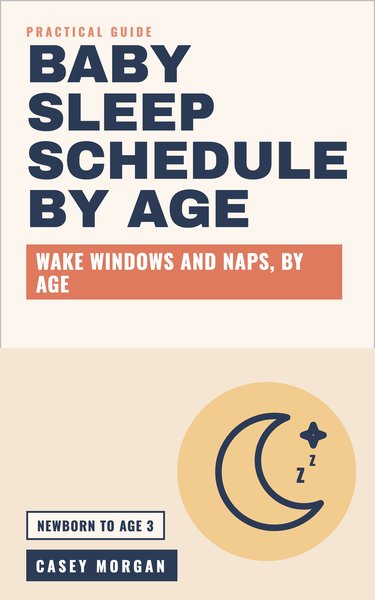
The companion book
Baby Sleep Schedule by Age
by Casey Morgan
Wake windows, nap schedules, and gentle fixes for night waking, from newborn to age three. Useful for lining up home naps with an infant room's schedule.
Written by
ChildCarePath Team
Our team is dedicated to helping families find quality child care options through well-researched guides and resources.
Related Guides
BabyBjörn Smart Potty vs Toilet Trainer Seat: Which for Potty Training? (2026)
A floor potty lets a toddler get on and off alone; a toilet seat insert skips the second transition. Compare independence, cleaning and what most daycares are set up for.
Bentgo Chill vs OmieBox: Cold Lunch or Hot Lunch for Daycare? (2026)
Bentgo Chill keeps a cold lunch cold with removable ice packs; OmieBox adds an insulated thermos well for hot food. Compare capacity, leak resistance and daycare practicality.
Brother P-touch CUBE Plus Review: Labelling Everything for Daycare (2026)
A Brother P-touch CUBE Plus PT-P710BT review for parents: Bluetooth label printing up to 24 mm, laminated TZe tapes that survive the dishwasher, running tape cost, and cheaper label options.
Hatch Baby Sound Machine Review: Routine Builder, Subscription Attached (2026)
A Hatch Baby sound machine and night light review: app-controlled routines, sleep guides, the Hatch+ subscription after three months, safe volume for infants, and simpler alternatives.
Hatch Rest vs Yogasleep Dohm: Which Sound Machine for a Nursery? (2026)
Hatch Rest adds a night light, app control and routines; the Dohm is a mechanical fan that never loops. Compare sound quality, features and safe volume for a nursery.
Munchkin Miracle 360 vs NUK Learner Cup: Which First Cup? (2026)
The Miracle 360 drinks like an open cup with no spout; the NUK Learner keeps a soft spout. Compare spill resistance, dental guidance and which one daycare will accept.