STEM Preschool Programs: Early Science & Math Education Guide 2026
What is STEM preschool? How young children learn science, technology, engineering, and math through play. Finding quality programs, activities, and when STEM focus matters.
STEM education has become a buzzword in early childhood, with preschools increasingly advertising science, technology, engineering, and math curricula. But what does STEM really look like for 3-5 year olds? Is it children coding on tablets? Doing worksheets about addition? The reality is both simpler and more profound than many parents expect.
This guide explains what authentic STEM learning looks like in preschool, how to evaluate programs, and what matters most for building early STEM foundations.

What Is STEM in Preschool?
Beyond the Buzzword
STEM stands for:
- Science
- Technology
- Engineering
- Math
In preschool, this means:
- Exploring how the world works
- Asking questions and testing ideas
- Building and creating
- Recognizing patterns and relationships
- Developing critical thinking skills
What it's NOT:
- Worksheets and drills
- Sitting at computers
- Learning to code (not yet)
- Academic pressure
- Replacing play with instruction
Age-Appropriate STEM
Preschool STEM is play-based:
- Discovery through exploration
- Hands-on experimentation
- Open-ended materials
- Child-led investigation
- Process over product
It looks like:
- Water table exploration (physics!)
- Block building (engineering!)
- Sorting and counting (math!)
- Nature observation (science!)
- Taking things apart (technology!)
The "A" in STEAM
STEAM adds Arts:
- Creativity and innovation
- Design thinking
- Artistic expression
- Integration across domains
Why arts matter:
- Creativity is foundational to STEM careers
- Design requires artistic thinking
- Arts develop fine motor skills
- Integration reflects real-world application
STEM Learning in Early Childhood
Science in Preschool
Core concepts:
- Observation (using senses)
- Questioning (why does...?)
- Experimentation (what happens if...?)
- Cause and effect
- Living vs. non-living things
- Natural phenomena
What it looks like:
| Activity | Science Skills |
|---|---|
| Watching ants | Observation, inquiry |
| Planting seeds | Life cycles, prediction |
| Mixing colors | Cause and effect |
| Water play | Properties of matter |
| Shadow exploration | Light and observation |
| Weather watching | Patterns, recording |
Good preschool science:
- Encourages questions without always providing answers
- Allows children to test their own ideas
- Includes nature and living things
- Uses scientific vocabulary naturally
- Values wonder and curiosity
Technology in Preschool
Technology ≠ Screens
Broad definition includes:
- Tools that extend human capabilities
- Simple machines (levers, pulleys)
- Construction materials
- Any tool used to solve problems
Age-appropriate technology:
- Pulleys and ramps
- Magnifying glasses
- Balance scales
- Kitchen tools
- Buttons and zippers
- Gears and connectors
Screen technology:
- Limited role in quality preschool STEM
- If used, should be interactive, not passive
- Not a replacement for hands-on exploration
- Some coding apps for older preschoolers can be appropriate
Engineering in Preschool
Engineering = Design and Building
Core concepts:
- Identifying problems
- Designing solutions
- Building and testing
- Iterating (trying again)
- Spatial reasoning
What it looks like:
| Activity | Engineering Skills |
|---|---|
| Block building | Structure, balance |
| Bridge building | Problem-solving |
| Marble runs | Cause/effect, iteration |
| Art construction | Design, materials |
| Fort building | Spatial reasoning |
| Vehicle design | Testing, improving |
Engineering mindset:
- "How can we make it work?"
- "What if we try...?"
- "Why did it fall down?"
- "Let's try again a different way"
Mathematics in Preschool
More than counting and numbers
Core concepts:
- Number sense (counting, quantity)
- Patterns and relationships
- Shapes and spatial awareness
- Measurement and comparison
- Sorting and classification
What it looks like:
| Activity | Math Skills |
|---|---|
| Setting the table | One-to-one correspondence |
| Sorting buttons | Classification |
| Pattern play | Sequencing |
| Block building | Geometry, spatial |
| Cooking | Measurement |
| Playing store | Number operations |
Quality math instruction:
- Integrated into daily activities
- Hands-on manipulatives
- Language-rich (more, less, same)
- Relevant to children's lives
- Playful, not drill-based

Finding Quality STEM Programs
What to Look For
Environment:
- Materials for building (blocks, construction sets)
- Nature and living things
- Water and sand tables
- Loose parts for exploration
- Science tools (magnifiers, scales)
- Not overly focused on screens
Teaching approach:
- Open-ended questioning
- Following children's interests
- Allowing experimentation
- Not always providing answers
- Celebrating mistakes as learning
- Process focus (not just products)
Integration:
- STEM woven throughout day
- Not just a separate "STEM time"
- Connected to other learning
- Relevant to children's lives
- Play-based foundation
Questions to Ask
About curriculum:
- What does STEM learning look like here?
- Can you give me examples of science activities?
- How do you incorporate math throughout the day?
- What engineering/building opportunities exist?
- How much screen time is used?
About approach:
- How do you respond when children ask questions?
- What happens when a building project fails?
- How do you encourage experimentation?
- What's the role of nature in your program?
About materials:
- What building materials do you have?
- Do you have science tools for exploration?
- How do children access materials?
- What's your approach to outdoor learning?
Red Flags
Signs of poor STEM education:
- Heavy screen use labeled as "technology"
- Worksheets for "math"
- Single-answer activities
- Product over process focus
- No building or construction materials
- Limited outdoor/nature time
- "STEM" as marketing only
Signs of pressure, not learning:
- Rigid curriculum requirements
- Testing or assessment pressure
- Focus on "getting ahead"
- Lack of play-based learning
- Homework for preschoolers
Green Flags
Signs of quality STEM:
- Children asking questions
- Experiments in progress
- Building projects displayed
- Nature items collected
- Open-ended materials available
- Teachers questioning, not telling
- Mistakes celebrated
STEM Program Types
STEM-Focused Preschools
What they offer:
- Explicit STEM curriculum
- Specialized materials
- Teacher training in STEM
- Integration across subjects
Consider if:
- Your child shows strong interest
- Philosophy aligns with your values
- Still play-based (not academic)
- Quality indicators are present
Watch out for:
- Marketing over substance
- Academic pressure
- Screen-heavy approach
- Narrow definition of STEM
Nature-Based Programs
Why they're great for STEM:
- Natural laboratory for science
- Engineering with natural materials
- Math in nature (patterns, counting)
- Technology as tools
Examples:
- Forest schools
- Nature preschools
- Outdoor-focused programs
- Farm-based programs
Montessori and STEM
Natural STEM alignment:
- Hands-on learning materials
- Self-directed exploration
- Real tools and materials
- Mathematical manipulatives
- Scientific observation
Strengths for STEM:
- Concrete to abstract learning
- Individual pacing
- Exploration encouraged
- Practical life skills
Reggio Emilia and STEM
Project-based STEM:
- Child-led investigation
- Long-term project work
- Documentation of learning
- Environment as teacher
Strengths for STEM:
- Deep exploration
- Engineering through art
- Collaboration
- Real-world problems
Play-Based Programs
Every quality play-based program includes STEM:
- Blocks = engineering
- Dramatic play = problem-solving
- Art = design
- Sandbox = physics
- Puzzles = spatial reasoning
Why play IS STEM:
- Children naturally experiment
- Play develops critical thinking
- Exploration builds foundation
- Curiosity is cultivated
STEM at Home
Everyday STEM
In the kitchen:
- Measuring and pouring
- Following recipes (sequences)
- Observing changes (cooking as chemistry)
- Sorting utensils
- Predicting outcomes
In nature:
- Collecting and sorting
- Observing wildlife
- Planting and growing
- Weather watching
- Rock and mineral exploration
With blocks and construction:
- Building towers and structures
- Creating ramps and tracks
- Designing solutions
- Testing and iterating
During routines:
- Counting steps
- Sorting laundry
- Predicting ("what comes next?")
- Problem-solving together
Materials to Have
Building:
- Unit blocks
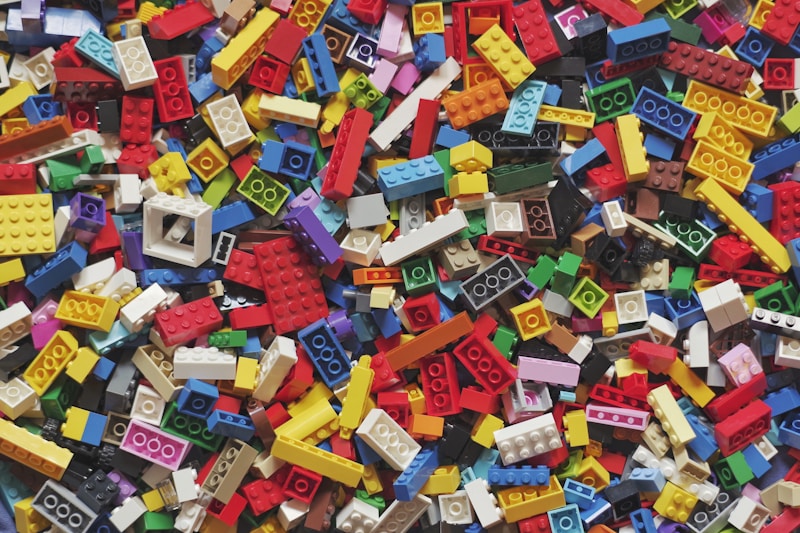
- LEGO or DUPLO
- Magna-Tiles or magnetic blocks
- Recycled materials (boxes, tubes)
- Lincoln Logs, tinker toys
Science:
- Magnifying glass
- Basic magnets
- Nature collection box
- Bug viewers
- Simple scales
Math:
- Counting toys
- Pattern blocks
- Sorting trays
- Measuring tools
- Number puzzles
Open-ended:
- Play dough
- Art supplies
- Loose parts (buttons, pom poms)
- Fabric and string
- Water table or tub
Fostering STEM Thinking
Ask questions:
- "What do you notice?"
- "What do you think will happen?"
- "Why do you think that happened?"
- "What would happen if...?"
- "How could we find out?"
Follow their lead:
- Notice what interests them
- Provide related materials
- Extend their exploration
- Don't rush to answer
- Value their theories
Model curiosity:
- Wonder aloud
- Admit you don't know
- Investigate together
- Make mistakes and try again
- Show excitement about learning
What Research Says
Early STEM Matters
Research findings:
- Early math skills predict later school success
- Spatial reasoning is trainable and valuable
- Science inquiry develops critical thinking
- Play-based STEM is more effective than instruction
What helps:
- Hands-on exploration
- Talking about thinking
- Building background knowledge
- Fostering curiosity
- Providing materials and time
What Doesn't Help
Research cautions:
- Worksheets don't build understanding
- Passive screen time doesn't develop skills
- Pressure undermines motivation
- Adult-directed activities limit learning
- Academic focus in preschool backfires
The Play-Based Foundation
Why play works:
- Children are natural scientists
- Play develops executive function
- Exploration builds neural pathways
- Curiosity drives engagement
- Mistakes are expected and valuable
Common Questions
"Is my child behind if they're not doing STEM activities?"
No. Quality early childhood includes STEM naturally:
- Playing with blocks IS engineering
- Asking "why" IS science
- Sorting and counting IS math
- Using tools IS technology
Every good preschool includes STEM, even if not labeled.
"Do I need to teach my preschooler to code?"
Not necessary. Coding can wait. More important foundations:
- Logical thinking through puzzles
- Sequencing through stories
- Pattern recognition through games
- Problem-solving through play
If interested, unplugged coding activities (no screens) are age-appropriate.
"Will my child be behind without a STEM preschool?"
Unlikely. What matters more:
- Quality play-based environment
- Exploration and curiosity encouraged
- Building and construction opportunities
- Nature and outdoor time
- Responsive, questioning teachers
These exist in many preschool types, not just "STEM" labeled ones.
"How much screen time for technology learning?"
Very limited. Research supports:
- Minimal passive screen time
- If using screens, interactive apps
- Hands-on technology is better
- Real tools over simulations
- Screens don't replace exploration
"Should I push academics for STEM readiness?"
No. Play IS academics:
- Pressure undermines learning
- Play builds stronger foundations
- Curiosity is more valuable than facts
- Social-emotional skills support learning
- There's plenty of time for formal academics

Gender and STEM
Starting Early
Why it matters:
- STEM fields remain male-dominated
- Gaps appear early without intervention
- Early exposure shapes interests
- Confidence develops young
What helps:
- Equal access to building toys
- Female STEM role models
- Avoiding gendered messaging
- Encouraging all children's curiosity
- Breaking stereotypes early
For All Children
STEM is for everyone:
- Different interests are okay
- Multiple entry points exist
- Avoid tracking or limiting
- Celebrate diverse approaches
- Support all learners
Key Takeaways
STEM in preschool is play-based:
- Hands-on exploration
- Open-ended materials
- Child-led discovery
- Process over product
- No worksheets or drills
Look for quality indicators:
- Building and construction materials
- Nature and outdoor time
- Questioning over telling
- Mistakes celebrated
- Curiosity encouraged
Every quality preschool includes STEM:
- Don't be fooled by marketing
- Play IS learning
- Blocks ARE engineering
- Questions ARE science
- Counting IS math
Support STEM at home:
- Provide open-ended materials
- Ask questions, don't answer
- Follow their interests
- Explore nature together
- Let them fail and try again
What matters most:
- Curiosity and wonder
- Permission to experiment
- Time to explore
- Materials to manipulate
- Adults who ask questions
The best STEM preschool education looks like joyful play with attentive adults who ask good questions and provide interesting materials. It's less about curriculum and more about cultivating the mindset of exploration, experimentation, and persistence. The child who asks "why?" and "what if?" is already doing STEM—your job is to fan those flames.
Related guides you may find helpful:
- Outdoor & Nature Preschools: Complete Guide to ...
- Preschool vs Daycare: What's the Difference and...
- Waldorf Preschool & Daycare: Complete Guide to ...
- Co-Op Preschool Guide: How Parent Cooperative P...
What every centre asks you to bring
Whatever else changes between programmes, the supply list barely does. These four turn up on nearly every one.

Wildkin Nap Mat with Pillow and Blanket
Mat, blanket and removable pillow in one roll, and it is machine washable, which is what decides whether a mat survives a year of daily use.
Check price on Amazon
Skip Hop Sparks Kid's Backpack
Sized for a preschooler rather than a school-age child, so it actually fits a classroom cubby.
Check price on Amazon
Yumbox Original Leakproof Bento Lunch Box
Leakproof compartments a small child can open unaided, which is the whole test for a daycare lunch.
Check price on Amazon
Name Bubbles Custom Name Labels (95 Labels)
Ninety-five waterproof labels in six sizes. Every centre requires everything named, and this covers a full year.
Check price on AmazonWritten by
ChildCarePath Team
Our team is dedicated to helping families find quality child care options through well-researched guides and resources.
Related Guides
Waldorf Preschool & Daycare: Complete Guide to Steiner Education 2026
What is Waldorf early childhood education? Philosophy, play-based approach, delayed academics, what to expect, pros and cons, and how to find authentic Waldorf programs.
Co-Op Preschool Guide: How Parent Cooperative Programs Work 2026
Everything about co-op preschools: how they work, parent participation requirements, costs, pros and cons, and how to know if a cooperative preschool is right for your family.
Reggio Emilia Approach: Complete Guide to This Preschool Philosophy 2026
What is Reggio Emilia preschool? Understand this child-centered approach, how it differs from Montessori, what to look for in programs, and whether it's right for your child.
Outdoor & Nature Preschools: Complete Guide to Forest Schools 2026
Everything about outdoor preschools, forest schools, and nature-based early education. Benefits, what to expect, weather considerations, and finding programs near you.
Bilingual & Language Immersion Daycare: Complete Guide for Parents 2026
Benefits of bilingual daycare and language immersion programs. How children learn languages, what to look for, Spanish, Mandarin, and other language options for your child.
Daycare vs Preschool: Understanding the Real Differences in 2026
What's the difference between daycare and preschool? Hours, curriculum, costs, ages, and which is right for your child. Complete comparison guide for parents.