Reggio Emilia Approach: Complete Guide to This Preschool Philosophy 2026
What is Reggio Emilia preschool? Understand this child-centered approach, how it differs from Montessori, what to look for in programs, and whether it's right for your child.
Quick answer: The Reggio Emilia approach is a child-centered early education philosophy from Reggio Emilia, Italy, that treats children as capable co-creators of their own learning. Developed after World War II by Loris Malaguzzi and local parents, it is built on an emergent curriculum that follows children's interests, long-term project work, the "hundred languages" of creative expression, beautifully designed environments that act as a "third teacher," extensive documentation of learning, and genuine partnership with families. It is a philosophy rather than a certified curriculum, so program quality varies and any school can call itself "Reggio-inspired."
The six core principles of the Reggio Emilia approach:
- The image of the child: children are strong, capable, and resourceful protagonists of their own learning
- The hundred languages of children: art, movement, drama, music, building, and words are all equally valued forms of expression
- Environment as the third teacher: spaces are intentionally designed with natural light, natural materials, and beauty to invite exploration
- Emergent curriculum: learning grows out of children's interests instead of a predetermined plan
- Documentation: teachers make learning visible through photos, transcripts, displays, and reflection
- Relationships and parent partnership: learning happens through collaboration among children, teachers, families, and community
You've heard about Reggio Emilia schools and their beautiful, child-led environments. You've seen stunning photos of children's projects and natural materials. But what exactly is the Reggio approach, and how do you know if a program truly follows it?
This guide explains the Reggio Emilia philosophy, what authentic programs look like, how it compares to other approaches, and how to evaluate whether it's right for your child and family.
Bringing Reggio Home: Open-Ended Materials
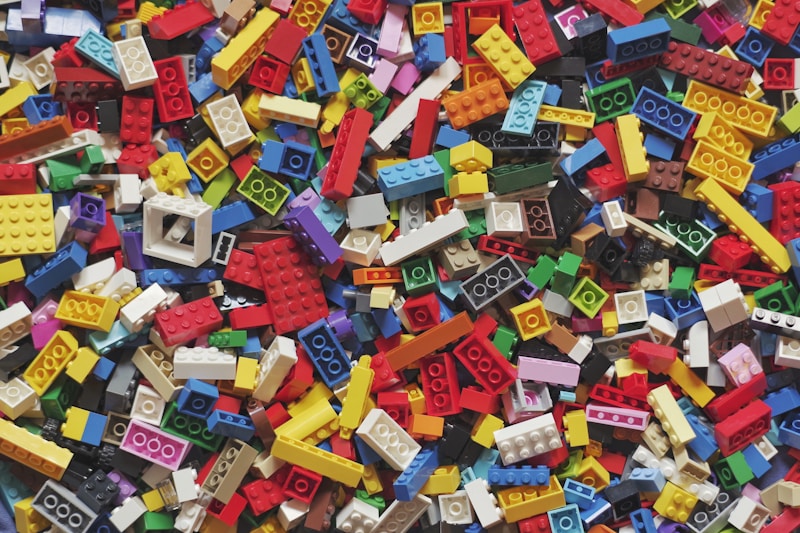
Reggio classrooms are known for light tables, loose parts, and building materials that have no single "right" use. If your child is in a Reggio-inspired program, or you are curious about the approach, a few of the same open-ended materials at home let them keep exploring the way they do at school. These are the classroom staples that translate best to a home play space:

Guidecraft LED Activity Tablet (Light Pad)
A tabletop LED light pad with a hardwood beech frame and a 12 x 16 inch evenly lit play surface, from a classroom furniture brand. Children explore light, color, and shadow with translucent objects, tracing, and natural materials. Ages 3 and up.
Check price on Amazon
MAGNA-TILES Classic 100-Piece Set
The original magnetic building tiles in a 100-piece set. Translucent colors glow on a light table, and children build, sort, and design with them for years.
Check price on Amazon
Candywood Rainbow Wooden Loose Parts Set (162 Pieces)
162 wooden loose parts in 7 shapes and 27 colors for sorting, patterning, and small-world play. The seller lists ASTM and CPSIA testing and a CPC certificate. Loose parts are small, so they suit children past the mouthing stage.
Check price on AmazonTo pair with a light table, Constructive Playthings Translucent Color Blocks (under $50, 50 pieces in a storage box) are a classroom favorite for color mixing and stacking. For more on setting up a home space, see the Supporting Reggio at Home section below, and for day-one gear if your child is starting a program, see our best nap mat for daycare guide.
As an Amazon Associate, we earn from qualifying purchases. Picks are researched from manufacturer specs and owner reviews, not hands-on testing.
What Is the Reggio Emilia Approach?
Origins and Philosophy
History: Developed in Reggio Emilia, Italy after World War II by educator Loris Malaguzzi and parents who wanted to build a new kind of education for their children.
Core philosophy: Children are competent, curious, and full of potential. They construct their own learning through exploration, expression, and relationships.
The "image of the child":
- Children are strong, capable, and resourceful
- Children are active protagonists of their own learning
- Children have rights (to be heard, to express, to learn)
- Every child has unique potential
Key Principles
The Hundred Languages of Children: Children express themselves in many ways - not just words, but through art, movement, drama, music, building, and more. All forms of expression are valued equally.
Environment as the "Third Teacher": The physical space is intentionally designed to inspire learning, with natural light, order, beauty, and materials that invite exploration.
Emergent Curriculum: Learning emerges from children's interests rather than following a predetermined plan. Teachers observe, listen, and build curriculum around what engages children.
Documentation: Teachers document children's learning through photos, notes, transcripts, and displays - making thinking visible and valuing the learning process.
Relationships: Learning happens through relationships - between children, teachers, families, and community. Collaboration is central.
The Role of Parents: Families are partners in education, not just recipients of services. Parent involvement is woven into the fabric of the program.
What Reggio Looks Like in Practice
The Environment
Physical characteristics:
- Natural light prioritized
- Neutral, calm color palette
- Natural materials (wood, metal, glass, fabric)
- Mirrors and reflective surfaces
- Plants and natural elements
- Beautiful, intentional aesthetics
- Documentation displayed throughout
- Atelier (art studio) central to space
Learning materials:
- Open-ended "loose parts" (natural objects, found items)
- Art materials always accessible
- Real tools and materials (not plastic replicas)
- Collections of interesting objects
- Materials organized and displayed beautifully
Organization:
- Distinct areas for different exploration
- Cozy spaces for small groups
- Large spaces for community gathering
- Indoor-outdoor flow when possible
- Piazza (gathering space) as heart of school
The Teachers' Role
Teacher as researcher:
- Observing children closely
- Asking questions that extend thinking
- Documenting and reflecting
- Collaborating with colleagues
- Continuously learning
Not directing, but guiding:
- Following children's interests
- Providing provocations (invitations to explore)
- Scaffolding without taking over
- Asking genuine questions
- Respecting children's ideas
Collaboration:
- Teaching teams work together
- Regular meeting time for reflection
- Shared decision-making
- Professional development culture
Project Work
Long-term projects:
- Emerge from children's interests
- Can last weeks or months
- Deep exploration of a topic
- Multiple forms of expression
- Children as co-constructors
Example project: Children notice a puddle on the playground. This leads to:
- Observing and drawing puddles
- Experimenting with water flow
- Reading about rain and weather
- Creating a sculpture about water
- Writing stories about puddles
- Investigating where water goes
What projects are NOT:
- Teacher-imposed themes
- Predetermined outcomes
- Craft projects on a topic
- Surface-level exploration
Documentation
What gets documented:
- Children's words and conversations
- Photographs of process
- Video of interactions
- Children's work and artwork
- Teacher reflections
How documentation is used:
- Displayed for children and families
- Used for teacher reflection and planning
- Shows learning journey
- Values process over product
- Makes thinking visible
Documentation panels: Large displays showing a project's progression with photos, transcripts, and children's work.

Reggio vs. Other Approaches
Reggio Emilia vs. Montessori vs. Waldorf
| Aspect | Reggio Emilia | Montessori | Waldorf |
|---|---|---|---|
| Core idea | Children co-construct learning through projects and expression | Self-directed learning in a prepared environment | Imagination-based learning through rhythm and imitation |
| Curriculum | Emergent, follows children's interests | Child-chosen from a fixed sequence of works | Teacher-led rhythm of seasonal and artistic activities |
| Materials | Open-ended loose parts, real tools, art always accessible | Specific, self-correcting Montessori materials | Natural, simple toys; no plastic, no screens |
| Academics | Embedded in project work | Self-paced, can begin early | Delayed until around age 7 |
| Structure | Low external structure, deep project focus | High structure within free choice | High structure through daily and seasonal rhythm |
| Group work | Highly collaborative | Mostly individual work | Whole-group, imitation-based |
| Teacher role | Co-researcher who documents and extends | Guide and observer | Storyteller and model to imitate |
| Assessment | Documentation panels, portfolios | Mastery observation | Narrative observation |
For deeper dives, see our Montessori schools guide, Waldorf preschool guide, and the childcare curriculum types overview.
Reggio vs. Montessori
| Aspect | Reggio Emilia | Montessori |
|---|---|---|
| Materials | Open-ended, varied | Specific, designed materials |
| Curriculum | Emergent from children | Child-chosen from fixed options |
| Art emphasis | Central to learning | Purposeful, structured |
| Documentation | Extensive | Less formal observation |
| Group work | Highly collaborative | More individual |
| Teacher role | Co-researcher | Guide/observer |
| Environment | Aesthetically intentional | Ordered, prepared |
Both value:
- Child-centered approach
- Respect for children
- Thoughtful environments
- Hands-on learning
Reggio vs. Traditional Preschool
| Aspect | Reggio Emilia | Traditional |
|---|---|---|
| Curriculum | Emergent | Planned/themed |
| Art | Central, process-focused | Often product-oriented |
| Learning | Project-based | Activity-based |
| Assessment | Documentation | Checklists, milestones |
| Parent role | Partners | Recipients |
| Environment | Intentional design | Functional |
Reggio vs. Play-Based
Similarities:
- Both value play
- Both are child-centered
- Both emphasize process
Differences:
- Reggio has more intentional documentation
- Reggio emphasizes long-term projects
- Reggio has specific environmental principles
- Teacher research role is more defined
Finding and Evaluating Programs
"Reggio-Inspired" vs. Authentic Reggio
Important to know: The Reggio approach is a philosophy, not a franchise. There's no certification or accreditation. Any program can call itself "Reggio-inspired."
What to look for: True commitment to Reggio principles, not just aesthetic touches.
Signs of Authentic Practice
Environment:
- Thoughtfully designed, not just decorated
- Natural materials genuinely used
- Documentation visible throughout
- Beauty and aesthetics prioritized
- Light and nature incorporated
Teaching:
- Teachers can articulate the philosophy
- Evidence of emergent curriculum
- Documentation of learning in progress
- Collaborative teacher planning
- Ongoing professional development in Reggio
Relationships:
- Genuine parent partnership
- Children's voices visible
- Community connections
- Respectful interactions
Projects:
- Evidence of long-term exploration
- Children's interests driving work
- Multiple forms of expression
- Depth over breadth
Red Flags
Watch for:
- Only aesthetic elements (pretty materials, no depth)
- Predetermined themes with Reggio label
- No visible documentation
- Teachers can't explain the approach
- Children's work looks uniform
- No evidence of project work
- Surface-level "Reggio look" without philosophy
Questions to Ask
About philosophy:
- How do you describe the Reggio approach?
- How does curriculum emerge from children's interests?
- How do you document learning?
- What does project work look like here?
About practice:
- Can you show me documentation of a recent project?
- How are families involved?
- What training have teachers had in Reggio?
- How do teachers plan and collaborate?
About specifics:
- What does a typical day look like?
- How do you balance child interests with school readiness?
- How long do projects typically last?
- How are decisions made about curriculum?
Is Reggio Right for Your Child?
Children Who May Thrive
Good fit for:
- Creative, artistic children
- Children who like open-ended exploration
- Collaborative children
- Children who go deep on interests
- Those who communicate in many ways
Also works for:
- Most children, honestly
- The approach is designed to meet all children
- Individual strengths are valued
- Multiple intelligences recognized
Potential Considerations
Think carefully if:
- You want highly structured academic prep
- Your child needs clear routines and expectations
- You're concerned about kindergarten readiness
- Limited Reggio options in your area
But note:
- Good Reggio programs do prepare children academically
- Structure exists within the approach
- Children from Reggio programs do well in school
- It's about finding quality implementation
Family Fit
Works well if:
- You value creativity and expression
- You want to be actively involved
- You appreciate process over product
- You're comfortable with less traditional approaches
- You value child-led learning
Consider carefully if:
- You want formal academics early
- Limited ability to participate
- Very structured expectations
- Uncomfortable with ambiguity
Supporting Reggio at Home
Creating a Reggio-Inspired Environment
Materials:
- Open-ended toys and materials
- Natural items (shells, stones, sticks)
- Art supplies always accessible
- Collections of interesting objects
- Loose parts for building and creating
Space:
- Areas for different activities
- Child-height storage and access
- Natural elements
- Beauty and order
- Fewer, more meaningful items
Following Your Child's Interests
At home:
- Notice what captures attention
- Ask open-ended questions
- Extend exploration (books, outings, materials)
- Document together (photos, drawings)
- Allow deep exploration over time
Example: Child is interested in birds. You might:
- Observe birds together at a window
- Get bird books from library
- Set up a bird feeder
- Draw and paint birds
- Visit a nature center
- Create bird sculptures
- Learn bird songs
Documenting Learning
Simple home documentation:
- Photo journal of activities
- Saving artwork and creations
- Writing down children's words
- Creating scrapbooks of interests
- Displaying work respectfully
Key Takeaways
Reggio is a philosophy, not a curriculum:
- Focus is on how children are viewed
- Principles guide practice
- Each school interprets differently
The approach values:
- Children as capable and competent
- Many ways of expressing and learning
- Environment as a teacher
- Emergent, project-based curriculum
- Documentation of learning
- Relationships and collaboration
When evaluating programs:
- Look beyond aesthetics
- Ask about practice
- See documentation in action
- Assess teacher knowledge
- Visit and observe
For your child:
- Consider temperament and learning style
- Consider family values
- Quality of implementation matters most
- Most children can thrive in good Reggio programs
The Reggio Emilia approach offers a beautiful, research-based philosophy of early childhood education that honors children's competence and creativity. When implemented well, it creates joyful, engaged learners who are prepared not just for school, but for a lifetime of curiosity and growth. Find a program that truly embodies the principles, and your child will benefit from one of the most respected early childhood approaches in the world.
This guide is researched information, not professional advice. Visit programs in person and ask how they apply Reggio principles day to day.
Getting ready for daycare?
Our most-used gear guides cover the three things nearly every center asks families to bring on day one.
Related curriculum guides:
Frequently Asked Questions
What is the Reggio Emilia approach?+
The Reggio Emilia approach is a child-centered early childhood education philosophy developed in Reggio Emilia, Italy after World War II by educator Loris Malaguzzi and local parents. It views children as competent, curious, and capable of constructing their own learning through exploration, creative expression, and relationships. Its hallmarks are an emergent curriculum built around children's interests, long-term project work, extensive documentation of learning, beautiful intentionally designed environments, and deep parent partnership.
What are the main principles of the Reggio Emilia approach?+
The core Reggio Emilia principles are: the image of the child as strong and capable; the hundred languages of children, meaning children express learning through art, movement, music, building, and words equally; the environment as the third teacher; an emergent curriculum that follows children's interests; documentation that makes learning visible through photos, transcripts, and displays; and learning through relationships, with families as genuine partners in education.
What is the difference between Reggio Emilia, Montessori, and Waldorf?+
Reggio Emilia uses an emergent, project-based curriculum with open-ended materials and heavy documentation, and learning is highly collaborative. Montessori uses specific designed materials in a prepared environment where children work individually at their own pace, with academics self-paced from early on. Waldorf emphasizes imagination, rhythm, and routine with natural toys and storytelling, delays formal academics until around age seven, and avoids screens. All three are child-centered; they differ most in materials, structure, and when academics begin.
Is the Reggio Emilia approach play-based?+
Yes, Reggio Emilia is a play-based, child-led approach, but it goes further than typical play-based programs. Teachers act as researchers who observe play, document it, and extend children's interests into long-term projects that can run for weeks or months. So while children learn through play and exploration, the environment, documentation, and project work are more intentional than in a general play-based preschool.
Does Reggio Emilia prepare children for kindergarten?+
Well-implemented Reggio Emilia programs do prepare children for kindergarten. Literacy, math, and science are embedded in project work rather than taught through worksheets, and children build strong language, problem-solving, and social skills. If school readiness is a concern, ask a specific program how it balances child-led projects with pre-academic skills, since quality of implementation matters more than the label.
Written by
ChildCarePath Team
Our team is dedicated to helping families find quality child care options through well-researched guides and resources.
Related Guides
Waldorf Preschool & Daycare: Complete Guide to Steiner Education 2026
What is Waldorf early childhood education? Philosophy, play-based approach, delayed academics, what to expect, pros and cons, and how to find authentic Waldorf programs.
Co-Op Preschool Guide: How Parent Cooperative Programs Work 2026
Everything about co-op preschools: how they work, parent participation requirements, costs, pros and cons, and how to know if a cooperative preschool is right for your family.
STEM Preschool Programs: Early Science & Math Education Guide 2026
What is STEM preschool? How young children learn science, technology, engineering, and math through play. Finding quality programs, activities, and when STEM focus matters.
Outdoor & Nature Preschools: Complete Guide to Forest Schools 2026
Everything about outdoor preschools, forest schools, and nature-based early education. Benefits, what to expect, weather considerations, and finding programs near you.
Bilingual & Language Immersion Daycare: Complete Guide for Parents 2026
Benefits of bilingual daycare and language immersion programs. How children learn languages, what to look for, Spanish, Mandarin, and other language options for your child.
Daycare vs Preschool: Understanding the Real Differences in 2026
What's the difference between daycare and preschool? Hours, curriculum, costs, ages, and which is right for your child. Complete comparison guide for parents.