Outdoor & Nature Preschools: Complete Guide to Forest Schools 2026
Everything about outdoor preschools, forest schools, and nature-based early education. Benefits, what to expect, weather considerations, and finding programs near you.
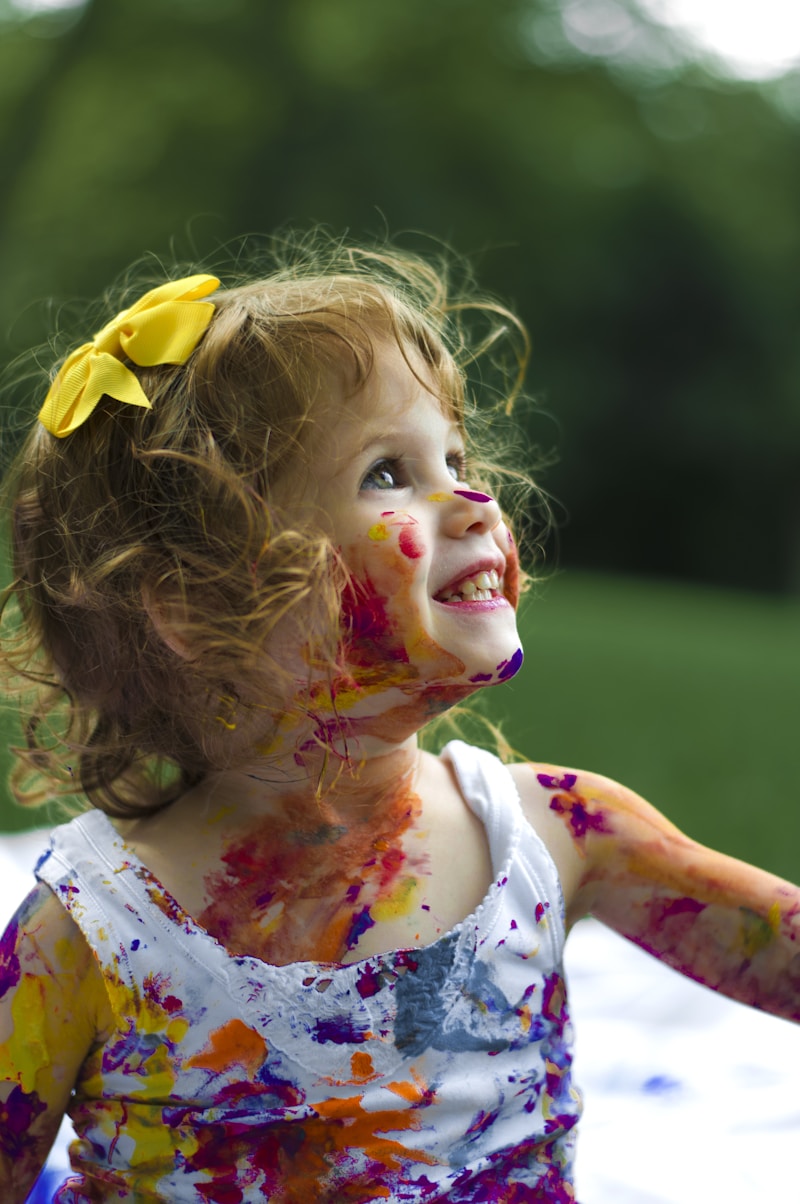
While most preschoolers spend their days inside classroom walls, a growing movement is taking children outdoors—rain, shine, or snow. Nature preschools and forest schools immerse young children in the natural world, believing that the best classroom has no ceiling.
If you've heard about outdoor preschools and wondered what they're really like, whether they're right for your child, or how learning happens without worksheets and walls, this guide has your answers.
What Are Nature and Forest Schools?
Defining the Terms
Nature Preschool: A licensed early childhood program where the natural outdoor environment is the primary classroom. Children spend most or all of their day outside, with nature integrated into all learning.
Forest School: Originally from Scandinavia, forest schools are child-led outdoor programs focused on play, exploration, and developing a relationship with nature. Often emphasize regular visits to a wooded area.
Outdoor Preschool: General term for any preschool emphasizing outdoor time and nature connection, ranging from nature-enhanced traditional programs to full outdoor immersion.
Key characteristics:
- Significant time outdoors (often 80-100% of the day)
- Nature as the classroom and curriculum
- Child-led, play-based learning
- All-weather philosophy
- Risk-taking and physical challenge
- Environmental education
The Philosophy
Core beliefs:
- Children learn best through direct experience with nature
- Risk-taking builds confidence and competence
- Free play develops creativity and problem-solving
- Connection to nature is essential for child development
- Less is more—simple materials, complex play
Origins:
- Scandinavian outdoor kindergartens (1950s)
- German "waldkindergarten" (forest kindergartens)
- Growing movement in US, UK, and worldwide
- Response to "nature deficit disorder" concerns
What Happens at Nature Preschool?
A Typical Day
Morning gathering:
- Children and teachers meet at base camp
- Weather discussion and preparation
- Songs, stories, or check-in
- Plan for the day
Exploration time:
- Hiking to various locations
- Free play in nature
- Child-led investigations
- Small group activities
Nature-based activities:
- Building with natural materials
- Observing plants and animals
- Mud play and water exploration
- Climbing and physical challenges
- Art with natural materials
Circle time outdoors:
- Stories and songs
- Discussions about discoveries
- Sharing and reflection
Snack and meals:
- Often outdoors
- Simple, portable foods
- Sometimes cooking over fire
- Clean-up and leave-no-trace practices
Rest time:
- May include quiet outdoor time
- Some programs have indoor shelter option
- Hammocks, sleeping bags, or ground mats
Activities and Learning
Physical development:
- Climbing trees and rocks
- Balancing on logs
- Running on uneven terrain
- Fine motor through nature crafts
- Gross motor through active play
Cognitive development:
- Counting and sorting natural objects
- Patterns in nature
- Scientific observation
- Problem-solving challenges
- Cause and effect exploration
Language and literacy:
- Outdoor storytelling
- Nature journaling
- Vocabulary from natural world
- Discussions and descriptions
Social-emotional development:
- Cooperative play
- Risk assessment
- Emotional regulation
- Group problem-solving
- Building resilience
Creative expression:
- Land art and nature art
- Imaginative play with loose parts
- Music with natural instruments
- Drama and storytelling
Benefits of Nature-Based Education
Research-Backed Benefits
Physical health:
- More physical activity than indoor programs
- Improved gross motor skills
- Reduced obesity risk
- Vitamin D from sunlight
- Stronger immune systems (some evidence)
Mental health:
- Reduced stress and anxiety
- Lower rates of ADHD symptoms
- Improved mood and well-being
- Greater emotional regulation
- Reduced aggression
Cognitive development:
- Enhanced creativity and imagination
- Better problem-solving skills
- Improved concentration
- Increased curiosity and love of learning
- Strong executive function
Social development:
- Cooperative play skills
- Conflict resolution
- Empathy and caring for living things
- Community building
- Less social hierarchy than indoor settings
Environmental connection:
- Love of nature and outdoors
- Environmental awareness and stewardship
- Understanding of natural systems
- Long-term connection to outdoors
Unique Advantages
Risky play:
- Children learn to assess and manage risk
- Build confidence through challenge
- Develop physical competence
- Fewer injuries than expected (some research shows)
Child-led learning:
- Follows children's interests
- Encourages intrinsic motivation
- Respects individual pace
- Builds independence
Less stuff, more imagination:
- Simple natural materials
- Open-ended play
- Less consumer-oriented environment
- Creativity flourishes
Gender-neutral play:
- Outdoor environment is inherently neutral
- Less gendered toys and activities
- Equal physical challenges
- Diverse play styles welcomed
Concerns and Considerations
Weather and Safety
All-weather approach: Most nature preschools follow the saying: "There's no bad weather, only bad clothing."
Cold weather:
- Layering system for warmth
- Specific gear requirements
- Base camp or shelter for extreme cold
- Activity keeps children warm
- Indoor options for dangerous conditions
Wet weather:
- Rain gear (jacket, pants, boots)
- Mud play is embraced
- Shelter available if needed
- Dry clothes for changes
- Hypothermia awareness and prevention
Hot weather:
- Shade is sought
- Plenty of water
- Sun protection
- Activity modification
- Heat monitoring
Safety protocols:
- Regular head counts
- Boundary setting and awareness
- Wildlife and plant education
- First aid trained staff
- Emergency procedures
Is My Child Ready?
Children who thrive:
- Love being outdoors
- Physically active and adventurous
- Curious about nature
- Adaptable to changing conditions
- Handle some discomfort
May need transition support:
- Very cautious children
- Children with sensory sensitivities
- Those unfamiliar with outdoor play
- Children who need more structure
Not about "type" of child:
- Many children surprise parents
- Adaptation happens
- Teachers support transitions
- Most children can thrive with support
Academic Preparation
Common concern: "Will my child be ready for kindergarten without worksheets and instruction?"
Evidence says:
- Nature preschool graduates are well-prepared
- Pre-academic skills develop through play
- Executive function (key to learning) is enhanced
- Love of learning is preserved
- Any gaps quickly close in kindergarten
What they learn:
- Counting, sorting, patterns (with natural materials)
- Pre-literacy through storytelling and discussion
- Science through direct observation
- Social skills through play
- Problem-solving and persistence
Questions to ask programs:
- How do you address kindergarten readiness?
- How do graduates perform in elementary school?
- What pre-academic experiences do you provide?
- How do you communicate about development?

Finding and Evaluating Programs
Where to Look
Resources:
- Natural Start Alliance (naturalstart.org)
- Eastern Region Association of Forest Schools
- State licensing databases
- Local nature centers
- Word of mouth in outdoor-parenting communities
Types of programs:
- Licensed nature preschools
- Forest school programs (may be unlicensed)
- Nature-based daycares
- Hybrid programs (outdoor focus + indoor option)
- Homeschool co-ops with outdoor focus
Questions to Ask
About the program:
- What percentage of time is spent outdoors?
- What's your approach in extreme weather?
- Where do you go? Is it always the same location?
- What's your philosophy and approach?
- Are you licensed?
About safety:
- What's your staff-to-child ratio?
- What safety training do staff have?
- How do you handle emergencies?
- What wildlife and plant hazards exist?
- What are your boundary and supervision practices?
About teachers:
- What training do teachers have?
- Are they outdoor education specialists?
- What's their early childhood background?
- How long have they been with the program?
About practical matters:
- What gear do we need to provide?
- What happens if my child is cold/wet/uncomfortable?
- Is there any indoor space?
- How do you handle bathrooms?
- What's the schedule?
Quality Indicators
Strong programs have:
- Trained, experienced staff
- Clear safety protocols
- Thoughtful curriculum (even if child-led)
- Strong communication with families
- Appropriate ratios
- Adequate gear and equipment
- Positive reputation among alumni
Be cautious if:
- Unlicensed without good reason
- Teachers lack outdoor or early childhood training
- No clear safety procedures
- Dismissive of parent concerns
- No shelter or bad-weather plan
Preparing Your Child
Before Starting
Build outdoor time:
- Increase outdoor play at home
- Experience various weather
- Build stamina for walking and activity
- Expose to mud, water, and mess
Gear preparation:
- Get required clothing
- Practice dressing in layers
- Let child try out rain gear
- Comfortable, sturdy footwear
Mental preparation:
- Read books about nature and outdoor play
- Talk positively about the experience
- Visit the location if possible
- Meet teachers beforehand
Essential Gear
Typical gear list:
| Weather | Layers |
|---|---|
| Cold | Base layer, fleece, insulated jacket, warm hat, mittens, boots |
| Rain | Rain jacket, rain pants, waterproof boots |
| Warm | Comfortable clothing, sun hat, closed-toe shoes |
Must-haves:
- Waterproof, breathable rain gear
- Warm, waterproof winter gear
- Sturdy closed-toe shoes/boots
- Extra clothes for changes
- Backpack for gear
Where to buy:
- Outdoor retailers (REI, Patagonia, etc.)
- European brands (Reima, Polarn O. Pyret, Helly Hansen)
- Secondhand outdoor gear
- Program may have recommendations
The Transition Period
What to expect:
- Adjustment to being outdoors all day
- Possible tiredness initially
- Dirty clothes (embrace it!)
- Growing confidence over time
- New interests in nature
Supporting your child:
- Listen without judgment
- Validate any discomfort while encouraging persistence
- Celebrate discoveries and adventures
- Connect at home about nature experiences
- Be patient with the adjustment
Is Nature Preschool Right for You?
Good Fit Signs
Consider if:
- You value outdoor time and nature connection
- Your child loves being outside
- You're okay with mess and dirty clothes
- You believe in play-based learning
- You want an alternative to traditional settings
- You're willing to invest in gear and commitment
Consider Carefully If
Think twice if:
- You need long hours (many programs are part-day)
- You want academic instruction emphasis
- Significant medical needs require indoor environment
- You're very risk-averse (honest self-assessment)
- No quality programs exist in your area
Hybrid Options
If full immersion isn't right:
- Programs with indoor and outdoor components
- Traditional preschool with nature emphasis
- Supplementary forest school programs
- Weekend and summer nature programs
- Homeschool with outdoor focus
Key Takeaways
Nature preschools offer unique benefits:
- Physical, mental, and cognitive advantages
- Connection to natural world
- Child-led, play-based learning
- Resilience and confidence building
They're different, not inferior:
- Academic preparation happens through play
- Kindergarten readiness is typically strong
- Different approach, similar (or better) outcomes
Practical considerations:
- Gear investment required
- Weather commitment needed
- May be part-day only
- Finding programs can be challenging
The decision is personal:
- Consider your child's temperament
- Consider your family's values
- Consider what's available
- Trust your instincts
If the idea of your child spending their preschool years exploring forests, climbing trees, and learning through mud puddles and pinecones speaks to you, a nature preschool might be exactly right. These programs offer something increasingly rare in our screen-filled, scheduled world: the chance for children to be children, outdoors, learning through the most natural classroom of all.
Related guides you may find helpful:
- Daycare to Kindergarten: Complete Transition Gu...
- Co-Op Preschool Guide: How Parent Cooperative P...
- Reggio Emilia Approach: Understanding This Chil...
- How to Choose the Best Preschool for Your Child
What every centre asks you to bring
Whatever else changes between programmes, the supply list barely does. These four turn up on nearly every one.

Wildkin Nap Mat with Pillow and Blanket
Mat, blanket and removable pillow in one roll, and it is machine washable, which is what decides whether a mat survives a year of daily use.
Check price on Amazon
Skip Hop Sparks Kid's Backpack
Sized for a preschooler rather than a school-age child, so it actually fits a classroom cubby.
Check price on Amazon
Yumbox Original Leakproof Bento Lunch Box
Leakproof compartments a small child can open unaided, which is the whole test for a daycare lunch.
Check price on Amazon
Name Bubbles Custom Name Labels (95 Labels)
Ninety-five waterproof labels in six sizes. Every centre requires everything named, and this covers a full year.
Check price on AmazonWritten by
ChildCarePath Team
Our team is dedicated to helping families find quality child care options through well-researched guides and resources.
Related Guides
Waldorf Preschool & Daycare: Complete Guide to Steiner Education 2026
What is Waldorf early childhood education? Philosophy, play-based approach, delayed academics, what to expect, pros and cons, and how to find authentic Waldorf programs.
Co-Op Preschool Guide: How Parent Cooperative Programs Work 2026
Everything about co-op preschools: how they work, parent participation requirements, costs, pros and cons, and how to know if a cooperative preschool is right for your family.
Reggio Emilia Approach: Complete Guide to This Preschool Philosophy 2026
What is Reggio Emilia preschool? Understand this child-centered approach, how it differs from Montessori, what to look for in programs, and whether it's right for your child.
STEM Preschool Programs: Early Science & Math Education Guide 2026
What is STEM preschool? How young children learn science, technology, engineering, and math through play. Finding quality programs, activities, and when STEM focus matters.
Bilingual & Language Immersion Daycare: Complete Guide for Parents 2026
Benefits of bilingual daycare and language immersion programs. How children learn languages, what to look for, Spanish, Mandarin, and other language options for your child.
Daycare vs Preschool: Understanding the Real Differences in 2026
What's the difference between daycare and preschool? Hours, curriculum, costs, ages, and which is right for your child. Complete comparison guide for parents.