Potty Training at Daycare: The Complete Parent-Provider Partnership Guide for 2026
How to coordinate potty training between home and daycare. Age readiness, communication strategies, handling setbacks, and getting teachers on your team. Evidence-based approaches.
Potty training is challenging enough at home. Add a daycare environment with different bathrooms, different adults, and different expectations, and the complexity multiplies. Many parents wonder: Should daycare lead the training? Should we wait until we can do it at home? How do we keep things consistent across both settings?
The reality is that daycare can be either your greatest ally or your biggest obstacle in potty training—depending entirely on communication and coordination. This guide will help you partner with your daycare to make potty training a team effort that actually works.

Training goes faster when the setup at home matches what your child uses at daycare. These are the pieces that make the two consistent.

BabyBjörn Toilet Trainer
Sits on the full-size toilet, which is what most centers use once a child is past the standalone potty stage. Matching the daycare setup at home removes the single biggest source of regression.
Check price on Amazon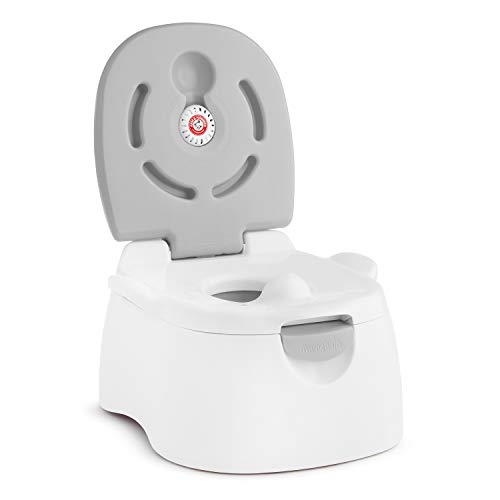
Munchkin Arm & Hammer Multi-Stage 3-in-1 Potty
Works as a standalone potty, a toilet seat reducer, and a step stool, so it covers the whole training arc instead of one phase of it.
Check price on Amazon
MooMoo Baby Cotton Training Pants (8-Pack)
Eight pairs of cotton training pants. Centers usually ask for a full change of clothes plus spares, and this is the quantity that gets you through a week.
Check price on Amazon
OXO Tot 2-in-1 Go Portable Potty
Folds flat for the diaper bag and works as both a standalone potty and a seat reducer, which covers the trips and errands where training usually falls apart.
Check price on AmazonUnderstanding Daycare Potty Training Policies
Before starting any potty training journey, understand what your daycare requires and offers.
Common Daycare Approaches
Provider-initiated training: Some daycares begin potty training at a set age (often 2 or 2.5) regardless of home status. They have established routines and expect children to participate.
Parent-initiated training: Other daycares follow the parent's lead entirely. They'll support whatever you're doing at home but won't initiate training.
Readiness-based approach: Many quality daycares assess individual readiness and initiate conversations with parents when they see signs.
Requirement for room transitions: Some centers require potty training for children to move to the older toddler or preschool room. Understand these timelines early.
Questions to Ask Your Daycare
About their approach:
- What is your potty training philosophy?
- At what age do you typically begin?
- Do you require potty training for any room transitions?
- Who initiates the process—parents or teachers?
About daily practices:
- How often do you take children to the bathroom?
- What words or phrases do you use for bathroom activities?
- Do you use potty chairs or regular toilets with seats?
- How do you handle accidents?
- What clothing do you recommend?
About communication:
- How will you keep me updated on bathroom usage?
- What information do you need from me?
- Who should I contact with questions or concerns?
- How do we handle inconsistencies between home and daycare?
What to Expect from Daycare
Realistic daycare capabilities:
What they CAN do:
- Take children to the bathroom on a regular schedule
- Encourage sitting on the potty
- Use consistent language
- Change wet/soiled clothes promptly
- Communicate daily progress
- Follow your general approach
What they CAN'T do:
- Provide one-on-one attention for potty training
- Use methods that require constant adult supervision
- Guarantee no accidents
- Make your child ready before they're ready
- Override biological development
Staffing reality: Daycare teachers are responsible for multiple children. They'll support potty training but can't provide the intensive, individual focus you can at home.
Assessing Readiness
Starting too early creates frustration for everyone. Here's how to know if your child is truly ready.
Physical Readiness Signs
Bladder and bowel control:
- Stays dry for 2+ hours during the day
- Has regular, predictable bowel movements
- Wakes from naps dry (sometimes)
- Shows physical awareness of needing to go
Motor skills:
- Can walk to and sit on potty independently
- Can pull pants up and down (with some help is okay)
- Has coordination to position themselves properly
Cognitive and Emotional Readiness Signs
Understanding:
- Knows words for bathroom activities
- Understands simple instructions
- Can follow 2-3 step directions
- Shows interest in the bathroom or toilet
Independence:
- Expresses desire for independence
- Shows interest in "big kid" behaviors
- Dislikes wet or soiled diapers
- Wants to imitate adults or older children
Communication:
- Can signal (verbally or physically) that they need to go
- Can communicate basic needs
- Understands cause and effect
Red Flags: Not Ready Yet
Hold off if your child:
- Is going through major transitions (new sibling, moving, starting daycare)
- Is in a strong "no" phase about everything
- Shows fear of the toilet or bathroom
- Has no awareness of wet/dirty diapers
- Is under 18 months (physical readiness is rare)
- Cannot follow simple instructions
- Has recently had a medical issue affecting bathroom habits
Average Readiness Ages
18-24 months: Early readiness signs may appear 24-30 months: Many children show readiness 30-36 months: Most children are ready 3+ years: Some children need more time; this is normal
Important: Boys often train later than girls (on average 2-3 months). Night training typically comes much later than day training (months to years).
Coordinating with Daycare: The Partnership Approach
Successful daycare potty training requires genuine partnership between parents and providers.
Having the Initial Conversation
When to talk:
- Before you start training at home
- When you notice readiness signs
- When daycare mentions readiness
- Well before any room transition deadlines
What to discuss:
- Readiness signs you've observed
- Your preferred approach and timeline
- Their approach and recommendations
- How you'll communicate daily
- What supplies to send
- Handling of accidents
Key mindset: You and the daycare are partners, not adversaries. Approach conversations collaboratively.
Creating Consistency
Agree on fundamentals:
Language: Use the same words for body parts and bathroom activities at home and daycare. If daycare uses "potty" and "pee pee," use those words at home too.
Schedule: Align bathroom attempts with daycare's schedule when possible. If daycare tries potty every hour, consider similar timing on weekends.
Rewards: Decide together on appropriate reinforcement. If daycare uses verbal praise only, avoid creating a sticker-and-candy system at home.
Clothing: Agree on appropriate attire. Easy-on, easy-off pants help everyone.
Accidents: Discuss how both settings will handle accidents—matter-of-factly, without shame.
What to Send to Daycare
Daily supplies:
- 4-6 pairs of underwear (during active training)
- 4-6 changes of pants
- 4-6 pairs of socks
- Extra shirts (for splashing or major accidents)
- Plastic bag for wet clothes
Training pants vs. underwear:
- Discuss with daycare what they prefer/require
- Some daycares require pull-ups during nap
- Others allow underwear all day
- Follow their guidance for their environment
Labeling: Label EVERYTHING. Clothes get mixed up constantly.
Communication Systems
Daily communication:
- Many daycares track bathroom attempts on daily sheets
- Ask for number of successes, accidents, and general observations
- Apps like Brightwheel or HiMama may include bathroom tracking
What you should share daily:
- How training is going at home
- Any new developments or setbacks
- Changes in sleep, diet, or stress that might affect training
- Questions or concerns
Weekly check-ins:
- Brief conversation at pickup
- Review of progress
- Adjustment of approach if needed
Potty Training Methods That Work with Daycare
Some potty training methods work better with daycare realities than others.
Methods Compatible with Daycare
Gradual training (most daycare-compatible):
- Introduce potty over weeks/months
- Scheduled bathroom attempts
- Slow transition from diapers to underwear
- Low pressure, high consistency
Why it works: Matches daycare's ability to provide consistent, scheduled bathroom breaks without intensive individual attention.
Child-led approach:
- Follow child's cues and interest
- Offer potty when they indicate need
- No forced sitting or schedules
- Progress at child's pace
Why it works: Respects individual readiness, reduces pressure on staff.
Methods Less Compatible with Daycare
Three-day intensive method:
- Constant watching for cues
- Immediate response to every signal
- Intensive one-on-one attention
- Full nudity or commando phase
Why it's challenging: Daycares can't provide the constant attention required. Consider doing intensive training over a long weekend or vacation, then transitioning to a gradual approach for daycare.
Elimination communication (EC):
- Starts in infancy
- Requires reading subtle cues
- Needs dedicated caregiver attention
- Timing-based approach
Why it's challenging: Most daycare ratios don't allow for this level of individual attention.
A Hybrid Approach
Many families find success with:
At home: More intensive attention when parents are available. Naked time on weekends, quick responses to cues, more experimentation.
At daycare: Scheduled bathroom attempts, consistent routine, pull-ups if needed for practicality.
The key: Accept that daycare training may look different from home training. What matters is consistency in language, expectations, and positive response to successes.
Handling Setbacks and Regression
Accidents and regression are normal parts of potty training, especially when children split time between environments.
Why Setbacks Happen
Common causes:
- Overstimulation at daycare
- Different bathroom environment
- Busy play (don't want to stop)
- New teachers or classroom changes
- Illness
- Stress at home
- Developmental leaps in other areas
- Simply not quite ready
How to Respond
At daycare:
- Ask teachers for observations (what time accidents happen, what precedes them)
- Ensure bathroom schedule is consistent
- Consider more frequent bathroom attempts
- Check that bathroom access isn't somehow limited
At home:
- Increase bathroom reminders
- Return to more frequent scheduled attempts
- Offer extra support without pressure
- Consider whether training started too early
Together:
- Communicate openly about what each setting is seeing
- Adjust approach collaboratively
- Resist blame—neither home nor daycare is "failing"
- Consider a brief pause if regression is significant
When Regression Signals Problems
Normal regression:
- Brief (days to a week or two)
- Connected to identifiable changes
- Responds to increased support
- Doesn't seem distressing to child
Concerning regression:
- Sudden and severe
- No identifiable cause
- Child shows fear or distress about bathroom
- Accompanied by other behavioral changes
- Doesn't respond to normal support
If concerning: Talk to your pediatrician. Rarely, regression can signal medical issues or other concerns that need attention.

Navigating Common Challenges
Challenge: "They Do Great at Daycare, Terrible at Home"
Why this happens:
- Daycare is more structured
- Peer pressure helps at daycare
- Home environment is more relaxed
- Child may test limits more with parents
Solutions:
- Implement daycare-style schedule at home
- Ask what specifically works at daycare (timing, language, setup)
- Create consistent routines for bathroom at home
- Reduce attention for accidents; increase for successes
Challenge: "They Do Great at Home, Terrible at Daycare"
Why this happens:
- Different bathroom setup
- Less one-on-one attention
- Overstimulating environment
- Different adults, different trust level
Solutions:
- Visit daycare bathroom with your child on a non-rushed day
- Ask about when accidents typically occur
- Ensure child is comfortable with daycare bathroom
- Consider whether child is actually asking to go (maybe too quietly)
Challenge: Daycare Wants to Rush Training
Signs of pressure:
- Pushing training before readiness
- Room transition contingent on training
- Making child feel shamed for accidents
- Requiring training on unrealistic timeline
How to respond:
- Have a direct conversation about readiness
- Ask for specific observations that suggest readiness
- Discuss developmental appropriateness
- If truly not ready, advocate for your child
- Consider whether this daycare's approach aligns with your values
Challenge: Daycare Seems Unsupportive
Signs of lack of support:
- Not following agreed-upon approach
- Inconsistent bathroom attempts
- Not communicating about progress
- Shaming child for accidents
How to respond:
- Have a clarifying conversation (assume miscommunication first)
- Put expectations in writing
- Request specific daily information
- Escalate to director if needed
- Consider whether this is the right environment for your child
Challenge: Potty Training and Nap Time
Common approach:
- Use pull-ups or training pants for nap
- Put child on potty before nap
- Change immediately after waking
- Don't expect nap-time dryness during early training
Night/nap training is different: Bladder control during sleep involves different developmental processes. Most children can day-train well before they're physiologically capable of staying dry while sleeping.
Timeline Expectations
Realistic Timeline
Active training period: 3-6 months for most children
Day training completion: Most children are reliably day-trained by 3-3.5 years
Occasional accidents: Normal for months after "completion," especially during illness, transitions, or distraction
Nap/night training: May lag day training by months to years; many 4-5 year olds still wear pull-ups to sleep
What "Trained" Actually Means
Trained doesn't mean:
- Never has accidents
- Can hold bladder indefinitely
- Needs no reminders ever
- Can handle every bathroom independently
Trained does mean:
- Usually recognizes need to go
- Can make it to bathroom in time most of the time
- Can use toilet with minimal assistance
- Accidents are occasional, not daily
Adjusting Expectations for Daycare
At daycare, expect:
- More scheduled bathroom use (less spontaneous self-initiation)
- Occasional accidents even after "training"
- Need for reminders from teachers
- Possible regression during transitions or illness
- Different pace than home training
Special Situations
Starting at a New Daycare During Training
Before starting:
- Discuss where you are in training process
- Share what's working
- Ask about their bathroom setup and schedule
- Plan for possible regression
During transition:
- Send extra clothes
- Lower expectations temporarily
- Communicate daily
- Allow adjustment period
After settling in:
- Resume previous expectations gradually
- Coordinate approach with new teachers
- Celebrate progress
Training Multiples
When training twins or multiples:
- Children may be ready at different times
- Avoid comparing children
- Each child needs individual approach
- Daycare may need extra supplies
- Communicate each child's status separately
Special Needs Considerations
Children with developmental delays or special needs:
- May need modified readiness criteria
- Timeline may be extended
- Require specialized approaches
- Need extra daycare communication
- May benefit from specialist guidance (occupational therapist, developmental pediatrician)
Work with your care team: If your child has an IEP or receives therapies, include potty training in their plan if appropriate.

Supporting Your Child Emotionally
Building Confidence
Focus on effort, not outcomes:
- "You tried sitting on the potty! Great job!"
- "You told me you needed to go! That's so helpful!"
- "Oops, accident. Let's get cleaned up and try again."
Celebrate successes appropriately:
- Genuine enthusiasm (not over-the-top)
- Specific praise ("You made it to the potty!")
- Avoid material rewards escalating
Normalize accidents:
- "Everyone has accidents when they're learning."
- "Your body is still practicing."
- "Next time you might make it."
Avoiding Shame
Never:
- Punish accidents
- Express disgust
- Compare to other children
- Shame in front of peers
- Announce accidents publicly
Always:
- Handle accidents matter-of-factly
- Maintain child's dignity
- Clean up without fuss
- Focus on next attempt, not failure
Handling Fear and Resistance
If child is afraid of toilet:
- Use potty chair instead
- Let them observe (siblings, parents)
- Read books about potty training
- Don't force sitting
- Address specific fears directly
If child refuses to try:
- Back off pressure completely
- Make bathroom positive (books, songs)
- Wait for renewed interest
- Consider whether timing is wrong
Tips for Working Parents
Morning Routines
Build in bathroom time:
- Potty attempt before getting dressed
- Second attempt before leaving
- Don't rush—pressure creates resistance
Pack efficiently:
- Have daycare bag pre-packed with extras
- Keep spare clothes in car
- Use pull-ups for commute if needed during early training
Evening Routines
After pickup:
- Immediate bathroom attempt
- Ask about daycare bathroom experiences (matter-of-factly)
- Review communication from teachers
Before bed:
- Regular bathroom routine
- Positive conversation about training progress
- Address any concerns gently
Weekend Intensive
Using weekends strategically:
- More focused training when you have time
- Naked or commando time if that helps
- Practice new skills learned at daycare
- Reset after tough weeks
Key Takeaways
Before starting:
- Assess genuine readiness (not just age)
- Understand daycare's approach and policies
- Have detailed coordination conversation
During training:
- Maintain consistent language and approach
- Communicate daily with daycare
- Send adequate supplies
- Handle accidents without shame
Expectations:
- Plan for 3-6 months of active training
- Accept that daycare training looks different
- Expect occasional accidents long after "completion"
- Night training is separate and later
Partnership:
- You and daycare are on the same team
- Regular communication prevents problems
- Adjust approach collaboratively
- Advocate for your child if needed
Emotional support:
- Celebrate effort, not just success
- Never shame
- Address fears gently
- Know when to pause and try again later
Potty training with daycare involvement requires more coordination than home-only training, but it can also provide consistency, peer modeling, and extra adult support. When parents and providers work together with realistic expectations and open communication, children succeed—at their own pace and in their own time.
Related guides you may find helpful:
Written by
ChildCarePath Team
Our team is dedicated to helping families find quality child care options through well-researched guides and resources.
Related Guides
BabyBjörn Smart Potty vs Toilet Trainer Seat: Which for Potty Training? (2026)
A floor potty lets a toddler get on and off alone; a toilet seat insert skips the second transition. Compare independence, cleaning and what most daycares are set up for.
Bentgo Chill vs OmieBox: Cold Lunch or Hot Lunch for Daycare? (2026)
Bentgo Chill keeps a cold lunch cold with removable ice packs; OmieBox adds an insulated thermos well for hot food. Compare capacity, leak resistance and daycare practicality.
Brother P-touch CUBE Plus Review: Labelling Everything for Daycare (2026)
A Brother P-touch CUBE Plus PT-P710BT review for parents: Bluetooth label printing up to 24 mm, laminated TZe tapes that survive the dishwasher, running tape cost, and cheaper label options.
Hatch Baby Sound Machine Review: Routine Builder, Subscription Attached (2026)
A Hatch Baby sound machine and night light review: app-controlled routines, sleep guides, the Hatch+ subscription after three months, safe volume for infants, and simpler alternatives.
Hatch Rest vs Yogasleep Dohm: Which Sound Machine for a Nursery? (2026)
Hatch Rest adds a night light, app control and routines; the Dohm is a mechanical fan that never loops. Compare sound quality, features and safe volume for a nursery.
Munchkin Miracle 360 vs NUK Learner Cup: Which First Cup? (2026)
The Miracle 360 drinks like an open cup with no spout; the NUK Learner keeps a soft spout. Compare spill resistance, dental guidance and which one daycare will accept.