Childcare for Only Children: Socialization and Choosing Care 2026
Best childcare options for only children. How daycare provides socialization, addressing only child concerns, choosing between group care and one-on-one, and supporting social development.
As the parent of an only child, you've probably heard the concerns: "Won't they be lonely?" "How will they learn to share?" "Don't they need siblings for socialization?" These questions can weigh heavily when choosing childcare.
The good news: only children do just fine—and childcare can be an excellent way to provide the peer interaction and social learning that might otherwise come from siblings. This guide explores how to choose childcare with your only child's needs in mind.

Understanding Only Children
Debunking Myths
The stereotypes aren't true: Research shows only children are NOT:
- More selfish
- Less well-adjusted
- Lacking social skills
- Lonelier
- Less successful
What research actually shows:
- Only children often have higher self-esteem
- Equal or better academic outcomes
- Similar social competence
- Strong adult relationships
- Successful careers and relationships
Where Childcare Fits
Childcare can provide:
- Regular peer interaction
- Learning to share and take turns
- Group play experiences
- Conflict resolution practice
- Social skill development
- Friendships outside family
But remember:
- Socialization happens many ways
- Childcare isn't the only option
- Quality of interaction matters more than quantity
- Your child will be fine either way
As an Amazon Associate, we earn from qualifying purchases.
Recommended Childcare Products
- Daycare Labels Pack - Waterproof labels for all your childs daycare supplies
- Diaper Bag Backpack - Spacious, organized backpack for daycare essentials
- Portable Diaper Caddy Organizer - Keep supplies organized at home and on the go
Childcare Options for Only Children
Group Daycare Centers
Pros for only children:
- Daily peer interaction
- Learning group dynamics
- Sharing and turn-taking built in
- Multiple friendships possible
- Exposure to different personalities
- Practice with conflict resolution
Cons:
- May be overwhelming for some
- Individual attention is less
- Must adapt to group schedule
- Less flexibility
Best for: Only children who are social, adaptable, or need more peer exposure.
Home Daycare (Family Childcare)
Pros for only children:
- Smaller group (often 6-12 kids)
- Mixed ages (like sibling groups)
- More home-like environment
- Close relationships with provider
- Some peer interaction without overwhelm
Cons:
- Fewer peers than center
- Mixed ages mean fewer same-age playmates
- Less structured socialization
Best for: Only children who prefer smaller groups or need transition to larger settings.
Nanny Care
Pros for only children:
- One-on-one attention
- Flexible and personalized
- Can schedule playdates
- Deep relationship with caregiver
- Focus on individual development
Cons:
- No built-in peer interaction
- Socialization requires active planning
- May reinforce comfort with adults
- Less experience with group dynamics
Best for: Families who can actively create social opportunities alongside.
Nanny Share
Pros for only children:
- Built-in playmate
- Close friendship opportunity
- Shared experiences
- Socialization without large group
- Individual attention possible
Cons:
- Only one peer
- Relationship with that specific child matters
- Less variety in social exposure
Best for: Only children who benefit from close, consistent friendship.
Preschool (Part-Time)
Pros for only children:
- Structured social learning
- Group activities and circle time
- School preparation
- Peer friendships
- Part-time may be less overwhelming
Cons:
- Limited hours
- May need supplemental care
- Less individual attention
Best for: Providing socialization specifically, especially combined with other care.

Prioritizing Socialization
What Socialization Actually Means
It's not just being around kids:
- Learning to take turns
- Handling conflict
- Understanding others' perspectives
- Making and maintaining friendships
- Cooperating toward goals
- Managing emotions in social settings
- Being flexible and adaptable
Quality matters more than quantity:
- Meaningful interactions beat large groups
- Adult-supported social learning helps
- Practice with resolution is key
- Diverse experiences over time
How Different Care Types Support Socialization
| Skill | Center | Home Daycare | Nanny | Preschool |
|---|---|---|---|---|
| Turn-taking | High | Medium | Low* | High |
| Group dynamics | High | Medium | Low* | High |
| Close friendships | Medium | High | Low* | Medium |
| Conflict resolution | High | Medium | Low* | High |
| Adult guidance | Lower | Higher | Highest | Medium |
*Can be addressed with intentional playdates and activities
If You Choose One-on-One Care
Add socialization through:
- Regular playdates (same kids weekly)
- Story time at library
- Music or movement classes
- Park visits at consistent times
- Playgroups
- Parent-child activities
- Sports or activity classes (when age-appropriate)
Make it consistent:
- Same kids regularly builds relationships
- Weekly activities better than sporadic
- Quality of interaction matters
- Supervised social learning helps
Choosing Based on Your Child's Temperament
The Social, Outgoing Only Child
May thrive in:
- Group daycare centers
- Larger home daycares
- Active preschool programs
Why:
- Gets energy from peer interaction
- Enjoys variety of playmates
- Adapts well to group dynamics
- May find one-on-one care understimulating
The Shy or Introverted Only Child
May thrive in:
- Smaller home daycare
- Nanny with planned playdates
- Part-time preschool (gradual exposure)
- Nanny share (one close friend)
Why:
- Smaller settings are less overwhelming
- Gradual social exposure works better
- Needs time to warm up
- Deep relationships vs. many acquaintances
The Sensitive Only Child
May thrive in:
- Lower-stimulation environments
- Consistent, predictable settings
- Warm, responsive caregivers
- Gradual introduction to groups
Why:
- Overstimulation is draining
- Needs calm to regulate
- Benefits from consistent relationships
- Quality of care especially important
The High-Energy Only Child
May thrive in:
- Active programs with outdoor time
- Larger spaces
- Structured physical activities
- Groups that allow movement
Why:
- Needs physical outlet
- Benefits from peer energy
- Structured activity helps channel energy
- May get understimulated in quieter settings
Age-Specific Considerations
Infants (0-12 months)
Socialization needs:
- Primarily need attachment to caregivers
- Peer interaction isn't developmentally critical yet
- Quality of adult care matters most
For only children:
- Don't stress about peer socialization yet
- Focus on responsive, loving care
- Group settings are fine but not necessary for social development
Toddlers (1-3 years)
Socialization needs:
- Parallel play (playing alongside, not with)
- Learning to share and take turns begins
- Exposure to other children is beneficial
For only children:
- Some peer exposure helps
- Group care starts to provide social benefits
- Still primarily need adult relationships
Preschoolers (3-5 years)
Socialization needs:
- Interactive play increases
- Friendships become meaningful
- Group dynamics matter
- School readiness includes social skills
For only children:
- Group settings provide significant value
- Learning to navigate peer relationships
- Preschool or daycare supports kindergarten readiness
- Consistent peer group helps

Supporting Your Only Child's Social Development
In Childcare
What to look for:
- Active facilitation of social skills
- Teaching sharing and turn-taking
- Conflict resolution support
- Friendship-building activities
- Cooperative play encouraged
- Individual attention to social development
Questions to ask:
- How do you support social skill development?
- How do you handle conflicts between children?
- What cooperative activities do you do?
- How do you help shy children engage?
- What do you do when a child struggles socially?
At Home
Complement childcare with:
- Discussing social situations
- Role-playing scenarios
- Reading books about friendships
- Hosting playdates
- Practicing sharing at home
- Talking about feelings
Build social opportunities:
- Regular activities with same kids
- Family friends with children
- Cousins and extended family
- Neighborhood connections
- Community programs
Throughout Childhood
Think long-term:
- Socialization continues throughout childhood
- Adjust as child develops
- Different stages have different needs
- Continue building social opportunities
- School provides significant socialization later
Common Concerns
"Will My Only Child Know How to Share?"
The reality:
- Sharing is learned, not innate
- All children need to learn this
- Group care teaches sharing naturally
- Home practice matters too
- Only children learn to share well with exposure
"Won't They Be Lonely?"
The reality:
- Loneliness isn't about sibling status
- Meaningful relationships prevent loneliness
- Quality of relationships matters
- Only children often have rich adult relationships
- Friendships can be cultivated
"Will They Be Too Adult-Oriented?"
The reality:
- Only children may be comfortable with adults
- This is actually a strength
- Peer exposure balances this
- Adult comfort serves them well in life
"Are They Missing Out on Sibling Bonds?"
The reality:
- Sibling relationships aren't automatically close
- Close friendships can be equally meaningful
- Family size is a valid choice
- What matters is love and connection
Key Takeaways
Only children do great:
- Research supports positive outcomes
- Social skills can be learned many ways
- Your child will be fine
Childcare provides value:
- Peer interaction
- Social skill practice
- Group dynamic experience
- Friendship opportunities
Choose based on child, not stereotype:
- Consider your child's temperament
- Think about what they need
- Don't force group care if overwhelmed
- Don't avoid groups if they'd thrive
Quality over quantity:
- Meaningful interactions matter most
- Consistency builds relationships
- Adult support enhances social learning
- Don't stress about optimization
Supplement any care type:
- No single arrangement does everything
- Add what's missing
- Build social opportunities intentionally
- It all adds up
Your only child will develop social skills through whatever care arrangement you choose—especially if you're thoughtful about supplementing what any single option might lack. Focus on what works for your family, your child's temperament, and your practical needs. The fact that you're thinking about this means you're already supporting your child's social development.
Related guides you may find helpful:
- Religious and Faith-Based Daycare: A Parent's C...
- Science Exploration at Daycare 2026
- Outdoor Learning at Daycare: Why Nature Matters...
- Backup Child Care: Emergency Options When Your ...
What every centre asks you to bring
Whatever else changes between programmes, the supply list barely does. These four turn up on nearly every one.

Makemake Organics Organic Cotton Nap Mat
GOTS-certified with a removable, machine-washable cover, which is what decides whether a mat survives a year of daily use.
Check price on Amazon
Skip Hop Sparks Kid's Backpack
Sized for a preschooler rather than a school-age child, so it actually fits a classroom cubby.
Check price on Amazon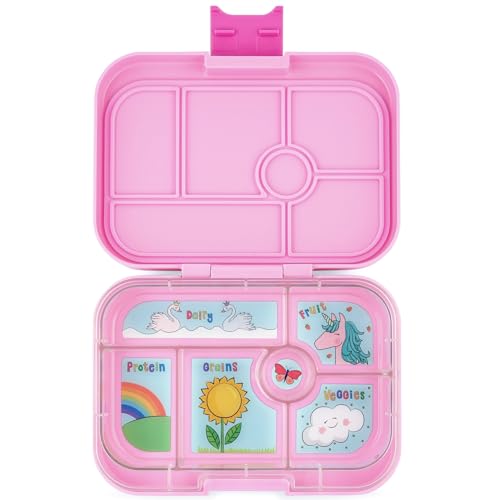
Yumbox Original Leakproof Bento Lunch Box
Leakproof compartments a small child can open unaided, which is the whole test for a daycare lunch.
Check price on Amazon
Name Bubbles Custom Name Labels (95 Labels)
Ninety-five waterproof labels in six sizes. Every centre requires everything named, and this covers a full year.
Check price on AmazonFree Life Insurance Quote
Free Life Insurance Quote for Parents
Childcare is one of the biggest line items in a young family's budget. Life insurance is how many parents make sure that care, and the rest of daily life, can keep going for their kids no matter what. Enter your details to start a free quote.
Daycare Starter Bundle
59 interview questions, safety checklist, evaluation worksheet, and transition guide.
Or get everything with the Ultimate Childcare Library ($79) — all 46 guides and toolkits included.
Written by
ChildCarePath Team
Our team is dedicated to helping families find quality child care options through well-researched guides and resources.
Related Guides
Back-to-School Daycare Checklist 2026: Everything to Buy Before Day One
The complete back-to-school shopping list for daycare and preschool: nap mat, backpack, lunch box, labels, and the big-ticket gear. Every item is a researched top pick with current prices.
Best Breast Pump for Going Back to Work 2026: Top Picks for Daycare Moms
The best breast pump for going back to work in 2026 is the Spectra S1 Plus. We compared 6 top pumps from Spectra, Elvie, Medela, Momcozy, and Willow for working and pumping moms.
Best Daycare Labels and Name Tags 2026: Top 8 Picks
Find the best daycare labels and name tags for 2026. We reviewed 8 top options—Mabel's Labels, Name Bubbles, Avery, and more—with a comparison table and buyer's guide.
Best Daycare Lunch Box 2026: Top 8 Picks for Toddlers and Preschoolers
Find the best daycare lunch box for your child in 2026. We researched 8 top-rated options—Bentgo, Yumbox, OmieBox, PlanetBox, and more—with a comparison table and buyer's guide.
Best Diaper Bag Backpack 2026: Top 8 Picks for Daycare Parents
Find the best diaper bag backpack for daycare in 2026. We reviewed 8 top options including Fawn Design, Skip Hop, Freshly Picked, JuJuBe, and UPPAbaby, organized by storage, comfort, and daily daycare use.
Best Kids Sunscreen for Daycare 2026: Top 8 Picks
Find the best kids sunscreen for daycare in 2026. We reviewed 8 top-rated options—Thinkbaby, Blue Lizard, Coppertone Kids, and more—for outdoor programs and sensitive skin.