Childcare for Newborns (0-3 Months): Complete Guide for New Parents
Need childcare for your newborn? Learn when to start, what to look for, and how to choose the best care option for your infant.
Finding childcare for a newborn is one of the most emotionally challenging decisions new parents face. Your baby is so tiny, so dependent—and you're supposed to hand them over to someone else?
This guide covers everything you need to know about newborn childcare: when to start, what options exist, and how to choose the right care for your family.
When Do Parents Typically Return to Work?
Return-to-Work Timeline
| Timeframe | Percentage of Parents | Notes |
|---|---|---|
| 6 weeks | 25-30% | Minimum medical leave |
| 8-12 weeks | 40-50% | Common FMLA timeline |
| 3-6 months | 15-20% | Extended leave (if available) |
| 6-12 months | 5-10% | Longer leave or phased return |
Reality check: Most American parents return to work before they feel ready—not because they want to, but because they have to.
Maternity/Paternity Leave Options
| Type | Duration | Paid? |
|---|---|---|
| FMLA | 12 weeks | Unpaid (job protected) |
| State paid leave | 6-12 weeks | Partial pay (select states) |
| Employer paid leave | 0-20 weeks | Varies widely |
| Short-term disability | 6-8 weeks | 50-70% pay |
As an Amazon Associate, we earn from qualifying purchases.
Recommended Baby Care Products
- Dr. Browns Natural Flow Bottles - Anti-colic bottles trusted by parents and caregivers
- Muslin Swaddle Blankets - Soft, breathable blankets for comfort at daycare
- White Noise Sound Machine - Helps babies sleep better during nap time
Childcare Options for Newborns
Option 1: Daycare Center (Infant Room)
Best for: Parents who want structured care with trained staff and oversight.
| Pros | Cons |
|---|---|
| Licensed and regulated | Waiting lists often 6+ months |
| Multiple caregivers | Higher illness exposure |
| Backup if one caregiver is sick | Fixed hours, less flexibility |
| Often lower cost than nanny | Age minimums vary (6 weeks-3 months) |
Age requirements: Most centers accept infants at 6 weeks. Some require 8-12 weeks.
Cost: $1,200-2,500/month depending on location.
Option 2: Home Daycare (Family Childcare)
Best for: Parents wanting smaller group size and home-like environment.
| Pros | Cons |
|---|---|
| Smaller group (4-8 kids) | Less oversight than centers |
| Mixed ages (can be nurturing) | One caregiver = no backup |
| Often more flexible hours | Quality varies widely |
| Usually less expensive | May have less infant experience |
Age requirements: Many accept from 6 weeks.
Cost: $900-1,800/month depending on location.
Option 3: Nanny
Best for: Parents wanting one-on-one care in their own home.
| Pros | Cons |
|---|---|
| Individualized attention | Most expensive option |
| Your home, your schedule | Finding quality is challenging |
| No exposure to other kids' germs | No backup if nanny is sick |
| Flexibility | You're an employer (taxes, etc.) |
When to hire: Start interviewing at 6-7 months pregnant.
Cost: $2,800-5,500/month depending on location.
Option 4: Au Pair
Best for: Families needing flexible, live-in help at moderate cost.
| Pros | Cons |
|---|---|
| Live-in flexibility | Young, less experienced (18-26) |
| Cultural exchange | 12-month commitment minimum |
| More affordable than nanny | Requires host family responsibilities |
| Up to 45 hours/week | Private room required |
Age requirements: Au pairs can care for infants with proper training.
Cost: ~$1,500-2,000/month all-in.
Option 5: Relative Care
Best for: Families with nearby, willing, and able family members.
| Pros | Cons |
|---|---|
| Trusted relationship | May create family tension |
| Often free or low cost | Boundary issues possible |
| Flexible | May not follow your preferences |
| Your child knows the person | Burnout risk for caregiver |
Important: Even with family, establish clear expectations and boundaries.
Option 6: Nanny Share
Best for: Parents wanting nanny-quality care at lower cost.
| Pros | Cons |
|---|---|
| Lower cost than solo nanny | Need compatible share family |
| Built-in socialization | Less flexibility |
| High-quality care | Must coordinate with other family |
Cost: $1,800-3,500/month (30-40% savings vs. solo nanny).
What to Look for in Newborn Care
Non-Negotiables for Infant Care
Safety:
- Safe sleep practices (on back, nothing in crib)
- Low caregiver-to-infant ratio (1:3 or better)
- CPR and first aid certified
- Safe feeding practices
- Secure entry/exit
Experience:
- Infant-specific training
- Experience with newborns (not just older babies)
- Understanding of feeding (breast/bottle)
- Knowledge of infant development
Environment:
- Clean, sanitary space
- Appropriate temperature
- Low stimulation for naps
- Safe play areas
Caregiver-to-Infant Ratios
| Setting | Recommended Ratio |
|---|---|
| Daycare center | 1:3 or 1:4 |
| Home daycare | 1:2 (for infants) |
| Nanny | 1:1 or 1:2 |
Lower is better. Newborns need significant individual attention.
Questions to Ask About Newborn Care
About safety:
- "What are your safe sleep practices?"
- "How do you handle feedings? Can you accommodate breastfed babies?"
- "What's your ratio of caregivers to infants?"
- "What happens if my baby is sick?"
About experience: 5. "How long have you been caring for newborns specifically?" 6. "What training do you have for infant care?" 7. "How do you handle crying/fussy babies?" 8. "What does a typical day look like for an infant?"
About communication: 9. "How will you communicate with me during the day?" 10. "Can I call/text to check in?" 11. "Will you provide photos or updates?" 12. "How do you handle parent concerns?"
Preparing for the Transition
Before Your First Day
Practical prep:
- Visit the care setting multiple times
- Introduce your baby to the caregiver
- Practice the morning routine
- Prepare bottles/breastmilk storage
- Pack the diaper bag the night before
Emotional prep:
- Accept that this is hard
- Talk to other working parents
- Plan something meaningful for your first day back
- Know that babies adapt quickly
The First Week Strategy
| Day | Approach |
|---|---|
| Day 1-2 | Short days (half day if possible) |
| Day 3-4 | Full days with check-in calls |
| Day 5 | Full day, establish routine |
| Week 2+ | Normal schedule |
For daycares: Some offer "transition visits" where you stay with your baby before leaving them alone.
Making Drop-Off Easier
Do:
- Keep goodbyes brief and warm
- Establish a consistent goodbye ritual
- Leave a comfort item that smells like you
- Trust the caregivers to soothe your baby
Don't:
- Linger anxiously
- Come back after saying goodbye
- Let your baby see you upset
- Expect perfection immediately
Breastfeeding and Childcare
Making It Work
If you're pumping:
- Establish pumping routine before returning
- Communicate pumping needs to employer
- Provide clear bottle-feeding instructions
- Build a freezer stash (2-3 days' worth)
- Label all milk clearly
What to tell caregivers:
- Feeding schedule
- Amount per feeding
- How to warm milk
- How to handle leftover milk
- Signs of hunger
Storage and Transport
| Guideline | Timeframe |
|---|---|
| Room temperature | 4 hours max |
| Refrigerator | 4 days |
| Freezer | 6-12 months |
| Insulated cooler bag | 24 hours |
Tip: Send milk in small amounts (2-4 oz) to minimize waste.
Cost Planning for Newborn Care
Average Monthly Costs by Type
| Care Type | Low | High |
|---|---|---|
| Daycare center | $1,200 | $2,500 |
| Home daycare | $900 | $1,800 |
| Nanny | $2,800 | $5,500 |
| Au pair | $1,500 | $2,000 |
| Nanny share | $1,800 | $3,500 |
Ways to Reduce Costs
Financial assistance:
- Dependent Care FSA (save $1,500-2,500/year in taxes)
- Child Care Tax Credit (up to $1,200 for one child)
- State subsidies (if income-eligible)
- Employer childcare benefits
Cost-saving strategies:
- Nanny share with another family
- Family care for some days
- Part-time arrangement if possible
- Staggered schedules with partner
Common Concerns
"My Baby Won't Take a Bottle"
This is common. Strategies:
- Practice before starting care
- Try different nipple types
- Have someone else feed (not mom)
- Caregiver may have more success than you expect
"My Baby Will Be Sick All the Time"
Daycare illness is real but manageable.
- First year is hardest
- Builds immunity for later years
- Plan for backup care
- Have sick day policy from employer
"I'm Worried About Bonding"
Quality time matters more than quantity.
- Evening and weekend bonding
- Consistent caregivers build attachment
- Babies can bond with multiple caregivers
- Your relationship is unique and irreplaceable
"I Feel Guilty Leaving My Baby"
This is the most common feeling.
- Guilt doesn't mean you're making the wrong choice
- Many children thrive in quality childcare
- Your career/income provides for your family
- Taking care of yourself helps you be a better parent
Red Flags in Newborn Care
Warning Signs
Immediate concerns:
- Doesn't follow safe sleep practices
- Ignoring baby's cries for extended periods
- Rough handling
- Unsanitary conditions
- Unwillingness to follow your instructions
Yellow flags:
- High turnover (ask about staff tenure)
- Defensive when asked questions
- Not willing to provide references
- Communication is poor
- Your gut says something is wrong
When to Start Looking
Timeline for Finding Care
| Care Type | When to Start Looking |
|---|---|
| Daycare center | During pregnancy (waitlists can be 6-12+ months) |
| Home daycare | 3-4 months before needed |
| Nanny | 2-3 months before needed |
| Au pair | 3-4 months before needed |
Critical: For daycare centers in competitive markets, get on waitlists as soon as you're pregnant.
FAQ
Q: Is 6 weeks too young for daycare?
A: Many parents return to work at 6 weeks out of necessity. Quality daycare with low ratios can provide excellent care for young infants. It's not too young if it's the right care.
Q: Should I choose a nanny over daycare for a newborn?
A: It depends on your priorities. Nannies offer one-on-one attention and flexibility; daycares offer structure and socialization. Both can be excellent for newborns.
Q: How do I know if my baby is adjusting well?
A: Look for: happy greetings from caregivers, your baby calming when held by caregivers, and caregivers knowing your baby's preferences. Some fussiness is normal during transition.
Q: What if I hate leaving my baby?
A: Almost every parent struggles with this. It typically gets easier after 2-4 weeks. If it doesn't, explore your options—some parents adjust schedules or switch care types.
Related guides:
- Infant Daycare Guide →
- How Much Does Child Care Cost? →
- How to Hire a Nanny →
- Daycare Safety Checklist →
What every centre asks you to bring
Whatever else changes between programmes, the supply list barely does. These four turn up on nearly every one.

Wildkin Nap Mat with Pillow and Blanket
Mat, blanket and removable pillow in one roll, and it is machine washable, which is what decides whether a mat survives a year of daily use.
Check price on Amazon
Skip Hop Sparks Kid's Backpack
Sized for a preschooler rather than a school-age child, so it actually fits a classroom cubby.
Check price on Amazon
Yumbox Original Leakproof Bento Lunch Box
Leakproof compartments a small child can open unaided, which is the whole test for a daycare lunch.
Check price on Amazon
Name Bubbles Custom Name Labels (95 Labels)
Ninety-five waterproof labels in six sizes. Every centre requires everything named, and this covers a full year.
Check price on Amazon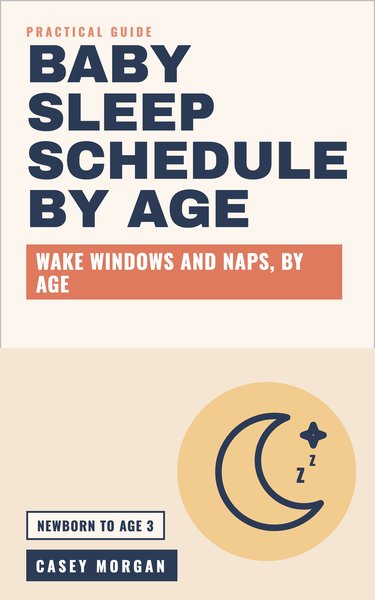
The companion book
Baby Sleep Schedule by Age
by Casey Morgan
Wake windows, nap schedules, and gentle fixes for night waking, from newborn to age three. Useful for lining up home naps with an infant room's schedule.
Written by
ChildCarePath Team
Our team is dedicated to helping families find quality child care options through well-researched guides and resources.
Related Guides
BabyBjörn Smart Potty vs Toilet Trainer Seat: Which for Potty Training? (2026)
A floor potty lets a toddler get on and off alone; a toilet seat insert skips the second transition. Compare independence, cleaning and what most daycares are set up for.
Bentgo Chill vs OmieBox: Cold Lunch or Hot Lunch for Daycare? (2026)
Bentgo Chill keeps a cold lunch cold with removable ice packs; OmieBox adds an insulated thermos well for hot food. Compare capacity, leak resistance and daycare practicality.
Brother P-touch CUBE Plus Review: Labelling Everything for Daycare (2026)
A Brother P-touch CUBE Plus PT-P710BT review for parents: Bluetooth label printing up to 24 mm, laminated TZe tapes that survive the dishwasher, running tape cost, and cheaper label options.
Hatch Baby Sound Machine Review: Routine Builder, Subscription Attached (2026)
A Hatch Baby sound machine and night light review: app-controlled routines, sleep guides, the Hatch+ subscription after three months, safe volume for infants, and simpler alternatives.
Hatch Rest vs Yogasleep Dohm: Which Sound Machine for a Nursery? (2026)
Hatch Rest adds a night light, app control and routines; the Dohm is a mechanical fan that never loops. Compare sound quality, features and safe volume for a nursery.
Munchkin Miracle 360 vs NUK Learner Cup: Which First Cup? (2026)
The Miracle 360 drinks like an open cup with no spout; the NUK Learner keeps a soft spout. Compare spill resistance, dental guidance and which one daycare will accept.