Arts and Creativity in Childcare: What to Expect 2026
Understanding arts programs at daycare. Creative activities, process vs product art, benefits of artistic expression, and evaluating quality arts programming.
Art and creative activities are fundamental to early childhood development. Quality childcare programs integrate arts throughout the day, supporting cognitive, emotional, and physical growth. Understanding what good arts programming looks like helps you evaluate childcare options.

Why Arts Matter in Early Childhood
Developmental Benefits
Cognitive growth:
- Problem-solving skills
- Creative thinking
- Cause and effect understanding
- Spatial awareness
- Color and shape recognition
Physical development:
- Fine motor skills
- Hand-eye coordination
- Grip strength
- Bilateral coordination
- Sensory integration
Emotional benefits:
- Self-expression outlet
- Emotional processing
- Confidence building
- Stress relief
- Pride in creation
Social development:
- Collaborative projects
- Sharing materials
- Respecting others' work
- Communication about art
- Cultural appreciation
As an Amazon Associate, we earn from qualifying purchases.
Recommended Educational Products
- Melissa and Doug Educational Toys - Hands-on toys aligned with child-led learning approaches
- Kids Art Supply Set - Creative materials for arts and self-expression
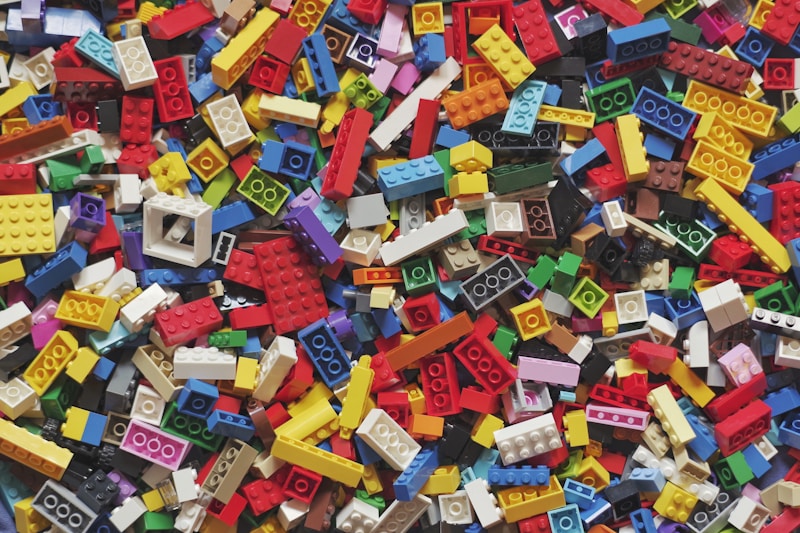
- LEGO Classic Large Creative Brick Box - Open-ended building set for ages 4 and up
Process Art vs Product Art
Process Art
Characteristics:
- Focus on the experience
- No predetermined outcome
- Child directs activity
- Exploration emphasized
- Each result unique
- About the doing, not result
Examples:
- Free painting
- Open-ended collage
- Clay exploration
- Finger painting
- Mixed media experimentation
Why it matters:
- Develops creativity
- Builds problem-solving
- Reduces perfectionism
- Encourages risk-taking
- Authentic expression
Product Art
Characteristics:
- Teacher-directed
- Specific expected result
- Step-by-step instructions
- Look-alike projects
- Crafts with templates
Examples:
- Handprint turkeys
- Traced projects
- Pre-cut crafts
- Following exact steps
- Cookie-cutter results
Concerns:
- Less creative thinking
- Can frustrate children
- Doesn't develop skills same way
- May cause comparison
- Limited self-expression
Quality Balance
Good programs:
- Mostly process art
- Some product art occasionally
- Developmentally appropriate
- Choice available
- Emphasis on exploration

Types of Art Activities
Visual Arts
Common activities:
- Painting (easel, finger, watercolor)
- Drawing (crayons, markers, chalk)
- Collage and mixed media
- Printmaking
- Sculpting (clay, playdough, dough)
- Cutting and gluing
Music and Movement
Activities include:
- Singing
- Dancing
- Playing instruments
- Movement games
- Rhythm activities
- Musical exploration
Dramatic Play
Creative expression through:
- Dress-up and pretend
- Puppet shows
- Story acting
- Role playing
- Imagination games
Construction and Building
Creative building:
- Block construction
- Building sets
- Loose parts play
- Found object creations
- Engineering challenges
What to Look For
In the Classroom
Positive signs:
- Art area accessible
- Variety of materials
- Open-ended supplies
- Child-level display
- Works look different
- Art integrated throughout
Red flags:
- Identical projects
- Only product art
- Limited materials
- Art only as scheduled activity
- Children seem directed
- No creativity visible
In the Schedule
Good programming:
- Daily art opportunities
- Extended time available
- Child can choose to participate
- Process emphasized
- Multiple mediums available
In the Philosophy
Ask about:
- How they approach art
- Process vs product emphasis
- Child choice in activities
- How art connects to learning
- Display of children's work
Age-Appropriate Art
Infants (0-12 months)
Sensory focus:
- Exploring textures
- Taste-safe materials
- High-contrast visuals
- Supervised sensory play
- Limited structured art
Toddlers (1-3 years)
Exploration stage:
- Large motor movements
- Simple tools
- Few steps
- Sensory exploration
- Process-focused
- Repetition important
Appropriate activities:
- Finger painting
- Large crayons
- Playdough
- Tearing paper
- Stamping
- Water painting
Preschoolers (3-5 years)
More complex:
- Greater fine motor control
- Multi-step projects possible
- More detail in work
- Beginning representation
- Tool proficiency growing
Appropriate activities:
- Scissors and gluing
- Detailed drawing
- Various painting techniques
- Collage creation
- Clay sculpting
- Multi-media projects
Supporting Art at Home
Extending Learning
After daycare:
- Ask about art activities
- Display work at home
- Focus on process, not product
- Avoid asking "what is it?"
- Describe what you see
Good questions:
- "Tell me about your artwork"
- "What did you enjoy most?"
- "How did you make this?"
- "What materials did you use?"
Home Art Space
Create opportunity:
- Accessible supplies
- Messy-okay area
- Simple materials
- Freedom to create
- Open-ended time
Evaluating Arts Programming
Quality Indicators
| Indicator | Quality Sign |
|---|---|
| Materials | Diverse, accessible |
| Approach | Process-focused |
| Child work | Unique, varied |
| Display | Child-level, respectful |
| Integration | Throughout day/curriculum |
| Choice | Children can opt in/out |
| Time | Adequate for exploration |
Questions to Ask
During tours:
- How do you approach art?
- Is art scheduled or available throughout?
- What materials do children have access to?
- How is art integrated into learning?
- Can children choose to participate?
- How is artwork displayed?
Common Art Concerns
Messy Art
Reality:
- Mess is part of learning
- Good programs manage it
- Smocks and cover-ups help
- Cleaning is learning too
If concerned:
- Ask about mess management
- Pack appropriate clothes
- Accept some mess
- Focus on benefits
Art Going Home
Expectations:
- Not everything comes home
- Focus on experience over product
- Some programs photograph
- Ask about their policy
Lack of Recognizable Art
Understanding:
- Process art may not "look like" anything
- Development takes time
- Representation comes later
- Value the experience
Key Takeaways
Arts matter:
- Supports all development
- Should be daily
- Process over product
- Integrated throughout day
What to look for:
- Variety of materials
- Open-ended activities
- Child-driven experiences
- Unique results
- Accessible art areas
Quality indicators:
- Process art emphasized
- Multiple art forms
- Child choice respected
- Developmentally appropriate
- Creativity valued
Support at home:
- Display work
- Ask open questions
- Provide materials
- Value the process
- Extend the learning
Quality arts programming nurtures creativity, supports development, and allows children to express themselves. Look for programs that emphasize process over product and provide rich artistic opportunities.
Related guides you may find helpful:
- Understanding Daycare Daily Schedules 2026
- Reading and Books at Daycare 2026
- Effective Communication with Childcare Provider...
- Mastering Daycare Drop-Off 2026
What every centre asks you to bring
Whatever else changes between programmes, the supply list barely does. These four turn up on nearly every one.

Wildkin Nap Mat with Pillow and Blanket
Mat, blanket and removable pillow in one roll, and it is machine washable, which is what decides whether a mat survives a year of daily use.
Check price on Amazon
Skip Hop Sparks Kid's Backpack
Sized for a preschooler rather than a school-age child, so it actually fits a classroom cubby.
Check price on Amazon
Yumbox Original Leakproof Bento Lunch Box
Leakproof compartments a small child can open unaided, which is the whole test for a daycare lunch.
Check price on Amazon
Name Bubbles Custom Name Labels (95 Labels)
Ninety-five waterproof labels in six sizes. Every centre requires everything named, and this covers a full year.
Check price on AmazonWritten by
ChildCarePath Team
Our team is dedicated to helping families find quality child care options through well-researched guides and resources.
Related Guides
BabyBjörn Smart Potty vs Toilet Trainer Seat: Which for Potty Training? (2026)
A floor potty lets a toddler get on and off alone; a toilet seat insert skips the second transition. Compare independence, cleaning and what most daycares are set up for.
Bentgo Chill vs OmieBox: Cold Lunch or Hot Lunch for Daycare? (2026)
Bentgo Chill keeps a cold lunch cold with removable ice packs; OmieBox adds an insulated thermos well for hot food. Compare capacity, leak resistance and daycare practicality.
Brother P-touch CUBE Plus Review: Labelling Everything for Daycare (2026)
A Brother P-touch CUBE Plus PT-P710BT review for parents: Bluetooth label printing up to 24 mm, laminated TZe tapes that survive the dishwasher, running tape cost, and cheaper label options.
Hatch Baby Sound Machine Review: Routine Builder, Subscription Attached (2026)
A Hatch Baby sound machine and night light review: app-controlled routines, sleep guides, the Hatch+ subscription after three months, safe volume for infants, and simpler alternatives.
Hatch Rest vs Yogasleep Dohm: Which Sound Machine for a Nursery? (2026)
Hatch Rest adds a night light, app control and routines; the Dohm is a mechanical fan that never loops. Compare sound quality, features and safe volume for a nursery.
Munchkin Miracle 360 vs NUK Learner Cup: Which First Cup? (2026)
The Miracle 360 drinks like an open cup with no spout; the NUK Learner keeps a soft spout. Compare spill resistance, dental guidance and which one daycare will accept.