Center-Based vs Home-Based Childcare 2026
Comparing daycare centers and home-based childcare. Key differences, pros and cons, and how to decide which is right for your family.
Choosing between center-based and home-based childcare is a significant decision. Understanding the differences helps you determine which setting best fits your family's needs.

Understanding the Options
Center-Based Care
What it is:
- Facility-based operation
- Multiple classrooms
- Multiple staff
- Larger groups
- Business structure
Home-Based Care
What it is:
- Care in provider's home
- Smaller groups
- One or few caregivers
- Mixed ages usually
- Home environment
As an Amazon Associate, we earn from qualifying purchases.
Recommended Childcare Products
- Daycare Labels Pack - Waterproof labels for all your childs daycare supplies
- Diaper Bag Backpack - Spacious, organized backpack for daycare essentials
- Mr. Pen Diaper Caddy Organizer - Keep supplies organized at home and on the go
Key Differences
Group Size
Centers:
- Larger groups per room
- Age-separated classrooms
- More children overall
- Regulated ratios
Home care:
- Smaller groups (typically 6-12)
- Mixed ages usually
- More individualized
- Lower numbers overall
Environment
Centers:
- Classroom setting
- School-like atmosphere
- Purpose-built spaces
- Multiple rooms
- Outdoor area
Home care:
- Home environment
- Home-like atmosphere
- Residential setting
- Smaller scale
- Backyard often
Staff Structure
Centers:
- Multiple staff
- Specialized roles
- Backup coverage
- Director oversight
- Team approach
Home care:
- Usually 1-2 caregivers
- One relationship primary
- May have assistant
- More personal
- Sole provider often
Pros and Cons
Center Pros
Benefits:
- Reliable coverage (staff backup)
- Structured curriculum
- Multiple children to play with
- Regulated and licensed
- Resources and facilities
- Socialization
Center Cons
Challenges:
- Less flexibility
- Larger groups
- Higher illness exposure
- Less individual attention
- May feel institutional
- Fixed schedule
Home Care Pros
Benefits:
- Smaller groups
- Home-like setting
- More flexibility often
- Mixed-age interaction
- Individualized attention
- Personal relationship
Home Care Cons
Challenges:
- Backup if provider sick
- Less regulated sometimes
- Single caregiver reliance
- Fewer resources possibly
- Less structure sometimes
- Smaller peer group
Comparison Chart
| Factor | Center | Home Care |
|---|---|---|
| Group size | Larger | Smaller |
| Environment | Institutional | Home-like |
| Structure | More formal | More flexible |
| Socialization | More peers | Mixed ages |
| Backup | Staff coverage | May be limited |
| Regulation | More regulated | Varies |
| Cost | Varies | Often lower |
Considerations for Decision
Your Child's Needs
Consider:
- Temperament (thrives in groups or needs intimacy?)
- Age (infants may prefer smaller setting)
- Personality
- Social needs
- Learning style
Your Family's Needs
Think about:
- Schedule flexibility needed
- Backup care concerns
- Location preferences
- Budget
- Values and priorities
Quality Factors
In both settings:
- Quality varies widely
- Individual evaluation needed
- Visit and observe
- References important
- Licensing matters
Age Considerations
Infants
May prefer home care:
- Smaller groups
- More individual attention
- Quieter environment
- Consistent caregiver
- Home-like setting
Or center if:
- Quality infant room
- Low ratios
- Backup coverage needed
- Structure preferred
Toddlers
Either can work:
- Growing social needs
- Still need attention
- Depends on child
- Quality most important
Preschoolers
Often prefer centers:
- More socialization
- School preparation
- Structured learning
- Peer group
- Resources
Home still works if:
- Preschool curriculum offered
- Social opportunities provided
- Quality program
Mixed Approaches
Combination Care
Some families use:
- Home care for infants
- Center for preschool
- Transition between
- Different for different children
What's Possible
Options:
- Start one, switch later
- Different settings for different ages
- Evaluate and adjust
- Flexibility
Evaluating Quality
In Both Settings
Look for:
- Responsive caregiving
- Appropriate ratios
- Safe environment
- Learning opportunities
- Good communication
Center-Specific
Evaluate:
- Curriculum
- Staff qualifications
- Accreditation
- Facilities
- Resources
Home Care-Specific
Evaluate:
- Provider qualifications
- Home environment
- Backup plan
- References
- Licensing
Key Takeaways
Both can be excellent:
- Quality varies in both
- Neither inherently better
- Individual evaluation needed
- Depends on your child
- Depends on your needs
Consider:
- Child's temperament
- Family needs
- Quality of specific program
- Your gut feeling
- Practical factors
Don't assume:
- One is better than other
- All centers are same
- All home care is same
- Price indicates quality
- Size determines quality
Evaluate individually:
- Visit programs
- Observe carefully
- Ask questions
- Check references
- Trust your judgment
The best childcare for your family depends on your specific child, your needs, and the quality of individual programs—not the type of setting.
Related guides you may find helpful:
- Childcare Insurance and Liability: What Parents...
- Childcare Referral Bonuses 2026
- Childcare After Divorce: Co-Parenting and Custo...
- Keeping Childcare Records and Documentation 2026
What every centre asks you to bring
Whatever else changes between programmes, the supply list barely does. These four turn up on nearly every one.

Wildkin Nap Mat with Pillow and Blanket
Mat, blanket and removable pillow in one roll, and it is machine washable, which is what decides whether a mat survives a year of daily use.
Check price on Amazon
Skip Hop Sparks Kid's Backpack
Sized for a preschooler rather than a school-age child, so it actually fits a classroom cubby.
Check price on Amazon
Yumbox Original Leakproof Bento Lunch Box
Leakproof compartments a small child can open unaided, which is the whole test for a daycare lunch.
Check price on Amazon
Name Bubbles Custom Name Labels (95 Labels)
Ninety-five waterproof labels in six sizes. Every centre requires everything named, and this covers a full year.
Check price on Amazon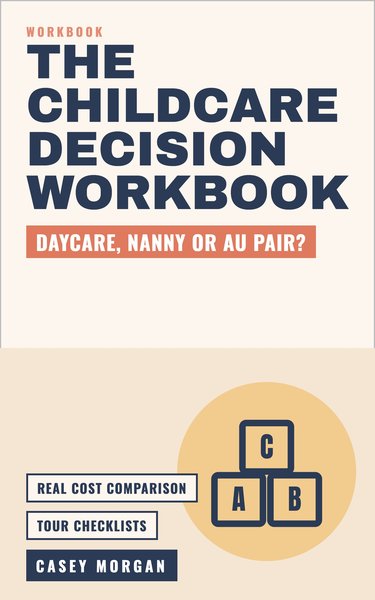
The companion book
The Childcare Decision Workbook
by Casey Morgan
Compare daycare, nanny, nanny share, au pair, and family care by cost and fit, with tour checklists, interview questions, tax worksheets, and a budget planner. A fill-in workbook, so it is printed paperback only.
Written by
ChildCarePath Team
Our team is dedicated to helping families find quality child care options through well-researched guides and resources.
Related Guides
Best Age to Start Daycare: When Is the Right Time? 2026
Deciding when to start childcare. Pros and cons of different ages, developmental considerations, family factors, and finding the right timing for your child.
Bilingual & Language Immersion Childcare: Complete Guide 2026
Finding bilingual daycare and language immersion preschools. Benefits of early language learning, program types, what to look for, and raising multilingual children.
Daycare for Very Active Children 2026
Finding appropriate childcare for high-energy children. Movement needs, preventing behavior labels, and programs that support active learners.
Childcare After Divorce: Co-Parenting and Custody Guide 2026
Managing childcare logistics after separation or divorce. Co-parenting coordination, custody schedules, communicating with providers, and putting children first.
Backup Childcare Options 2026
Planning for childcare emergencies. When regular care isn't available, backup options, and building a reliable support network.
Bilingual Children in Childcare 2026
Supporting dual-language learners at daycare. How childcare can help bilingual development and what parents of bilingual children should know.