Reggio Emilia Approach: Guide to Reggio-Inspired Childcare 2026
Understanding the Reggio Emilia approach to early childhood education. Philosophy, environment, project-based learning, finding programs, and comparing to other methods.
The Reggio Emilia approach to early childhood education originated in Italy after World War II and has since influenced programs worldwide. Known for its emphasis on the child as a capable, curious learner and its stunning learning environments, Reggio-inspired education offers a distinctive vision of what early childhood can be.
This guide explains the Reggio Emilia philosophy, helps you identify quality Reggio-inspired programs, and explores whether this approach might be right for your family.
What Is the Reggio Emilia Approach?
Origins and Philosophy
History:
- Developed in Reggio Emilia, Italy after WWII
- Founded by educator Loris Malaguzzi
- Community-built schools from rubble
- Philosophy of hope and capability
- Grew into international influence
Core beliefs:
- Children are capable, curious, and full of potential
- Children have "100 languages" of expression
- Learning is collaborative (children, teachers, parents)
- Environment is the "third teacher"
- Documentation makes learning visible
The Image of the Child
Central to Reggio:
- Children are competent researchers
- Each child is unique and valued
- Children construct their own learning
- Curiosity is natural and should be nurtured
- Children have rights to be heard and respected
This differs from:
- Viewing children as empty vessels to fill
- Focusing on deficits or what children can't do
- Adult-directed, prescribed curriculum
- One-size-fits-all approaches
The Hundred Languages
Malaguzzi's poem concept:
- Children express understanding in many ways
- Beyond just words and numbers
- Art, music, movement, building, play
- All forms of expression are valued
- School shouldn't reduce to fewer languages
In practice:
- Multiple materials for expression
- Art as a language for thinking
- Documentation of all expression forms
- Valuing diverse ways of showing understanding
Key Elements of Reggio
The Environment as Third Teacher
What this means:
- Space communicates values
- Environment invites exploration
- Beauty and aesthetics matter
- Materials provoke curiosity
- Organization enables independence
Characteristics:
- Natural light and materials
- Open, flexible spaces
- Mirrors and light exploration
- Plants and natural elements
- Child-height everything
- Intentional, beautiful displays
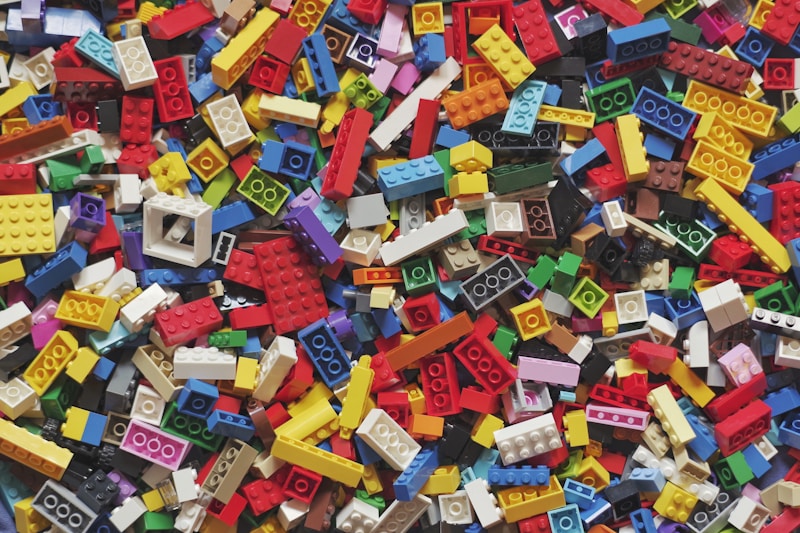
- Loose parts and open-ended materials
You'll see:
- Light tables and projectors
- Natural materials (shells, pinecones, wood)
- Documentation on walls
- Atelier (art studio)
- Piazza (gathering space)
- Mirrors throughout
Project-Based Learning
How it works:
- Learning emerges from children's interests
- Extended investigations (progettazione)
- Projects can last days, weeks, or months
- Teachers and children explore together
- No predetermined outcomes
Example project:
- Children notice birds outside
- Teacher follows their curiosity
- Investigation might include:
- Observing birds
- Drawing and painting birds
- Learning about bird habitats
- Building nests
- Listening to bird songs
- Project evolves based on children's questions
Teacher's role:
- Listen for children's interests
- Provoke deeper thinking with questions
- Provide resources and materials
- Document the learning journey
- Guide without directing
Documentation
What it is:
- Making learning visible
- Photographs, transcripts, artwork
- Displays throughout school
- Portfolios of children's work
- Narrative of the learning process
Purposes:
- Helps children reflect on learning
- Communicates with families
- Informs teacher planning
- Creates school memory
- Values children's thinking
What you'll see:
- Panels on walls showing projects
- Children's words transcribed
- Photos of learning in process
- Questions posed by children
- Evolution of ideas over time
The Role of Art (Atelier)
The Atelier:
- Dedicated art studio space
- Central to the program
- Led by Atelierista (art specialist)
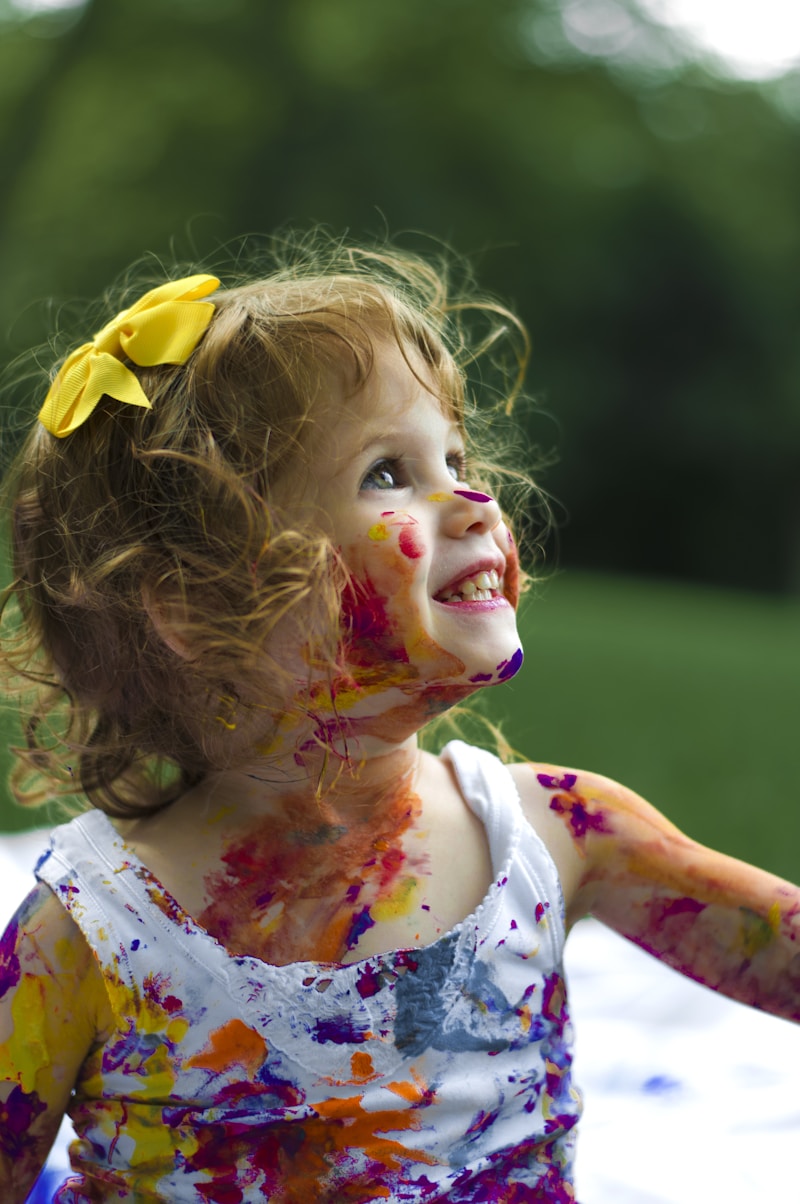
- Art as language for thinking
- High-quality materials
Art in Reggio:
- Not just craft projects
- Means of investigation
- Multiple media offered
- Process over product
- Connected to project work
- Valued as serious work
Collaboration and Community
Between children:
- Small group work emphasized
- Collaborative problem-solving
- Learning from each other
- Social construction of knowledge
- Conflict as learning opportunity
Between teachers:
- Team teaching model
- Joint planning and reflection
- Collaborative decision-making
- Ongoing professional development
- No hierarchy among teachers
With families:
- Parents as partners
- Active participation expected
- Regular communication
- Family involvement in projects
- Community connection
Reggio vs. Other Approaches
Reggio vs. Montessori
| Aspect | Reggio Emilia | Montessori |
|---|---|---|
| Materials | Open-ended, varied | Specific, self-correcting |
| Teacher role | Co-learner, researcher | Guide, observer |
| Curriculum | Emergent from interests | Structured progression |
| Work | Often collaborative | Usually individual |
| Art | Central, integrated | Separate activity |
| Assessment | Documentation | Observation |
Reggio vs. Play-Based
Similarities:
- Both value play
- Child-directed learning
- Exploration encouraged
- Hands-on experiences
Differences:
- Reggio: More intentional environment design
- Reggio: Documentation practice
- Reggio: Project-based investigations
- Reggio: Specific aesthetic emphasis
- Reggio: Atelierista role
Reggio vs. Traditional
| Reggio | Traditional |
|---|---|
| Emergent curriculum | Pre-set curriculum |
| Child's questions drive learning | Teacher determines topics |
| Multiple forms of expression | Focus on language/math |
| Documentation | Tests and grades |
| Environment as teacher | Environment as backdrop |
| Collaborative learning | Individual achievement |
Finding Reggio-Inspired Programs
Why "Inspired"?
Important distinction:
- True Reggio exists only in Reggio Emilia, Italy
- Other programs are "Reggio-inspired"
- Quality varies significantly
- No official certification
- Approach adapted to context
What to Look For
Environment:
- Beautiful, intentional spaces
- Natural light and materials
- Child-accessible materials
- Documentation displayed
- Atelier or art space
- Inviting, not cluttered
Practice:
- Emergent, project-based learning
- Extended investigations visible
- Children's words and ideas honored
- Collaboration evident
- Art integrated throughout
- Parent involvement emphasized
Philosophy:
- Teachers speak of children as capable
- Learning described as journey
- Questions valued over answers
- Creativity emphasized
- Community focus
Questions to Ask
About philosophy:
- How would you describe your image of the child?
- How does curriculum emerge here?
- What does documentation look like?
- How do you involve families?
About practice:
- Can you describe a recent project?
- How long do projects last?
- What's the role of art in your program?
- How do children work together?
About environment:
- Why is the space designed this way?
- What materials are available to children?
- How do you use documentation?
Red Flags
Not truly Reggio-inspired if:
- Pre-planned, fixed curriculum
- Worksheets and coloring pages
- Teacher-directed activities mostly
- No documentation present
- Environment not intentional
- "Reggio" used as marketing only

Is Reggio Right for Your Family?
Good Fit If You Value
Philosophy:
- Seeing children as capable
- Learning through exploration
- Multiple ways of expressing
- Process over product
- Creativity and art
- Community and collaboration
Approach:
- Following children's interests
- Less structured curriculum
- Open-ended experiences
- Beautiful environments
- Parent partnership
- Documentation of learning
Might Not Be Right If
You prefer:
- Structured, predictable curriculum
- Clear academic progression
- Measurable outcomes
- Teacher-directed learning
- Less parent involvement expected
- Traditional readiness approach
Questions for Yourself
- How important is creative expression?
- Am I comfortable with emergent curriculum?
- Can I participate as parent partner?
- Does the philosophy resonate with me?
- Is there a quality program near me?
What Children Learn
Academic Skills (Differently)
Literacy:
- Reading emerges from interest
- Writing for meaningful purposes
- Stories and documentation
- Rich oral language
Math:
- Through real investigations
- Building and constructing
- Patterns in nature
- Measuring for projects
Science:
- Investigation and observation
- Questions and hypotheses
- Nature exploration
- Experimentation
Beyond Academics
Also developed:
- Creativity and imagination
- Problem-solving skills
- Collaboration abilities
- Self-expression confidence
- Curiosity and wonder
- Communication skills
Practical Considerations
Availability
Finding programs:
- Growing but still limited
- More common in some areas
- Often in progressive schools
- Some Montessori schools incorporate elements
- May be private/tuition-based
Cost
Generally:
- Often comparable to quality private preschools
- May be higher due to materials, ratios
- Atelier and environment investments
- Worth investigating specific programs
Parent Involvement
Expect:
- Active participation encouraged
- Communication and partnership
- Possible project involvement
- School community participation
- Ongoing dialogue
Transition to Other Schools
Children typically:
- Are creative thinkers
- Collaborate well
- Have strong communication skills
- May adjust to more structure
- Usually adapt successfully
Key Takeaways
Understand the philosophy:
- Children are capable and curious
- Many "languages" of expression
- Environment matters deeply
- Learning emerges from interests
- Documentation makes thinking visible
Look for quality indicators:
- Intentional, beautiful environment
- Project-based learning evident
- Documentation displayed
- Art central to program
- Collaborative approach
Consider fit:
- Philosophy alignment
- Approach to learning
- Parent involvement expectations
- Practical availability
- Your values and preferences
Remember:
- "Reggio-inspired" quality varies
- Ask thoughtful questions
- Observe the program in action
- Trust your instincts
- Philosophy matters as much as label
The Reggio Emilia approach offers a beautiful vision of early childhood education that sees children as capable, curious, and creative. For families whose values align with this philosophy, a quality Reggio-inspired program can be a wonderful choice for their child's early learning journey.
Related guides you may find helpful:
- Child Care Resource and Referral Agencies 2026
- Parent Cooperative Childcare 2026
- Community Resources for Finding Childcare 2026
- Preschool Readiness: Is Your Child Ready? 2026
What every centre asks you to bring
Whatever else changes between programmes, the supply list barely does. These four turn up on nearly every one.

Wildkin Nap Mat with Pillow and Blanket
Mat, blanket and removable pillow in one roll, and it is machine washable, which is what decides whether a mat survives a year of daily use.
Check price on Amazon
Skip Hop Sparks Kid's Backpack
Sized for a preschooler rather than a school-age child, so it actually fits a classroom cubby.
Check price on Amazon
Yumbox Original Leakproof Bento Lunch Box
Leakproof compartments a small child can open unaided, which is the whole test for a daycare lunch.
Check price on Amazon
Name Bubbles Custom Name Labels (95 Labels)
Ninety-five waterproof labels in six sizes. Every centre requires everything named, and this covers a full year.
Check price on AmazonWritten by
ChildCarePath Team
Our team is dedicated to helping families find quality child care options through well-researched guides and resources.
Related Guides
Best Age to Start Daycare: When Is the Right Time? 2026
Deciding when to start childcare. Pros and cons of different ages, developmental considerations, family factors, and finding the right timing for your child.
Bilingual & Language Immersion Childcare: Complete Guide 2026
Finding bilingual daycare and language immersion preschools. Benefits of early language learning, program types, what to look for, and raising multilingual children.
Daycare for Very Active Children 2026
Finding appropriate childcare for high-energy children. Movement needs, preventing behavior labels, and programs that support active learners.
Childcare After Divorce: Co-Parenting and Custody Guide 2026
Managing childcare logistics after separation or divorce. Co-parenting coordination, custody schedules, communicating with providers, and putting children first.
Backup Childcare Options 2026
Planning for childcare emergencies. When regular care isn't available, backup options, and building a reliable support network.
Bilingual Children in Childcare 2026
Supporting dual-language learners at daycare. How childcare can help bilingual development and what parents of bilingual children should know.