Supporting Shy Children in Daycare 2026
Helping shy or introverted children thrive in childcare. Building confidence, working with teachers, and understanding temperament.
Shy or introverted children may need extra support in group childcare settings. Understanding their needs and working with programs helps these children thrive.

Understanding Shy Children
Shyness vs. Introversion
Differences:
- Shyness: Discomfort in social situations
- Introversion: Energy from alone time
- Can be both
- Both are valid
- Neither is wrong
Temperament
Shy children may:
- Warm up slowly
- Prefer familiar settings
- Observe before joining
- Need processing time
- Value small groups
Strengths
Often possess:
- Deep observation
- Thoughtfulness
- Strong focus
- Empathy
- Careful consideration
Childcare Challenges
Group Settings
May struggle with:
- Large groups
- Loud environments
- New situations
- Speaking up
- Quick transitions
Social Expectations
Challenges include:
- Group participation
- Initiating with peers
- Circle time participation
- New activities
- Meeting new people
Overstimulation
May experience:
- Sensory overload
- Emotional exhaustion
- Need for quiet
- Withdrawal
- Overwhelm
Finding the Right Program
Program Size
Consider:
- Smaller groups
- Lower ratios
- Intimate settings
- Quieter environments
- Manageable stimulation
Program Philosophy
Look for:
- Respect for individual differences
- Understanding of temperament
- No forcing participation
- Gradual approach
- Child-led options
Environment
Helpful features:
- Quiet spaces
- Cozy corners
- Solitary activity options
- Calm areas
- Reduced stimulation options
Questions to Ask
About Approach
Inquire:
- How do you support shy children?
- What if a child doesn't want to participate?
- How are quiet children included?
- Experience with shy children?
- Philosophy on temperament?
About Environment
Ask about:
- Quiet spaces available?
- Small group options?
- Noise levels?
- Calm activities?
- Alone time allowed?
About Transitions
Understand:
- Adjustment approach
- Gradual entry options
- Parent involvement
- Transition support
- Timeline flexibility
Supporting Your Child
Before Starting
Prepare by:
- Visiting program
- Meeting teachers
- Reading books about daycare
- Practicing separation
- Building familiarity
During Adjustment
Help by:
- Allowing extra time
- Staying positive
- Consistent routine
- Patience
- Trust building
Ongoing Support
Continue to:
- Check in regularly
- Celebrate small victories
- Respect their pace
- Provide home recharge
- Communicate with teachers
Working with Teachers
Sharing Information
Tell teachers:
- About your child's temperament
- What helps at home
- Signs of overwhelm
- Interests and comforts
- Communication style
Collaborative Strategies
Work together on:
- Gradual participation
- Small group options
- Quiet space access
- Transition support
- Progress monitoring
Communication
Maintain:
- Regular check-ins
- Progress updates
- Strategy sharing
- Concern discussion
- Positive partnership
Effective Strategies
Gradual Exposure
Approach:
- Small steps
- Building comfort
- Not forcing
- Celebrating progress
- Patient pace
Choice Offering
Helpful to:
- Give options
- Allow observation time
- Respect decisions
- Build confidence
- Honor preferences
Small Group Options
Provide:
- Smaller activities
- Quiet time
- One-on-one
- Partner work
- Less overwhelming
Safe Spaces
Create:
- Quiet corners
- Alone options
- Recharge spots
- Calm activities
- Retreat options
Building Confidence
Celebrate Strengths
Recognize:
- Observational skills
- Thoughtfulness
- Careful work
- Deep focus
- Kindness
Small Victories
Acknowledge:
- Every attempt
- Gradual progress
- Brave moments
- Small steps
- Effort made
Avoid Labeling
Don't:
- Call them "shy" in front of them
- Apologize for them
- Force participation
- Compare to others
- Show disappointment
When Shyness Is Extreme
Signs to Watch
Concern if:
- Complete withdrawal
- Significant distress
- No progress over time
- Impacting function
- Anxiety symptoms
Getting Support
Consider:
- Pediatrician consultation
- Anxiety evaluation
- Play therapy
- Professional support
- Early intervention
Understanding Anxiety
Difference:
- Shyness is temperament
- Anxiety is clinical
- Both need support
- Different interventions
- Professional guidance helpful
Program Red Flags
Concerning Approaches
Be worried if:
- Forcing participation
- Punishing withdrawal
- Embarrassing children
- Lack of understanding
- Rigid expectations
What to Do
If concerns arise:
- Discuss with staff
- Request changes
- Advocate for child
- Consider fit
- Seek alternatives
Age Considerations
Infants and Toddlers
Support by:
- Consistent caregivers
- Gentle transitions
- Predictable routines
- Extra comfort
- Patience
Preschoolers
Help through:
- Social skill teaching
- Friendship facilitation
- Group activity scaffolding
- Confidence building
- Positive experiences
Key Takeaways
Understand your child:
- Shyness is temperament
- Not a flaw
- Has strengths
- Needs support
- Can thrive
Choose programs that:
- Respect differences
- Offer flexibility
- Have quiet spaces
- Understand temperament
- Don't force
Work with teachers:
- Share information
- Collaborate on strategies
- Regular communication
- Monitor progress
- Advocate appropriately
Support at home:
- Build confidence
- Celebrate strengths
- Prepare for transitions
- Provide recharge time
- Avoid labeling
Know when to seek help:
- Extreme withdrawal
- Anxiety symptoms
- No progress
- Significant distress
- Professional guidance needed
With understanding and support, shy children can develop comfort and confidence in childcare settings while honoring their natural temperament.
Related guides you may find helpful:
- Childcare Waitlist Strategies 2026
- Montessori Daycare: Complete Guide to Montessor...
- Moving with a Child in Daycare: Transition Guid...
- Finding a Quality Babysitter: Complete Hiring G...
What every centre asks you to bring
Whatever else changes between programmes, the supply list barely does. These four turn up on nearly every one.

Makemake Organics Organic Cotton Nap Mat
GOTS-certified with a removable, machine-washable cover, which is what decides whether a mat survives a year of daily use.
Check price on Amazon
Skip Hop Sparks Kid's Backpack
Sized for a preschooler rather than a school-age child, so it actually fits a classroom cubby.
Check price on Amazon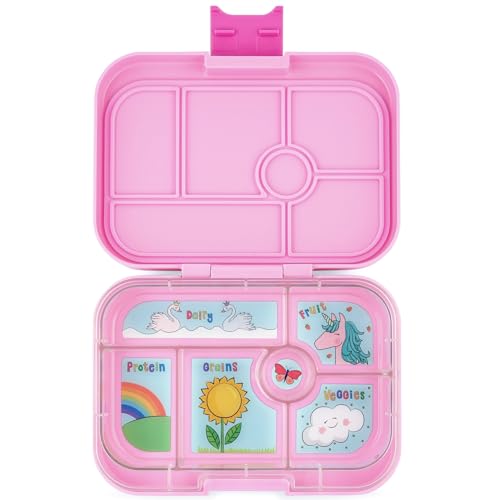
Yumbox Original Leakproof Bento Lunch Box
Leakproof compartments a small child can open unaided, which is the whole test for a daycare lunch.
Check price on Amazon
Name Bubbles Custom Name Labels (95 Labels)
Ninety-five waterproof labels in six sizes. Every centre requires everything named, and this covers a full year.
Check price on AmazonFree Life Insurance Quote
Free Life Insurance Quote for Parents
Childcare is one of the biggest line items in a young family's budget. Life insurance is how many parents make sure that care, and the rest of daily life, can keep going for their kids no matter what. Enter your details to start a free quote.
Ultimate Childcare Library
All 46 guides and toolkits. One price. Lifetime access and updates.
Written by
ChildCarePath Team
Our team is dedicated to helping families find quality child care options through well-researched guides and resources.
Related Guides
Best Age to Start Daycare: When Is the Right Time? 2026
Deciding when to start childcare. Pros and cons of different ages, developmental considerations, family factors, and finding the right timing for your child.
Bilingual & Language Immersion Childcare: Complete Guide 2026
Finding bilingual daycare and language immersion preschools. Benefits of early language learning, program types, what to look for, and raising multilingual children.
Daycare for Very Active Children 2026
Finding appropriate childcare for high-energy children. Movement needs, preventing behavior labels, and programs that support active learners.
Childcare After Divorce: Co-Parenting and Custody Guide 2026
Managing childcare logistics after separation or divorce. Co-parenting coordination, custody schedules, communicating with providers, and putting children first.
Backup Childcare Options 2026
Planning for childcare emergencies. When regular care isn't available, backup options, and building a reliable support network.
Bilingual Children in Childcare 2026
Supporting dual-language learners at daycare. How childcare can help bilingual development and what parents of bilingual children should know.