Childcare Benefits for Only Children 2026
How daycare benefits only children. Socialization, peer interaction, and why group care can be especially valuable for children without siblings.
Only children can especially benefit from childcare's social environment. Understanding these advantages helps you make informed decisions about your child's care.

Why Group Care Benefits Only Children
Peer Socialization
Childcare provides:
- Daily peer interaction
- Social skill practice
- Friendship building
- Shared experiences
- Group dynamics
Sibling-Like Experiences
Children learn:
- Sharing
- Taking turns
- Conflict resolution
- Cooperation
- Negotiation
Preparation for School
Benefits include:
- Group settings practice
- Following rules with peers
- Classroom experience
- Social navigation
- Transition readiness
Social Skills Development
Learning to Share
Practice opportunities:
- Toys and materials
- Teacher attention
- Space
- Experiences
- Turn-taking
Conflict Resolution
Skills developed:
- Problem-solving with peers
- Expressing needs
- Listening to others
- Finding solutions
- Managing disagreements
Cooperation
Group activities teach:
- Working together
- Team participation
- Collaborative play
- Group projects
- Shared goals
Communication
With peers, children learn:
- Expressing ideas
- Listening to others
- Back-and-forth conversation
- Non-verbal communication
- Social language
Choosing the Right Program
Program Size
Consider:
- Smaller groups for adjustment
- Variety of peers
- Manageable social environment
- Age-appropriate groupings
- Growth opportunities
Mixed Ages vs. Same Age
Both offer benefits:
- Same age: Similar development
- Mixed age: Different interactions
- Older children as models
- Younger children to nurture
- Variety of experiences
Questions to Ask
Inquire about:
- Group sizes
- How social skills are taught
- Peer interaction opportunities
- Conflict resolution approach
- Friendship facilitation
Supporting Social Development
At Home
You can:
- Schedule play dates
- Join parent groups
- Visit playgrounds
- Take classes together
- Provide social opportunities
Between Home and Care
Coordinate:
- Social skill focus areas
- Strategies that work
- Challenges to address
- Progress being made
- Consistent approaches
Building Confidence
Help your child:
- Practice social skills
- Role-play scenarios
- Discuss friendships
- Celebrate connections
- Navigate challenges
Common Considerations
Adjustment Period
Only children may:
- Need more transition time
- Be unused to sharing attention
- Find noise overwhelming
- Need support with sharing
- Benefit from extra patience
Adult Attention
Expectations differ:
- Used to adult focus
- May seek teacher attention
- Learning to share focus
- Adjusting to ratios
- Building independence
Play Style
May need to learn:
- Interactive play
- Cooperative games
- Group dynamics
- Peer negotiation
- Shared experiences
Age-Specific Considerations
Infants and Toddlers
Early exposure:
- Comfortable with peers
- Early social learning
- Foundational skills
- Attachment with caregivers
- Gentle introduction
Preschoolers
Social prime time:
- Peak social learning
- Friendship development
- Complex play
- Group activities
- School preparation
School-Age
Continued benefits:
- Extended peer time
- Different social mix
- After-school connections
- Activity-based friendships
- Community building
Dispelling Myths
Only Children Aren't Spoiled
Research shows:
- No difference in generosity
- Learn to share with peers
- Develop social skills
- Can be very giving
- Stereotypes not accurate
They Can Share
With practice:
- Sharing is learned
- Childcare provides practice
- Skill develops over time
- Most children learn
- Environment matters
Social Skills Develop
Through exposure:
- Regular peer interaction
- Guided learning
- Practice opportunities
- Skill building
- Normal development
Working with Teachers
Communication
Share with teachers:
- That child is only child
- Home social experiences
- Any concerns
- What you're working on
- Goals for social growth
Observations
Ask teachers about:
- Friendship patterns
- Social behaviors
- Interaction quality
- Areas of growth
- Suggestions
Partnership
Work together on:
- Social skill development
- Consistent approaches
- Supporting friendships
- Addressing challenges
- Celebrating progress
Beyond Childcare
Supplemental Activities
Consider:
- Classes and lessons
- Sports or activities
- Play groups
- Neighborhood connections
- Community involvement
Family Connections
Relatives can provide:
- Cousin relationships
- Family gatherings
- Extended family time
- Different perspectives
- Various relationships
Long-Term Perspective
Remember:
- Social skills develop over time
- Many paths to socialization
- Quality over quantity
- Individual differences matter
- Your child will thrive
Key Takeaways
Childcare benefits:
- Peer socialization daily
- Sharing and cooperation practice
- Sibling-like experiences
- School preparation
- Social skill development
Choose programs that:
- Offer appropriate group sizes
- Focus on social skills
- Facilitate friendships
- Manage conflicts well
- Communicate with parents
Support at home:
- Additional social opportunities
- Practice and role-play
- Coordination with childcare
- Building confidence
- Celebrating connections
Dispel concerns:
- Only children thrive
- Social skills are learned
- Myths aren't accurate
- Individual differences matter
- Trust the process
Partner with teachers:
- Open communication
- Shared observations
- Consistent approaches
- Collaborative support
- Ongoing dialogue
Only children can especially benefit from childcare's social environment, gaining valuable peer interaction and skills they might not get at home.
Related guides you may find helpful:
- Childcare Insurance Considerations 2026
- Summer Childcare Programs: Complete Guide 2026
- Childcare After Divorce: Co-Parenting and Custo...
- Choosing the Right Childcare Fit 2026
What every centre asks you to bring
Whatever else changes between programmes, the supply list barely does. These four turn up on nearly every one.

Makemake Organics Organic Cotton Nap Mat
GOTS-certified with a removable, machine-washable cover, which is what decides whether a mat survives a year of daily use.
Check price on Amazon
Skip Hop Sparks Kid's Backpack
Sized for a preschooler rather than a school-age child, so it actually fits a classroom cubby.
Check price on Amazon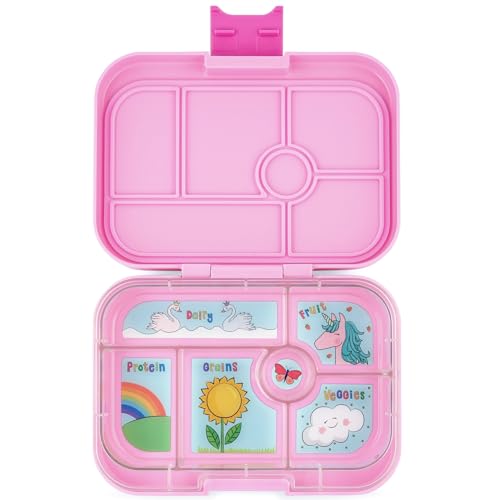
Yumbox Original Leakproof Bento Lunch Box
Leakproof compartments a small child can open unaided, which is the whole test for a daycare lunch.
Check price on Amazon
Name Bubbles Custom Name Labels (95 Labels)
Ninety-five waterproof labels in six sizes. Every centre requires everything named, and this covers a full year.
Check price on AmazonFree Life Insurance Quote
Free Life Insurance Quote for Parents
Childcare is one of the biggest line items in a young family's budget. Life insurance is how many parents make sure that care, and the rest of daily life, can keep going for their kids no matter what. Enter your details to start a free quote.
Ultimate Childcare Library
All 46 guides and toolkits. One price. Lifetime access and updates.
Written by
ChildCarePath Team
Our team is dedicated to helping families find quality child care options through well-researched guides and resources.
Related Guides
Best Age to Start Daycare: When Is the Right Time? 2026
Deciding when to start childcare. Pros and cons of different ages, developmental considerations, family factors, and finding the right timing for your child.
Bilingual & Language Immersion Childcare: Complete Guide 2026
Finding bilingual daycare and language immersion preschools. Benefits of early language learning, program types, what to look for, and raising multilingual children.
Daycare for Very Active Children 2026
Finding appropriate childcare for high-energy children. Movement needs, preventing behavior labels, and programs that support active learners.
Childcare After Divorce: Co-Parenting and Custody Guide 2026
Managing childcare logistics after separation or divorce. Co-parenting coordination, custody schedules, communicating with providers, and putting children first.
Backup Childcare Options 2026
Planning for childcare emergencies. When regular care isn't available, backup options, and building a reliable support network.
Bilingual Children in Childcare 2026
Supporting dual-language learners at daycare. How childcare can help bilingual development and what parents of bilingual children should know.